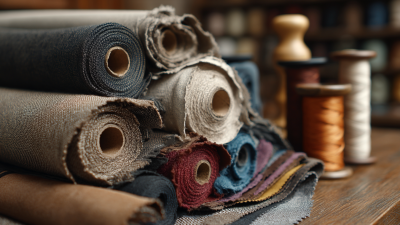
2025 Top Trends in Furniture Upholstery Fabric You Must Know
As we approach 2025, the world of furniture upholstery fabric is evolving at a remarkable pace, reflecting shifts in consumer preferences, technological advancements, and sustainability efforts. According to industry expert Lisa Harrington, a renowned textile designer, "The future of furniture upholstery fabric lies in the perfect blend of innovation and sustainability, where aesthetics meet environmental responsibility." These insights not only highlight the pressing trends that will shape the industry but also underline the importance of being aware of emerging choices that can enhance both comfort and style.
In this transformative landscape, key trends include a surge in eco-friendly materials, the rise of bold patterns and colors, and the continued integration of smart fabrics. Understanding these changes is essential for both consumers and designers as they navigate through an array of options in furniture upholstery fabric. By staying informed about these developments, we can make more conscious decisions that align with our values and lifestyle preferences, ensuring that our living spaces are not only beautiful but also reflective of responsible choices.
As we delve into the top trends of 2025, we invite you to explore how these innovations in furniture upholstery fabric will redefine our environments and contribute to a brighter, more sustainable future.
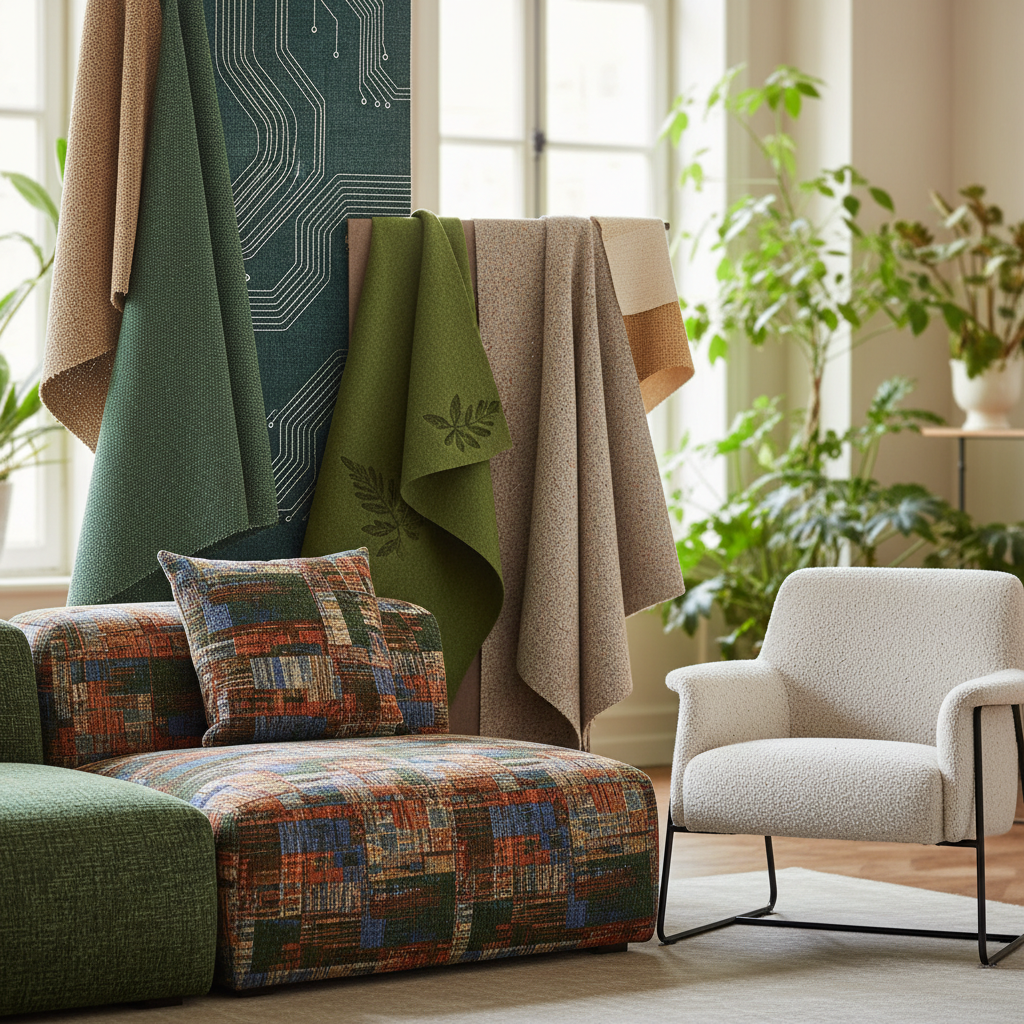
Top Eco-Friendly Fabrics Influencing 2025 Upholstery Trends
As we move into 2025, eco-friendly fabrics are set to play a pivotal role in the furniture upholstery industry. Reports indicate that the sustainable textiles market is projected to reach $150 billion by 2025, driven by consumers' increasing demand for environmental consciousness. Brands are now innovating with materials such as organic cotton, recycled polyester, and hemp, which not only reduce environmental impact but also offer durability and aesthetic appeal.
Tips for choosing eco-friendly upholstery fabric include looking for certifications like Global Organic Textile Standard (GOTS) and OEKO-TEX, which ensure the absence of harmful substances. When selecting fabrics, prioritize those made from renewable resources, and consider their life cycle impact. For instance, upholstery made from a blend of recycled and natural fibers not only promotes sustainability but also tends to have a unique texture and look, enhancing the overall design of your furniture.
Additionally, trends suggest that consumer interest in local sourcing is on the rise, with over 60% of millennials stating they prefer products made from locally sourced materials. This shift not only supports local economies but also reduces carbon footprints associated with transportation. When shopping for furniture, consider brands that highlight their sustainable sourcing and production practices, ensuring that your investment aligns with eco-friendly values.
2025 Top Trends in Furniture Upholstery Fabric
This chart illustrates the expected market share of various eco-friendly upholstery fabrics in 2025, highlighting the growing preference for sustainable materials in furniture upholstery.
Innovative Textiles: The Rise of Smart Fabrics in Furniture Upholstery
As we approach 2025, the world of furniture upholstery is witnessing a remarkable evolution, primarily driven by the advent of smart fabrics. These innovative textiles not only enhance aesthetics but also introduce functionality that was previously unimaginable. Smart fabrics can regulate temperature, repel spills, and even change colors, making them perfect for modern homes that prioritize both style and practicality. This transformative technology is exemplified by fabrics embedded with sensors that monitor environmental conditions, providing homeowners with real-time data about their living spaces.
**Tips for Choosing Smart Fabrics:**
When selecting smart upholstery fabrics, consider your lifestyle needs. Look for textiles that are easy to clean and maintain, especially if you have pets or children. Additionally, prioritize materials with built-in UV protection to prevent fading in sunny spaces. Always check compatibility with your furniture design to ensure that the fabric complements the overall aesthetic of your home.
As smart fabrics continue to rise in popularity, they open up exciting opportunities for customization. Homeowners can opt for fabrics that adapt to their mood or interior decor, ensuring that their furniture remains not just functional but also a reflection of their personal style. Embracing these trends allows for a dynamic living experience that merges technology with design.
Color Trends: The Impact of Psychology on Upholstery Fabric Choices
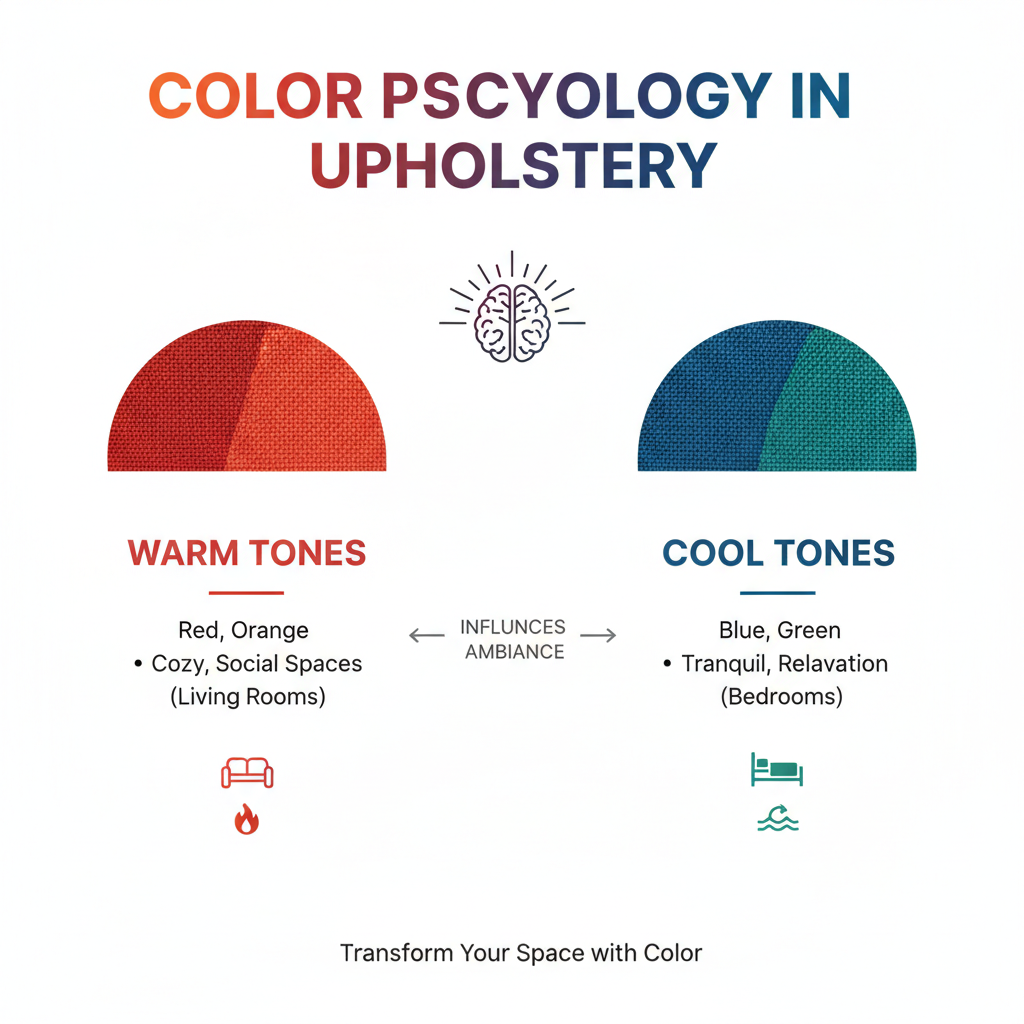
When selecting upholstery fabrics, understanding the psychological effects of color can dramatically influence your choices. Certain colors evoke specific feelings and reactions that can transform the ambiance of a space. For instance, warm tones like red and orange can create a sense of warmth and coziness, making them ideal for social areas like living rooms. In contrast, cool colors such as blue and green often promote tranquility and relaxation, making them perfect for bedrooms.
Tips: When choosing upholstery fabrics, think about the mood you want to cultivate in each room. For a vibrant and energetic space, opt for bold colors like yellow or turquoise. To promote calmness and serenity, consider softer shades like pastel blues or greens.
Moreover, the choice of fabric texture can also play a significant role in the psychological impact. Smooth textures can feel luxurious and inviting, while rougher fabrics may evoke a sense of rustic charm. It’s vital to balance these elements to harmonize the overall aesthetic and emotional response of your home.
Tips: Experiment with fabric swatches in different colors and textures to see how they make you feel in your space. This hands-on approach will help you make informed decisions that reflect both style and psychological comfort.
Durability Matters: Understanding Performance Fabrics in 2025
In 2025, durability will take center stage in the world of furniture upholstery fabrics, as consumers increasingly prioritize long-lasting materials that can withstand the rigors of daily life. Performance fabrics, designed to resist stains, spills, and wear, have become essential for both residential and commercial spaces. These innovative textiles not only offer practical benefits but also come in a wide variety of colors and patterns, allowing homeowners to maintain their aesthetic preferences without sacrificing functionality.
Advancements in technology have led to the development of high-performance upholstery fabrics that boast remarkable resilience. Many of these fabrics incorporate features such as moisture resistance, antimicrobial properties, and UV protection, making them ideal for homes with children and pets, as well as outdoor furniture. As the trend toward sustainability continues to grow, manufacturers are focusing on eco-friendly materials that provide the same durability while reducing environmental impact. Ultimately, the emphasis on performance fabrics reflects a shift towards a more conscious and practical approach to interior design in 2025.
Sustainable Practices: How Recycling Shapes Upholstery Fabric Production
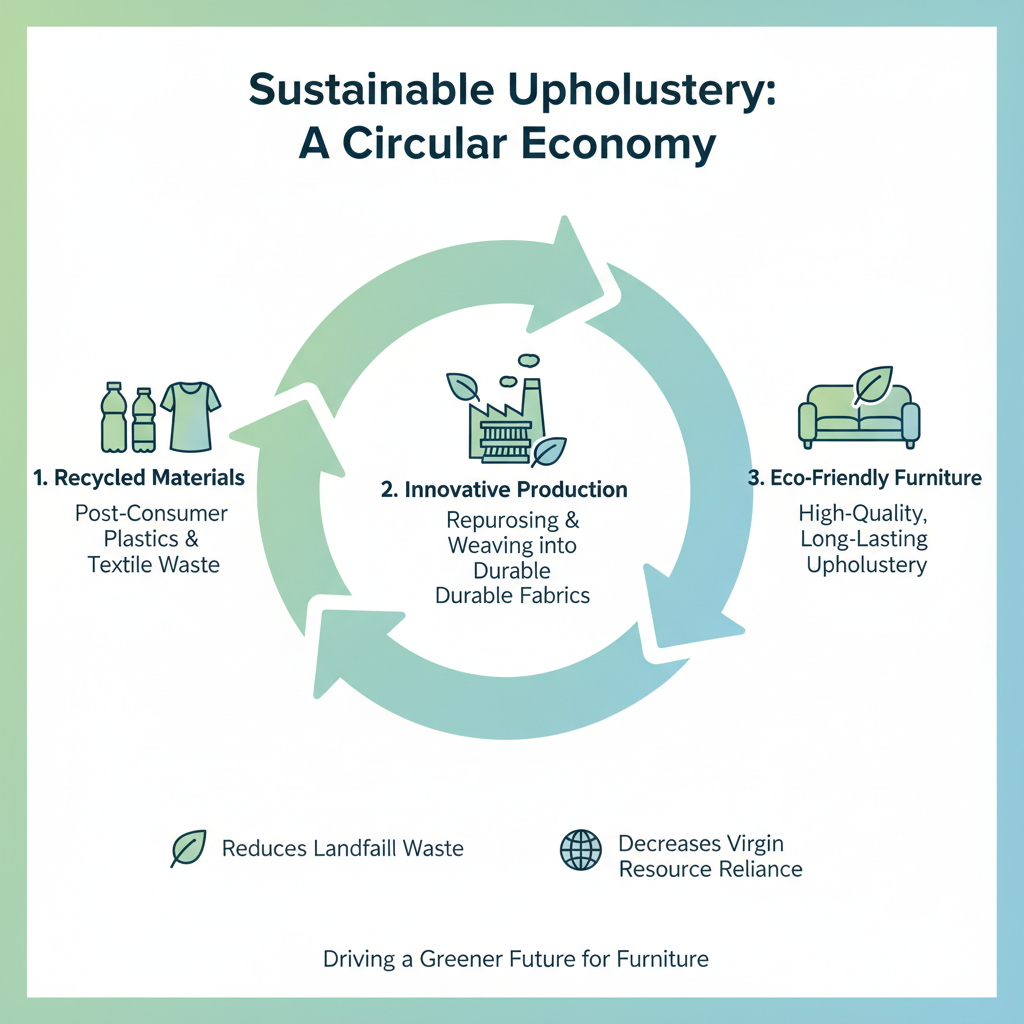
The rising emphasis on sustainability is profoundly changing the landscape of furniture upholstery fabric production. As consumers increasingly demand eco-friendly options, manufacturers are exploring innovative recycling practices that not only reduce waste but also create high-quality materials. This shift is evident in the use of recycled fibers, such as post-consumer plastics and textile waste, which are repurposed into durable upholstery fabrics. This not only diverts waste from landfills but also decreases the reliance on virgin resources, contributing to a more circular economy.
Moreover, sustainable practices in fabric production extend beyond just the materials used. The implementation of low-impact dyes and environmentally friendly finishes ensures that the entire process is as green as possible. Brands committed to sustainability are also focusing on transparency, allowing consumers to trace the origins of their fabrics and understand the ecological footprint of their purchases. As these practices gain traction, we can expect a notable shift in consumer preferences, where sustainability becomes a key driver in the selection of upholstery fabrics. The future of furniture upholstery lies in responsible choices that prioritize both style and the planet.