

Blog
Blog
Blog
2026 Best 4x2 Dump Truck Types for Global Buyers?
Choosing the right 4x2 Dump Truck in 2026 requires more than comparing prices or engine power. Global buyers must match truck design with terrain, payload, regulations, and daily working conditions. A compact 4x2 chassis may perform well on paved urban routes, quarry access roads, and construction sites with limited turning space. It may struggle on steep, muddy ground or poorly maintained roads.
This guide examines practical dump truck types for different markets and applications. It considers diesel and alternative power options, manual and automated transmissions, steel body designs, hydraulic systems, cab safety, and maintenance access. Payload figures deserve careful attention. A truck carrying wet sand behaves differently from one carrying loose gravel. Local axle limits and emissions requirements also affect the final buying decision.
Real-world ownership often exposes details that brochures miss. Can the hydraulic pump operate smoothly after a long shift? Are filters, tires, and brake parts available nearby? Does the dealer provide dependable training and warranty support? These questions matter. A lower purchase price may hide higher downtime costs. Buyers should verify technical data through official documents, independent inspections, and fleet references. No single model suits every country. Even experienced operators can overlook road quality, climate, or resale value. Careful comparison remains essential. This overview helps international buyers identify suitable 4x2 Dump Truck types while recognizing both their strengths and practical limitations.
What Is a 4x2 Dump Truck and How Does It Work?
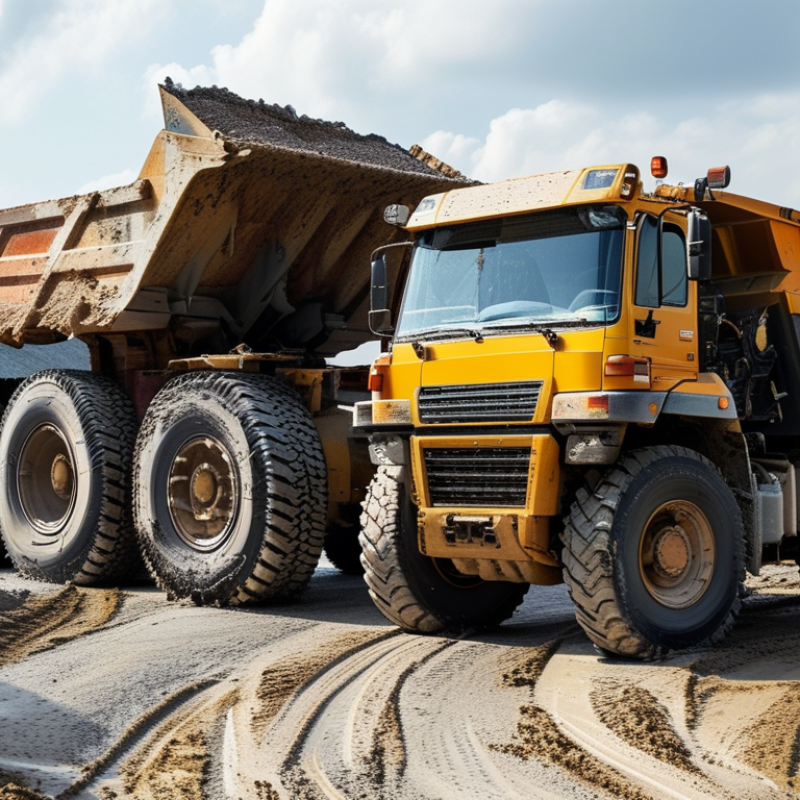
A 4x2 dump truck has two axles and four wheel positions, with power sent to one axle. The front axle steers, while the rear axle drives the truck. A hydraulic cylinder lifts the cargo bed, allowing gravel, soil, sand, or construction waste to slide out. The system is simple, but its performance depends on engine torque, frame strength, brake capacity, and hydraulic stability.
For global buyers, common 4x2 types include light-duty urban dumpers, medium-duty construction trucks, and agricultural hauling models. Their shorter wheelbase helps them turn in narrow streets and crowded work areas. However, a 4x2 truck may lose traction on mud, steep grades, or loose ground. A brochure payload figure can mislead if it ignores road conditions, body weight, and local axle limits. Real operating data matters more.
Tips: Check the actual payload, bed volume, tipping angle, tire pattern, and hydraulic cycle time. Ask for service records and inspect welds around the frame. Match the engine and gearbox to your route, not only to the advertised power. A slightly smaller truck may work better in dense cities, while a stronger rear axle suits rough construction sites. Do not overlook visibility and braking. Small details often decide daily safety.
Key Types of 4x2 Dump Trucks for Different Global Applications
2026 Best 4x2 Dump Truck Types for Global Buyers?
Key Types of 4x2 Dump Trucks for Different Global Applications
A 4x2 dump truck uses one powered rear axle and one steering front axle. It suits paved roads, urban construction, agriculture, and light quarry work. The standard rear-tipping type offers simple loading and reliable unloading. Its steel body can carry sand, gravel, soil, or demolition materials. For narrow city streets, a compact 4x2 with a shorter wheelbase improves turning control. Medium-duty versions provide more payload without the operating cost of larger multi-axle trucks. However, a 4x2 may lose traction on deep mud or steep, loose ground. This limitation is often underestimated.
Side-tipping bodies can serve road maintenance and restricted unloading areas. Three-way tipping bodies offer greater flexibility on farms and building sites. Buyers should compare body volume, rated payload, hydraulic response, and axle capacity. A large body is not always better. Overloading can shorten suspension, tire, and brake life. I have seen attractive specifications perform poorly when body weight was ignored.
Tips: Check the real worksite before choosing a type. Measure road width, turning space, slope, soil condition, and loading equipment. Confirm local axle-load requirements and available service support. Request hydraulic cycle tests, weld inspections, and maintenance records. Consider corrosion protection in coastal or humid regions. A practical choice may look less impressive, but it usually works longer.
2026 Best 4x2 Dump Truck Types for Global Buyers
Typical payload capacity by application for different 4x2 dump truck types
Light-duty 4x2 dump trucks are commonly suited to urban delivery, road maintenance, and landscaping. Medium-duty models provide a practical balance for construction and agricultural work, while heavy-duty 4x2 trucks are better suited to quarrying and high-volume bulk material transport. Values show typical payload midpoints from commonly published vehicle specification ranges; actual payload depends on chassis configuration, body weight, axle limits, road regulations, and operating conditions.
Essential Specifications Buyers Should Compare
2026 Best 4x2 Dump Truck Types for Global Buyers?
When comparing 4x2 dump trucks, start with payload, not body size. A larger body is not always better. Match the rated payload with your common materials, road conditions, and loading equipment. Compare gross vehicle weight, front and rear axle ratings, wheelbase, turning radius, and ground clearance. A shorter wheelbase usually improves maneuverability in crowded construction areas. However, it may reduce stability when carrying high-volume loads.
Engine power matters, but usable torque matters more during uphill starts. Check the torque curve, transmission ratios, axle ratio, and fuel consumption under loaded operation. Hydraulic lifting time should be measured with a realistic load, not an empty body. Inspect body plate thickness, floor reinforcement, tailgate design, and corrosion protection. Steel quality can affect durability, but excessive weight reduces legal payload and efficiency. Service access is also important. Ask for maintenance intervals, spare-part availability, diagnostic support, and verified test records. Brochures often show ideal results. Real roads are less forgiving.
Tips: Request a loaded demonstration. Measure braking distance, tipping stability, cabin visibility, and hydraulic cycle time. Compare the warranty wording carefully. Check whether local technicians can repair the engine, electrical system, and hydraulic pump. Do not choose only by purchase price. A cheaper truck may create higher downtime costs. Recheck every specification against regional weight limits, safety requirements, climate, and road surfaces. Some comparisons remain uncertain until the truck works on your routes.
How to Choose the Right 4x2 Dump Truck for Local Conditions
Choosing a 4x2 dump truck starts with the worksite, not the brochure. In my field assessments, a truck suited to paved roads may struggle on muddy access routes. Check the usual payload, haul distance, slope, and turning space. A 4x2 layout suits many urban, quarry, and construction deliveries on firm roads. It may perform poorly in deep mud or on steep, loose ground. That distinction matters.
Match engine output and axle ratings to real loads, not optimistic estimates. Overloading increases braking distance, tire wear, and frame stress. Measure body volume against local material density. One cubic meter of wet sand weighs far more than dry soil. Ask for verified payload data and inspection records. Do not rely only on sales figures. A weighbridge test is better.
Local climate also changes the purchase decision. In hot regions, inspect cooling capacity, radiator access, and cab ventilation. In cold areas, confirm starting support and fluid specifications. For dusty routes, accessible filters and sealed electrical connections save workshop time. Service coverage matters too. A technically strong truck becomes expensive when parts wait for weeks. I have seen buyers overlook this. It was a costly lesson. Road conditions and driver habits can change the result. Trial the truck on a representative route before ordering whenever possible.
Purchase, Compliance, and Ownership Factors for International Buyers
For global buyers, a 4x2 dump truck should match the worksite, route, and import rules—not only the advertised payload. A single rear axle can reduce tire and maintenance costs on paved regional roads. It may struggle on soft ground or steep construction access. Check the legal axle limit, body volume, turning radius, and bridge restrictions before choosing a configuration. Ask for certified weight data, not a sales estimate. Small details matter.
Purchase documents should include the vehicle identification number, engine details, load rating, conformity certificates, and a clear parts list. Confirm whether local authorities require emissions testing, lighting changes, speed controls, or left-hand traffic equipment. Requirements differ between countries and sometimes between provinces. Use an independent inspection before payment. Photos are not enough. A local customs broker and qualified engineer can identify missing documents, unsuitable dimensions, or unsafe body modifications. I would not rely on translated paperwork alone; technical terms are often inconsistent.
Ownership costs extend beyond fuel. Price filters, tires, hydraulic oil, scheduled servicing, driver training, insurance, and downtime over five years. Ask how quickly common parts can arrive and who performs warranty work. A cheaper truck can become expensive after one hydraulic failure. Keep service records with dates, mileage, and replaced components. That habit supports resale and safer maintenance. Still, forecasts remain imperfect. Soil, overloading, climate, and driver behavior can change the budget sharply. Build a repair reserve, even when the supplier promises low operating costs.