What is 430 Stainless Steel Wire Mesh and Its Best Uses?
In the world of industrial materials, "430 stainless steel wire mesh" holds a unique place. Renowned expert, Dr. Emily Carter, emphasizes its versatility: "430 stainless steel wire mesh is essential for various applications due to its corrosion resistance and affordability." This material is widely used in filtration, construction, and even decorative elements. Its ability to withstand certain environmental conditions makes it a reliable choice for many industries.
However, not all uses of 430 stainless steel wire mesh are equally effective. The properties that make it resistant to oxidation can vary based on the specific environment. Some users have found challenges in areas with extreme chemical exposure. The need for proper evaluation before selecting 430 stainless steel wire mesh is crucial.
Understanding the best applications is important for getting the most value from this material. While it shines in many contexts, users must consider their unique requirements. In industries like food processing and automotive applications, it delivers impressive performance. Yet, one should weigh these benefits against potential limitations in specific environments.
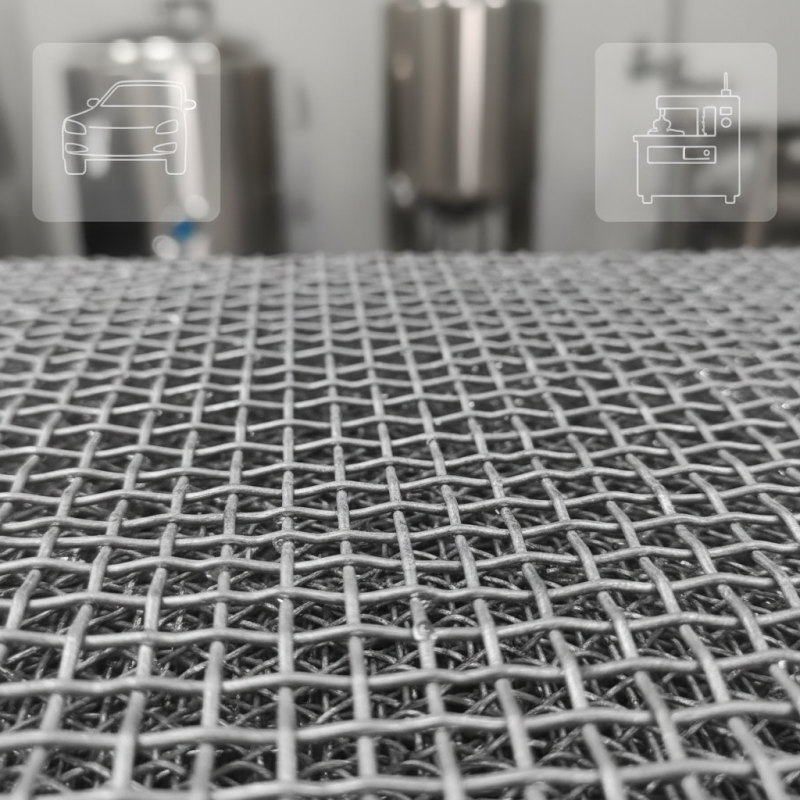
What is 430 Stainless Steel Wire Mesh?
430 stainless steel wire mesh is a type of metal mesh made from 430-grade stainless steel. This alloy contains about 16% chromium, giving it a slight resistance to corrosion. Its magnetic properties make it unique among stainless steels. The wire mesh itself is available in various mesh sizes and wire diameters, catering to different applications.
Common uses of 430 stainless steel wire mesh include kitchen equipment, filtration, and protective barriers. In food processing, it withstands high temperatures and is easy to clean. However, while it resists rust, it is not stainless in strongly corrosive environments. Therefore, careful consideration is needed for its usage. Consulting with professionals in facilities that handle corrosive materials can provide better insights.
Manufacturers appreciate this mesh for its balance of strength and versatility. It can be utilized in decorative applications as well. Nonetheless, users should reflect on their specific needs for durability and exposure conditions. 430 stainless steel wire mesh can sometimes fail in apps requiring high strength in hostile environments. Awareness of these potential limitations is essential for making informed decisions.
430 Stainless Steel Wire Mesh Applications
Characteristics and Properties of 430 Stainless Steel
430 stainless steel, often referred to as a ferritic stainless steel, exhibits distinct characteristics that make it ideal for various applications. It contains 16-18% chromium, providing good resistance to oxidation and corrosion. However, it lacks the nickel found in austenitic stainless steels, which affects its ductility and weldability. This type of steel is magnetic. It typically has a lower cost compared to other stainless steel types, making it a practical choice for many projects.
The durability of 430 stainless steel wire mesh is notable. It can withstand high temperatures and harsh environments. Its resistance to scaling and oxidation makes it suitable for food processing and catering equipment. However, in coastal applications, its corrosion resistance may be inadequate. This limitation should be evaluated based on specific environmental factors. Common uses also include automotive parts, where the mesh's strength and resilience are beneficial.
Additionally, 430 stainless steel is easy to clean and maintain, enhancing its appeal in hygiene-sensitive industries. Nevertheless, while it is a reliable option in many areas, one must always consider the specific conditions, such as exposure to chloride environments, which can compromise its integrity. Thus, thorough research is vital when selecting materials for specialized applications.
What is 430 Stainless Steel Wire Mesh and Its Best Uses?
| Property | Description |
| Material Type | 430 Stainless Steel |
| Corrosion Resistance | Moderate |
| Magnetic Properties | Magnetic |
| Weldability | Generally Poor |
| Tensile Strength | 480 MPa |
| Best Uses | Kitchen equipment, automotive parts, decorative applications |
| Wire Mesh Applications | Filter screens, security fencing, marine applications |
Common Applications of 430 Stainless Steel Wire Mesh
430 stainless steel wire mesh is a versatile material with significant applications across various industries. It is primarily known for its corrosion resistance and durability. Thus, it is widely used in the food processing industry. Many food manufacturers favor this wire mesh for its easy cleaning and maintenance, which ensures hygiene. According to market reports, the food processing sector accounted for over 30% of the total stainless steel mesh market in 2022.
Additionally, 430 stainless steel mesh finds common use in automotive applications. Car manufacturers utilize it for exhaust systems and as filters due to its ability to withstand high temperatures. A recent study highlighted that the automotive industry’s demand for stainless steel wire mesh is projected to grow by 5% annually. In filtration applications, it effectively captures contaminants while allowing fluids to flow freely.
While the advantages are clear, there are challenges. The mesh can be susceptible to pitting in highly saline environments. This limits its use in marine applications. Users must be aware of the specific conditions for optimal performance. 430 stainless steel wire mesh is excellent, but careful selection based on environment is essential for ensuring longevity in its applications.
Advantages of Using 430 Stainless Steel Wire Mesh
430 stainless steel wire mesh offers numerous advantages, especially in industrial applications. This material is known for its corrosion resistance and ability to endure high temperatures, making it an ideal choice for various environments. According to industry reports, 430 stainless steel's specific alloy composition provides good oxidation resistance, outperforming other metals in certain conditions.
The strength and durability of 430 stainless steel wire mesh are noteworthy. It can withstand significant stress without deforming, which is critical in the construction and manufacturing sectors. Reports indicate that this wire mesh is used in architectural applications, offering both functionality and aesthetic appeal. However, areas of concern include its lower corrosion resistance compared to higher-grade stainless steels. This makes it less suitable for marine or highly corrosive environments.
Moreover, the cost-effectiveness of 430 stainless steel wire mesh cannot be overlooked. It typically comes at a lower price point compared to its counterparts, making it a popular choice among budget-conscious industries. Despite this advantage, careful consideration is advised to avoid potential limitations in performance. Balancing cost and quality is crucial in choosing the right material for specific applications.
Maintenance and Care Tips for 430 Stainless Steel Wire Mesh
Maintaining 430 stainless steel wire mesh is crucial for ensuring its longevity and efficiency. Regular cleaning is essential to remove dirt and grime that can accumulate over time. A simple solution of mild soap and water often works well for most cases. For stubborn stains, a mixture of vinegar and baking soda can help. This not only cleans but also restores its shine.
Inspecting the mesh periodically is important. Look for signs of corrosion or damage. If you notice any wear and tear, address it immediately. Using a protective coating can help prevent rust, especially in humid environments. Though 430 stainless steel is resistant to oxidation, it can still corrode if not properly maintained.
Storage is another area to consider. If the mesh is stored outside, ensure it's covered to protect against moisture. Indoors, keep it in a dry area to avoid exposure to potential contaminants. Reflecting on these practices, it's clear that neglect can lead to issues. Maintaining the wire mesh requires effort, but the investment in care pays off in durability and performance.