

Blog

blog

Blog

blog

Blog

blog

7 Tips for Buying Plastic Jerry Can 5 Ltr

Choosing the right Plastic Jerry Can 5 Ltr seems simple until small details affect daily use. A container may look sturdy on a store shelf, yet its handle can feel sharp after several trips. The cap may seal well during testing but loosen inside a warm vehicle. These practical differences matter when carrying water, cleaning liquids, gardening supplies, or other permitted household materials.

This guide shares seven useful buying tips based on common product checks and real handling concerns. We will examine plastic quality, wall thickness, cap design, handle comfort, leak resistance, labeling, and storage needs. Look for food-grade material when the container will hold drinking water. For chemicals, confirm compatibility through the manufacturer’s guidance. Do not rely only on attractive photos. Check measurements, product weight, closure details, and customer feedback. A heavier can is not automatically stronger. That assumption deserves caution. Reliable suppliers should provide clear specifications, batch information, and sensible safety instructions. It is also wise to inspect the can after delivery, especially around the seam, spout, and cap thread. One overlooked crack can create a wet, unpleasant surprise. The ideal choice balances durability, safe use, easy cleaning, and reasonable cost. Our advice is practical, but no checklist replaces careful inspection. Even experienced buyers can miss a weak handle or poorly molded corner. Expect to compare several options before choosing the can that truly fits your needs.
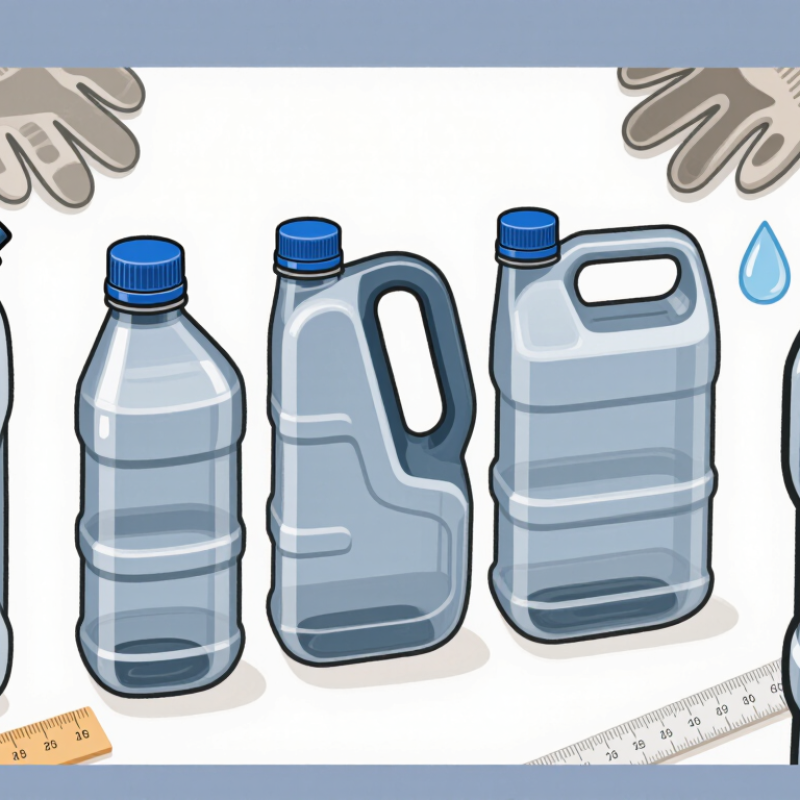
7 Tips for Buying Plastic Jerry Can 5 Ltr

Define the Intended Use and Liquid Compatibility

Before buying a 5-liter plastic jerry can, define exactly what it will hold. Water, cleaning concentrates, oils, and agricultural solutions can react differently with the same container. The word plastic is not enough. Check the resin type, wall thickness, closure material, and the supplier’s chemical-compatibility chart. High-density polyethylene often handles many household liquids, but it is not universally suitable. A liquid may soften the container, swell the cap liner, or cause slow leakage. That failure can appear weeks later.

Read the liquid’s safety data and note its concentration, temperature, and storage period. Concentration matters. A diluted solution may be acceptable, while the stronger mixture damages the container. Warm liquids can also increase chemical permeation and pressure. Never assume that a can suitable for water is suitable for fuel, solvents, or concentrated cleaners. If the container will hold drinking water, select one specifically approved for food contact and inspect the interior for odors or residue.

A practical check should include the handle, base, cap threads, gasket, and molded seams. Fill the can with the intended liquid and observe it on a dry surface before regular use. Do not ignore a slight bulge. It may indicate incompatibility or excessive internal pressure. One common buying mistake is choosing the cheapest empty container, then discovering that the cap leaks during transport. I would rather spend more on verified compatibility than replace a stained shelf and damaged contents. Even expert selection has limits, so recheck the container when the liquid, temperature, or storage time changes.

7 Tips for Buying Plastic Jerry Can 5 Ltr - Define the Intended Use and Liquid Compatibility

Tip Buying Criterion What to Check Practical Guidance Relevant Specification
1 Define the intended use Identify whether the container is for water, detergents, agricultural liquids, automotive fluids, or general industrial use. Select a container designed for the specific application. A can suitable for water may not be suitable for fuels, solvents, or corrosive chemicals. Application-specific product documentation and safety information
2 Confirm liquid compatibility Check the liquid’s chemical composition, concentration, temperature, and storage duration against the container material. High-density polyethylene (HDPE) is commonly compatible with water-based liquids and many household chemicals, but compatibility must be verified for each chemical. Material: HDPE; use a chemical-compatibility chart before purchase
3 Check the capacity and fill level Verify that the stated nominal capacity is 5 litres and determine whether usable capacity is lower because of required headspace. Leave expansion space when storing liquids affected by temperature changes. Do not fill beyond the manufacturer’s marked maximum level. Nominal capacity: 5 L; actual fill limit may vary by design and liquid
4 Evaluate closure and leak resistance Inspect the cap design, thread fit, gasket or liner, tamper evidence, and pouring opening. A secure screw cap and suitable seal help prevent leakage and contamination. The closure should be tested with the intended liquid before regular use. Compatible cap material, sealing component, and leak-test information
5 Review regulatory requirements Determine whether the liquid is regulated as dangerous goods, food-contact material, or another controlled product. For dangerous goods transport, the container may need appropriate UN performance certification. Certification should match the substance and packing group. Applicable UN marking, food-contact declaration, or local regulatory documentation
6 Assess handling and durability Look for a comfortable integrated handle, stable base, suitable wall thickness, and resistance to normal impact and stacking. A full 5-litre container can weigh approximately 5 kg when filled with water, excluding the container. The handle and base should support safe manual handling. Ergonomic handle, stable footprint, and documented drop or stack performance where required
7 Check storage conditions and reuse policy Review permitted temperature range, exposure to sunlight, cleaning requirements, and whether reuse is allowed. Store away from excessive heat and direct sunlight unless the product is specifically designed for outdoor exposure. Do not reuse a container for drinking water after it has held chemicals. Manufacturer’s temperature limits, UV guidance, cleaning instructions, and reuse restrictions

Note: Chemical compatibility, regulatory status, and safe-use limits should always be confirmed from the container manufacturer’s technical documentation and the liquid supplier’s safety information.

Check Material Quality, Strength, and Safety Standards

7 Tips for Buying Plastic Jerry Can 5 Ltr

A 5-liter jerry can may look simple, but small details affect safety and service life. Check the plastic type before judging its appearance. High-density polyethylene usually provides good impact resistance and chemical stability. Ask whether the material is virgin, recycled, or blended. This detail matters for strength and odor control. Avoid vague claims such as “premium quality.” Request a clear material specification.

Examine the walls under bright light. They should look even, without thin patches, bubbles, cracks, or sharp molding marks. Press the side gently. It should flex slightly, then recover without permanent dents. Inspect the handle and base carefully. These areas receive repeated stress during carrying and storage. Check the cap threads, seal, and venting design. A loose closure can leak, while an overly tight cap may damage the seal. I once focused only on the container body. That was a mistake.

Ask for evidence of safety testing relevant to your intended use. Useful records may include leak testing, drop testing, load testing, and material compliance documents. Standards differ by region and application, so confirm the correct requirements with the supplier. Check whether the container is suitable for water, household liquids, or other approved contents. Do not assume one plastic formula fits every liquid. Look for batch identification and traceable production details. A faint chemical smell should not be ignored, even when the surface looks flawless.

7 Tips for Buying a 5 L Plastic Jerry Can

Check material quality, strength, and safety standards before purchase.

The chart ranks seven practical inspection areas on a 1–5 procurement priority scale. Material identification, leak resistance, closure integrity, and safety documentation receive the highest priority because they directly affect product compatibility, durability, and safe handling. Confirm the exact test requirements for the intended liquid and applicable regulations before purchase.

Evaluate Cap Design, Leak Protection, and Ease of Pouring

Choosing a 5-liter plastic jerry can means testing the cap before admiring its shape. A reliable closure should have clean threads, a firm gasket, and visible tamper evidence. I would not trust a cap merely because it clicks. Turn the filled can upside down for several minutes, then inspect the neck and seal. For water, five liters weighs about five kilograms, so a small leak can quickly become a serious handling problem. ASTM D4169 distribution testing highlights the value of drop, vibration, and compression checks. These tests imitate rough transport better than a simple shelf inspection.

Pouring comfort matters just as much. Look for a molded handle with enough space for gloved fingers and a spout that directs liquid without sudden surges. A vent can reduce glugging, but poorly positioned vents may drip onto the hand. The opening should accept controlled pouring, not require excessive wrist bending. The OECD’s Global Plastics Outlook reported 353 million tonnes of plastic waste in 2019, with only 9% recycled. That figure makes durability important: replacing a leaking container too soon creates avoidable waste. UNEP’s 2023 report also warned that global municipal waste could reach 3.8 billion tonnes by 2050. I still find visual checks imperfect. A cap may feel secure yet loosen after repeated use, so a short home leak test remains worthwhile.

Compare Size Accuracy, Handling Features, and Storage Needs

7 Tips for Buying Plastic Jerry Can 5 Ltr

A 5-litre label does not always mean 5 litres of usable space. Check the fill line, neck volume, and stated manufacturing tolerance. Measure one sample with water if accuracy matters. A narrow opening may reduce filling speed and increase spillage. It sounds minor. It is not.

Handling deserves a practical inspection. Look for a centered grip, rounded edges, and a cap that opens without excessive force. A tethered cap can reduce loss during repeated use. Check whether the handle fits comfortably with wet or gloved hands. ASTM D4169 evaluates packaging performance during distribution, including vibration and stacking stresses. A container passing such testing may still feel awkward in daily use. I once focused too much on wall thickness and overlooked the slippery handle.

Storage needs can change the right choice. Compare the can’s external height, width, and footprint, not only its liquid capacity. Leave clearance above the cap for access. Check whether the body remains stable when partly filled. Temperature limits, UV exposure, and material compatibility should appear in the technical sheet. OECD’s Global Plastics Outlook reported about 142 million tonnes of plastic waste from packaging in 2019, nearly 40% of total plastic waste. Reusable, durable containers can reduce replacement frequency, but only when cleaning and storage are realistic. PlasticsEurope reported packaging took 39.6% of European plastics demand in 2022. The figures encourage better choices, though they do not replace a hands-on inspection.

Review Supplier Reliability, Pricing, and Product Certifications

When buying a 5-liter plastic jerry can, supplier reliability matters more than a polished website. I usually request company registration details, factory photographs, production capacity, and recent customer references. A small trial order reveals more than promises. Check delivery accuracy, carton strength, label quality, and communication during delays. These details show whether the supplier can support repeated orders.

Pricing needs a wider view. Compare the unit price, mold charges, transport, packaging, testing, and possible replacement costs. A cheaper can may have thinner walls, weak handles, or poorly fitting caps. Ask for a written specification covering plastic type, weight, dimensions, closure design, color tolerance, and leakage limits. Request samples from regular production, not specially prepared pieces. I have seen attractive samples fail after stacking. That mistake is expensive.

Certifications should match the intended use. Ask for valid test reports, issuing laboratory details, test dates, and the exact product reference. For food or chemical contact, verify applicable migration or compatibility testing. For transport packaging, request relevant performance evidence, such as drop, stacking, and leak tests. Certificates alone are not enough. Inspect batch records and retain samples for comparison. One weakness remains: supplier documents can become outdated without clear notice. Add renewal requirements and audit rights to the purchase agreement. A reliable partner accepts reasonable checks. That is a useful sign.