

Blog

blog

Blog

blog

Blog

blog

99% Pure Cetearyl Alcohol 7 Buying Tips for Global Buyers

Buying 99% Pure Cetearyl Alcohol sounds straightforward. It is not.

Global buyers must examine purity claims, supplier records, and real formulation performance before approving a shipment. Cetearyl alcohol is commonly used as a thickener, stabilizer, emollient, and co-emulsifier in creams, lotions, conditioners, and cleansing products. However, “99% pure” may describe an assay result, not the complete quality profile.

Cosmetic chemist Dr. Randy Schueller offers a practical reminder: “A raw material is only as reliable as its documentation and consistency.” That principle matters when comparing suppliers across regions. A professional buyer should request a current certificate of analysis, specification sheet, safety data sheet, INCI confirmation, allergen statement, and manufacturing-origin details. Check the assay method. Also review acid value, hydroxyl value, melting range, color, odor, moisture, and packaging condition.

Small details matter.

A warm warehouse can soften flakes inside a damaged bag. Moisture can affect handling. A familiar supplier may still change production sites or specifications without clear communication. Price alone is a weak filter.

This guide presents seven buying tips for 99% Pure Cetearyl Alcohol, including supplier qualification, sample testing, documentation review, batch consistency, packaging inspection, logistics planning, and total cost analysis. It also encourages buyers to question their own assumptions. A perfect-looking certificate cannot replace laboratory verification. That is an uncomfortable point, but it protects product quality, consumer trust, and long-term sourcing reliability.
99% Pure Cetearyl Alcohol 7 Buying Tips for Global Buyers

Understanding 99% Pure Cetearyl Alcohol and Its Key Specifications

Understanding 99% Pure Cetearyl Alcohol and Its Key Specifications

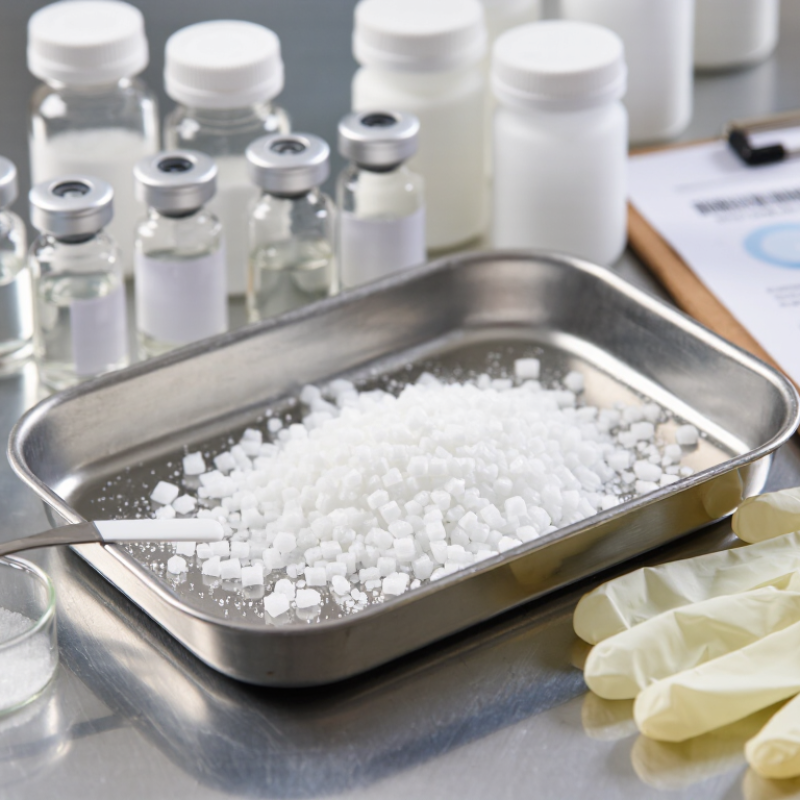
Cetearyl alcohol is a waxy blend of cetyl and stearyl alcohols, not ethanol. It commonly appears as white flakes or small pellets. A “99% pure” claim needs careful interpretation. It may describe total fatty alcohol content, not a fixed cetyl-to-stearyl ratio. Global buyers should request the exact assay method, composition range, CAS number, and manufacturing origin.

Key specifications deserve close review. Check melting range, hydroxyl value, acid value, iodine value, moisture, color, ash, and residual solvents. For most cosmetic formulations, a narrow melting range supports consistent lotion texture. Low moisture reduces clumping during storage. The USP–NF and European CosIng databases provide useful terminology and identity references, although they do not replace supplier testing. Keep that distinction clear.

A reliable certificate of analysis should match the delivered batch number. Ask for recent test results, not a generic template. Review packaging weight, inner liner quality, shelf life, and storage temperature. A 2023 Grand View Research assessment placed fatty alcohols among expanding cosmetic and personal-care ingredient categories, supported by demand for mild emulsifying and thickening materials. Market growth does not guarantee quality. It can encourage rushed purchasing. Third-party testing for identity, purity, heavy metals, and microbiological limits adds confidence, especially for imports. One overlooked detail? Odor and particle appearance can reveal storage damage before laboratory results arrive.

Assessing Purity, Quality Standards, and Product Performance

For global buyers, “99% pure” cetearyl alcohol needs careful interpretation. It may describe total fatty alcohol content, not 99% cetyl alcohol or stearyl alcohol separately. Request a recent certificate of analysis with assay method, fatty-chain distribution, melting range, acid value, and moisture. Gas chromatography is more informative than a single headline percentage.

Check quality against recognized systems. ISO 22716:2007 supports controlled cosmetic manufacturing, but it does not prove raw-material purity. A supplier should also provide batch traceability, allergen statements, safety data, and origin records. The USP–NF framework can help when pharmaceutical-grade documentation is expected. Review three consecutive batch reports, not one attractive sample.

Performance is visible in the beaker. Many commercial grades show melting ranges near 45–55°C, yet chain distribution can shift texture and stability. In a cream, inconsistent flakes may reveal poor melting control. A pilot batch should test viscosity, spreadability, emulsion stability, odor, and color after heating and cooling cycles. ASTM E2974-16 describes useful principles for chemical identification and quality documentation, although it is not a cetearyl alcohol specification. Small gaps matter. A 99% assay may still produce a waxy, draggy finish if the blend is poorly balanced. Do not rely only on supplier brochures; compare COAs, retain samples, and independent laboratory results before approval.

Choosing Reliable Cetearyl Alcohol Suppliers and Manufacturers

For global buyers, 99% pure cetearyl alcohol is more than a number on a specification sheet. Reliable sourcing starts with defining the material clearly. Confirm the cetyl-to-stearyl alcohol range, INCI name, CAS details, appearance, melting range, and permitted test methods. Ask whether “99%” refers to total fatty alcohol content or a different internal calculation. This small question prevents expensive misunderstandings.

A capable manufacturer should provide a current COA, SDS, technical data sheet, and representative pre-shipment sample. Compare the sample with the delivered batch. Check odor, color, flakes, melting behavior, and moisture under controlled conditions. Independent testing can verify purity, acid value, hydroxyl value, and microbiological quality when relevant. Request batch traceability, production dates, retest guidance, and storage instructions. Inspectors may also review cleaning records, calibration logs, and change-control procedures. Documentation matters.

Do not judge a supplier only by price. Evaluate production capacity, export experience, packaging strength, lead times, and response speed. A sealed bag is not enough if flakes arrive fused after a hot voyage. Ask about pallet protection and temperature exposure. I have seen buyers approve a sample, then ignore payment terms and backup capacity. That was a costly oversight. Supplier audits help, but they are not perfect. Keep a risk register and test every incoming lot. Clear communication, honest limitations, and consistent records usually reveal the stronger long-term partner.

99% Pure Cetearyl Alcohol 7 Buying Tips for Global Buyers - Choosing Reliable Cetearyl Alcohol Suppliers and Manufacturers

No. Buying Tip Key Dimension to Check Practical Acceptance Criteria Buyer Verification Method
1 Define the material correctly Identity, nomenclature and composition The product should be identified as cetearyl alcohol, a solid mixture of fatty alcohols mainly containing cetyl alcohol (C16) and stearyl alcohol (C18). The commonly used CAS number is 67762-27-0. Request the SDS, technical data sheet, product specification and composition statement. Confirm that the documents describe cetearyl alcohol rather than a single fatty alcohol.
2 Verify the “99% pure” claim Assay definition and analytical method “99%” should clearly state whether it refers to total fatty alcohol content, chromatographic purity, or another basis. A numerical claim without a test method is not sufficient for qualification. Ask for a recent batch-specific certificate of analysis (CoA), including the test method, specification limit, actual result, batch number and test date. For critical applications, compare the result with independent laboratory testing.
3 Match the C16/C18 profile to the formulation Cetyl alcohol and stearyl alcohol ratio The C16/C18 ratio affects melting behavior, viscosity, texture and emulsion structure. Do not assume that all cetearyl alcohol grades have the same composition. Request the fatty alcohol distribution by gas chromatography or an equivalent validated method. Compare a production sample with the approved reference sample before purchase approval.
4 Check physical properties and consistency Appearance, odor, melting range and color Typical commercial material is a white to off-white waxy solid or flakes with a mild characteristic odor. Melting behavior varies by C16/C18 composition; many commercial grades are specified within approximately 45–55 °C. Establish a written specification for appearance, odor, color and melting range. Inspect the sample at receipt and compare it with the CoA and retained reference sample.
5 Review chemical and contamination controls Acid value, hydroxyl value, iodine value, water and impurities Limits should be suitable for the intended use and supported by test results. The exact acceptable range depends on the product grade, manufacturing route and application. Request the full specification rather than relying only on an assay figure. For cosmetic, pharmaceutical or food-contact applications, also review allergen, residual solvent, heavy-metal, microbiological and other applicable impurity controls.
6 Confirm regulatory and documentation readiness SDS, CoA, regulatory status and traceability Documentation should be current, internally consistent and specific to the supplied grade. Regulatory requirements differ according to destination country and end use. Check the SDS revision date, GHS classification, CAS number, INCI name where relevant, lot traceability, country-of-origin information and any required registration or compliance statements.
7 Assess supply reliability and logistics Packaging, shelf life, lead time and shipment controls Packaging should protect the waxy solid from moisture, contamination and excessive heat. Commercial shelf life is grade-specific and must be confirmed in the supplier’s documentation. Confirm packaging type and net weight, palletization, storage temperature, shelf-life period, minimum order quantity, production lead time, Incoterms, export documents and a procedure for handling nonconforming batches.
Qualification note: Specification limits for cetearyl alcohol vary by grade and application. Buyers should approve the material only after reviewing the batch-specific CoA, safety documentation, representative samples and applicable destination-market requirements.

Checking Certifications, Testing Documents, and Regulatory Compliance

99% Pure Cetearyl Alcohol: Buying Tips for Global Buyers

A 99% purity claim needs evidence, not attractive wording. Request a recent Certificate of Analysis for each production lot. It should state assay method, melting range, acid value, hydroxyl value, water content, and batch number. For cetearyl alcohol, confirm the ratio of cetyl and stearyl alcohol. “99% pure” can describe total fatty alcohol content, not one single compound.

Check the supplier’s Safety Data Sheet against the current GHS requirements. Ask for REACH registration details when importing into applicable markets. Cosmetic use also requires accurate INCI naming, traceable manufacturing records, and compliant impurity controls. ISO 22716 certification supports good manufacturing practice, but it does not replace independent test results. A useful safeguard is third-party testing by an ISO/IEC 17025-accredited laboratory.

The 2024 Grand View Research assessment places the global fatty alcohol market at about USD 6.5 billion in 2023, with continued growth expected through 2030. This scale increases supply options, but it can also increase documentation inconsistency. Request the latest audit certificate, not a generic PDF. Compare the laboratory method with your internal specification. Test a retained sample before approving bulk shipment. It sounds cautious. It is. Source changes, blended feedstocks, and storage heat may affect odor, color, or melting behavior. A certificate can still miss a practical processing problem.

Comparing Pricing, Packaging, Shipping, and Long-Term Supply Terms

99% Pure Cetearyl Alcohol: 7 Buying Tips for Global Buyers

When buying 99% pure cetearyl alcohol, compare the full landed cost, not only the quoted price. Ask for a recent certificate of analysis showing purity, moisture, acid value, and melting range. A low price can hide testing gaps or unstable supply. In my experience, a slightly higher price is sometimes safer when quality records are consistent.

Tip 1: Request two or three volume-based quotations. Check whether prices include export documents, pallets, insurance, and destination charges. Tip 2: Inspect packaging details. Strong polyethylene bags, sealed liners, and clean cartons help prevent moisture, dust, and odor absorption. Confirm net weight, batch numbers, production dates, and storage instructions before payment.

Shipping conditions need equal attention. Ask about lead time, container loading, port options, and temperature exposure during transit. Solid flakes can become compacted in heat, making unloading slower. Tip 3: Request loading photos and verify that pallets are dry and stable. A cheaper freight route may create longer delays. That risk is easy to underestimate.

For long-term supply, discuss minimum order quantities, production allocation, price-review periods, and replacement procedures for nonconforming material. Put these terms in writing. Also confirm how quickly the supplier can provide samples and updated test reports. One weakness remains: forecasts are never perfect. Review demand quarterly, instead of promising volumes your team may not use. Reliable cooperation depends on clear records and practical flexibility.

How to use this benchmark: For 99% pure cetearyl alcohol, compare the full procurement package rather than the unit price alone. A lower quote may be offset by smaller packaging, longer ocean transit, limited payment flexibility, or weak long-term supply protection. Confirm the specification, net weight, palletization, Incoterms, lead time, payment terms, and annual allocation before signing a supply agreement.