

Blog
Blog
Blog
What Are Barcode Security Labels and How Do They Work?
barcode security labels combine machine-readable identification with visible or concealed evidence of tampering. They appear on cartons, electronics, medical supplies, documents, and retail products. A scanner reads the barcode, while the label material records handling conditions. Some labels tear when removed. Others reveal a hidden message, change color, or leave a patterned residue.
GS1 US President and CEO Bob Carpenter has called the barcode “one of the most important inventions of the 20th century.” That achievement explains their importance, but standard barcodes alone do not prove authenticity. Barcode security labels add another layer. Each label can carry a unique serial number, batch reference, or database-linked code. Staff can scan it at receiving, storage, dispatch, or inspection points. The system then compares the scanned information with expected records.
The process sounds simple. Real workplaces are less predictable. Dust can blur printing. Poor lighting can slow scanning. A damaged label may create uncertainty. Strong security depends on suitable materials, accurate data, trained staff, and clear procedures. It also requires honest review when a control fails. No label removes every risk.
This guide explains how barcode security labels work, what technologies support them, and where they provide practical value. It will examine tamper-evident adhesives, destructible films, serialized barcodes, and verification steps. The goal is not to promise perfect protection. It is to show how thoughtful label design can make product movement more visible, traceable, and trustworthy.
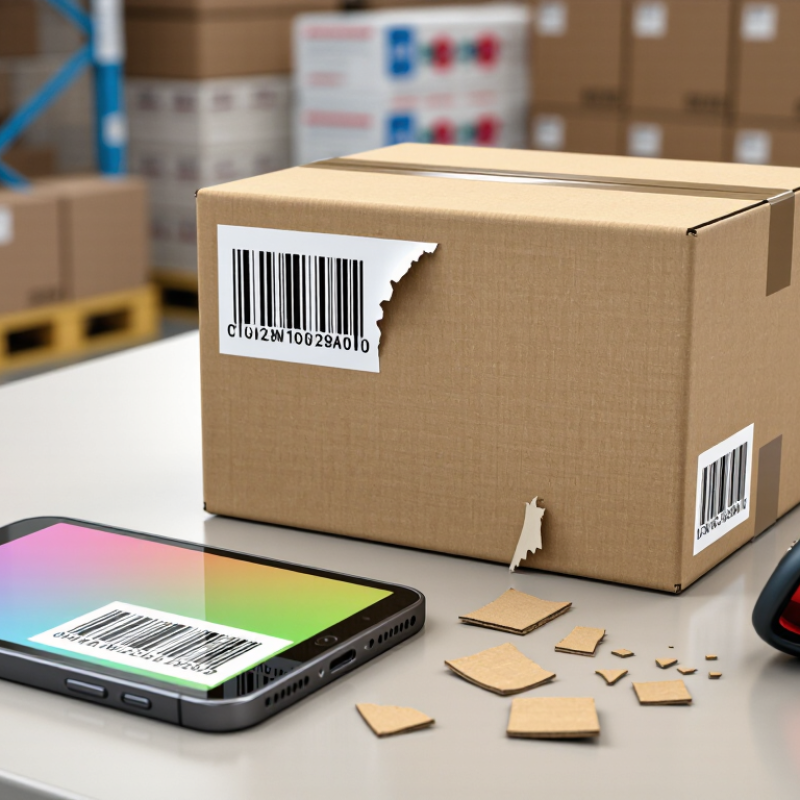
What Barcode Security Labels Are and What They Protect
What Are Barcode Security Labels and How Do They Work?
Barcode security labels identify products while creating a visible record of movement, ownership, and handling. Each label may contain a unique number, barcode, QR code, tamper-evident film, or serialized pattern. When scanned, the code links the physical item to inventory, shipping, warranty, or authentication data. A torn label, broken seal, or mismatched number can signal unauthorized access.
These labels protect more than boxes. They help reduce product diversion, inventory errors, warranty fraud, and counterfeit substitution. The OECD and EUIPO estimated that counterfeit and pirated goods represented up to 3.3% of global trade in their 2019 report. That figure shows why traceability matters. However, a barcode alone cannot prove authenticity. It only works when staff scan consistently and databases remain accurate. This is where many programs become imperfect. A label can be genuine, yet attached to the wrong product.
Tips: Use one unique code per item, not one code per product type. Store scan times and locations. Check seals during receiving and returns. Train workers to question damaged labels. Test the process in real warehouse conditions, including dust, moisture, and poor lighting. GS1 guidance emphasizes globally unique identification, but practical discipline still determines protection. A secure label is therefore a physical warning, a data link, and a small operational checkpoint.
The Main Components and Types of Barcode Security Labels
Barcode security labels combine identification with evidence of tampering. Their main components are a printable face stock, pressure-sensitive adhesive, barcode, security layer, and serial number. The face stock may be paper, polyester, or destructible film. Polyester handles moisture and abrasion better. Destructible film breaks into small pieces when removed.
The barcode stores a product, asset, or shipment reference. It does not prove authenticity by itself. Security improves when each label carries a unique serial number and a controlled database record. ISO/IEC 15415 defines quality measures for two-dimensional barcode printing, including contrast, damage, and decoding performance.
A 2024 barcode scanner market report projected continued growth above 5% annually through 2028, reflecting wider use of machine-readable identification. The number matters.
Common types include tamper-evident VOID labels, destructible labels, serialized labels, and covert labels with UV-visible or microtext features. VOID film can reveal a repeated message after lifting. Destructible labels leave fragments on the surface. Serialized labels support audit trails, while covert features help trained inspectors verify a label under specific lighting. Some labels combine several methods, but more layers do not automatically mean better protection.
In practical testing, apply labels to clean, dry surfaces. Check scanning after exposure to dust, rubbing, sunlight, and temperature changes. A glossy finish can look attractive yet create glare. That detail is often missed. GS1 guidance also stresses consistent data structures and verification before deployment. Security labels reduce risk; they cannot replace access controls, inspection routines, or careful recordkeeping.
How Barcode Security Labels Store and Display Information
Barcode security labels combine a machine-readable code with a surface designed to resist copying or tampering. A one-dimensional barcode stores information through the width and spacing of dark bars. A two-dimensional code uses a grid of squares, allowing more data in a smaller area. That data may include a product number, serial number, batch reference, or expiry date. Human-readable text remains important when a scanner fails.
The label is not magic. Its barcode usually points to a record in a controlled database, rather than proving authenticity by itself. During a scan, software compares the captured identifier with approved information. A duplicate number, unexpected location, or incorrect batch record can trigger review. Tamper-evident materials may leave a visible “VOID” pattern, break into fragments, or expose adhesive when removed. These physical changes create useful evidence beside the digital record.
A 2023 Warehousing Vision Study reported that 58% of surveyed warehouse leaders planned to adopt fixed industrial scanning by 2028. That finding reflects growing reliance on automated identification, but it does not remove the need for careful label design. Under ISO/IEC 15415 quality evaluation, two-dimensional symbols receive grades from 0 to 4. Poor contrast, curved packaging, glare, and weak adhesive can reduce scan reliability. Small, but useful. In practical testing, I would scan labels after abrasion, temperature changes, and removal attempts, because clean laboratory samples can create false confidence.
How Scanning and Verification Work Step by Step
What Are Barcode Security Labels and How Do They Work?
Barcode security labels combine a readable code with visible or hidden protection features. Each label may carry a unique serial number, tamper-evident material, or a pattern that changes after removal. The barcode links the physical item to verified records. This helps staff check identity, movement, and handling history.
Scanning begins when a trained operator aims a reader at the code. The device captures the black-and-white pattern within seconds. Software then converts the pattern into a serial number. It checks that number against an approved database. The screen may show the item description, assigned location, status, and scan time. A valid result supports the item’s identity. A duplicate, inactive, or unknown number requires a closer inspection. That step matters.
Verification should not rely on the screen alone. Staff can compare the printed details, label position, and tamper evidence with the recorded information. A peeled label may leave a checkerboard residue. A damaged code may produce an error or an incomplete record. In warehouse practice, clean surfaces and consistent lighting improve scan accuracy. Still, the process is not perfect. Dust, glare, weak printing, or rushed handling can create false failures. Human review remains necessary, especially when the label looks altered. Scan logs also need careful access control and regular record checks. Otherwise, accurate scanning may still support unreliable decisions.
What Are Barcode Security Labels and How Do They Work? - How Scanning and Verification Work Step by Step
| Step | Process Stage | What Happens | Data Used | Security Function | Typical Verification Result |
|---|---|---|---|---|---|
| 1 | Label Creation | A unique barcode is generated and printed on a label. Security features may be added to the label material, adhesive, or print layer. | Item ID, serial number, batch number, date, and authentication code | Creates a traceable identity for one item, package, or batch. | Unique identifier assigned |
| 2 | Database Registration | The barcode value and relevant product records are stored in a controlled inventory or authentication system. | Barcode value, product description, production lot, authorized location, and status | Provides a reference record against which later scans can be checked. | Record created and marked active |
| 3 | Label Application | The label is applied to the product, container, document, or asset. Placement and surface condition affect readability and tamper evidence. | Label position, application date, operator, and inspection status | Helps reveal lifting, replacement, damage, or unauthorized transfer. | Label securely attached and readable |
| 4 | Barcode Scanning | A compatible scanner or camera reads the barcode's bars, spaces, modules, or encoded pattern and converts them into digital characters. | Captured barcode image and decoded identifier | Fast, standardized capture reduces manual data-entry errors. | Readable or unreadable |
| 5 | Format and Check Validation | The system checks whether the decoded value follows the expected length, character pattern, and check-digit rules where applicable. | Symbology type, character length, check digit, and allowed format | Detects malformed, incomplete, or incorrectly decoded barcode data. | Format valid or format rejected |
| 6 | Database Lookup | The scanned identifier is compared with the corresponding record in the authorized database or verification service. | Scanned ID, registered ID, product record, and current status | Confirms whether the identifier exists and matches the expected item. | Match found or no matching record |
| 7 | Event and Location Check | The system reviews scan history, location, time, and user permissions to identify unusual movement or repeated scans. | Timestamp, scan location, operator ID, scan count, and transaction history | Supports detection of duplication, diversion, unauthorized access, or unexpected reuse. | Normal activity or anomaly flagged |
| 8 | Physical Tamper Inspection | The user inspects visible features such as tearing, void markings, delamination, cuts, color changes, or damaged adhesive. | Visual condition, label integrity, and tamper-evident response | Adds a physical layer of protection beyond the encoded data. | Intact, damaged, removed, or altered |
| 9 | Verification Decision | The system combines scan results, database status, event history, and physical inspection to determine the outcome. | Validation rules, risk indicators, and inspection results | Separates expected items from items requiring investigation. | Verified, rejected, or review required |
| 10 | Audit and Follow-Up | The verification event is recorded for traceability, and exceptions can trigger quarantine, escalation, or further investigation. | Verification result, user action, notes, and follow-up status | Maintains an auditable history and supports incident response. | Event archived and action assigned |
Common Uses and Benefits of Barcode Security Labels
Barcode security labels combine a scannable barcode with tamper-evident material. Each label carries a unique identifier linked to an inventory record. When scanned, the code can show an item’s location, status, and handling history. If someone removes the label, it may tear, reveal a hidden message, or leave residue on the surface. This visible change alerts staff during receiving, storage, or routine checks. The system is simple, but its value depends on accurate records and consistent scanning.
Common uses include warehouse pallets, equipment cabinets, library assets, product packaging, and document folders. These labels improve inventory accuracy and reduce time spent on manual searches. They can also discourage unauthorized replacement because damaged labels are easier to notice. In practice, however, a label is not proof of authenticity. Poor adhesive, scratched barcodes, or skipped scans can weaken the process. That limitation deserves attention. Human review still matters.
Tips: Choose materials suited to heat, moisture, and frequent handling. Test the adhesive on the actual surface before large-scale use. Print high-contrast barcodes and scan samples from different angles. Record each identifier carefully. Train staff to report damaged labels immediately, rather than ignoring small defects. Small errors grow quickly.