What are the Benefits of Clad Wood Windows for Your Home?
Clad Wood Windows offer a unique blend of beauty and durability for homeowners. These windows feature a wooden interior that provides warmth and elegance. The exterior is clad with a protective material, often vinyl or aluminum, which shields against the elements. This combination delivers a striking aesthetic while cutting down maintenance needs.
Homeowners appreciate the energy efficiency of clad wood windows. They help regulate indoor temperatures, saving on heating and cooling costs. Many reports indicate that these windows can significantly reduce energy bills. However, some may overlook the initial investment cost. While they offer long-term savings, the upfront price can be daunting.
Choosing clad wood windows impacts both style and functionality. They elevate a home's curb appeal, making properties more attractive. Yet, the installation process can be complex and requires professional expertise. Homeowners should weigh the pros and cons carefully. Understanding what clad wood windows bring to their homes will lead to better decision-making.
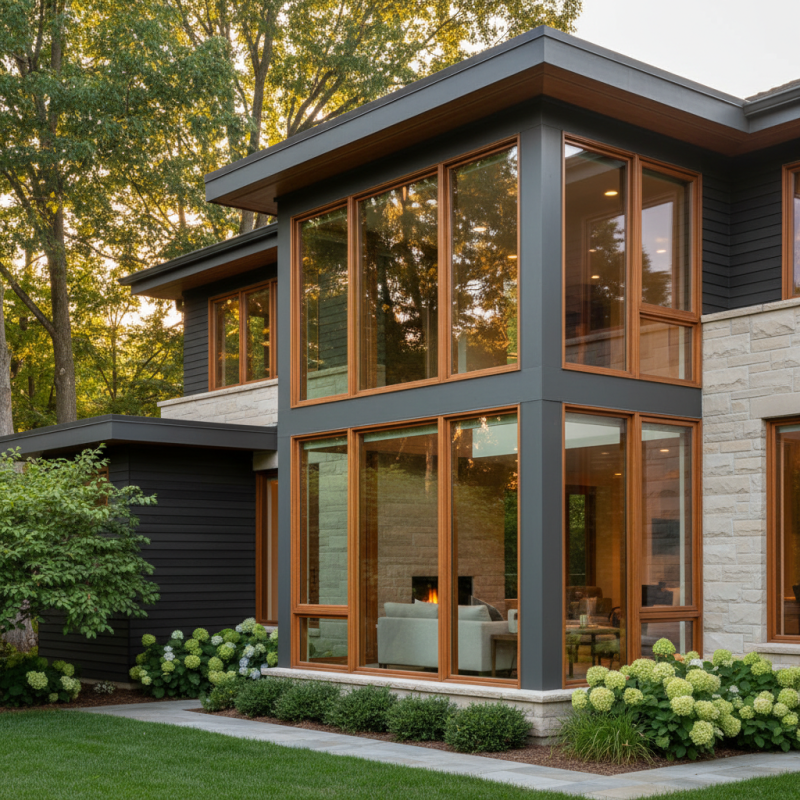
Benefits of Clad Wood Windows in Energy Efficiency
Clad wood windows offer significant advantages in energy efficiency. The exterior cladding acts as a protective barrier against harsh weather conditions. This helps maintain a stable indoor temperature, reducing the need for heating and cooling. Additionally, the wood core provides excellent insulation properties. This combination can lead to lower energy bills over time.
One notable feature is how well these windows resist thermal transfer. Homeowners may notice reduced drafts and less temperature fluctuation. However, proper installation is crucial. Even the best windows can underperform if not fitted correctly. Regular maintenance, like checking seals, is key for optimal efficiency.
It’s important to consider the upfront cost versus long-term savings. Clad wood windows may require a higher initial investment. Yet, they often pay off in energy savings. Potential buyers should also examine local climate conditions. In regions with extreme temperatures, the benefits become even more apparent.
Durability and Low Maintenance Features of Clad Wood Windows
Clad wood windows offer impressive durability and low maintenance features that can greatly benefit your home. These windows combine the classic beauty of wood with a protective exterior shell, typically made from vinyl or aluminum. A study by the American Architectural Manufacturers Association found that clad wood windows show exceptional resistance to weather elements, significantly outlasting traditional wood windows in harsh conditions.
Moreover, homeowners report that clad wood requires less maintenance than solid wood. According to a report by the Window and Door Manufacturers Association, the maintenance needs for clad wood windows are reduced by nearly 50%. This means less time spent on repainting and sealing. Instead, a simple wash with soapy water can keep them looking fresh.
Tip: Regularly inspect the joints and seals to ensure they remain intact. Small repairs can prevent larger issues down the road.
Despite their advantages, clad wood windows are not immune to challenges. Some users have noted that the initial installation costs can be higher compared to vinyl windows. Furthermore, if not properly maintained, the exterior can still succumb to wear over time. It's essential to weigh these factors carefully when considering your options.
Tip: Allocate a yearly budget for minor repairs and maintenance to extend the lifespan of your clad wood windows.
Aesthetic Appeal of Clad Wood Windows for Home Design
Clad wood windows combine the elegance of natural wood with the durability of modern materials. This unique blend creates a visually stunning addition to any home. The exterior, often made of aluminum or vinyl, provides excellent weather resistance. Meanwhile, the interior showcases the warmth and beauty of wood. This duality enhances the overall aesthetic appeal while offering practicality.
According to the American Institute of Architects, homes with high-quality windows can increase property value by up to 70%. Homebuyers are drawn to the charm of clad wood. Aesthetically, these windows can complement various architectural styles. From classic to contemporary, they offer versatility in design. Research indicates that well-chosen windows can impact a home's marketability significantly.
However, aesthetic appeal alone isn't enough. It's crucial to consider installation and maintenance. Poor installation can lead to gaps or drafts, detracting from the desired look. Regular inspections and upkeep are necessary to maintain their beauty. Balancing style with proper care is key to enjoying clad wood windows for years to come.
Environmental Impact and Sustainability of Clad Wood Materials
Clad wood windows offer a unique combination of beauty and sustainability. The outer layer protects the natural wood core from the elements. This means longer-lasting windows and less frequent replacement. Using renewable resources like wood helps reduce environmental impact.
Sustainability is a key factor in choosing clad wood. These windows often feature environmentally friendly coatings. They resist rotting and reduce the need for harmful chemicals. When manufacturers use responsibly sourced wood, it conserves forests and ecosystems.
Yet, not all clad wood options adhere to sustainable practices. It’s crucial to research materials used in production. Seek certifications that ensure both environmental and ethical standards. Understanding these factors will help you make an informed choice.
Cost-Effectiveness of Clad Wood Windows Over Time
Clad wood windows offer significant cost-effectiveness over time. Their combination of natural wood interiors and durable exterior cladding creates a product that minimizes maintenance expenses. According to the National Association of Home Builders, homeowners can save up to 50% on maintenance costs compared to traditional wood windows. This longevity leads to less frequent replacements, ultimately providing a solid return on investment.
Wooden interiors provide warmth and aesthetic value, while the exterior cladding—often aluminum or vinyl—resists harsh weather. This durability protects against rot and corrosion, enhancing the lifespan of your windows. In fact, a Home Improvement Research report indicates that clad wood windows can last up to 30 years, significantly exceeding the average lifespan of unprotected wood frames, which is often less than 15 years.
Tip: Regular cleaning can enhance the lifespan of your windows. Use a mild soap and water solution to remove grime regularly.
Investing in clad wood windows might seem expensive initially. However, over the years, the savings on maintenance and replacement costs can outweigh these upfront expenses. This balance of aesthetics, functionality, and cost-effectiveness highlights the enduring value of opting for clad wood in your home’s design.
Tip: Consider local climate impacts when choosing window types. This can affect your long-term costs, beyond just the purchase price.