

Blog
Blog
Blog
What Are the Best Aluminum Clad Windows in 2026?
Aluminum Clad Windows combine a protective aluminum exterior with an interior finish, often wood. They can suit homeowners who want a clean exterior, varied interior styles, and less routine exterior painting. But “best” depends on the house, climate, budget, and the window’s size and configuration. No single model wins everywhere.
A west-facing room may need different solar control from a shaded bedroom. In coastal or rainy areas, check the finish, drainage details, and published resistance to air and water. Look beyond appearance: compare independently reported energy ratings, frame construction, hardware, glass options, and warranty terms. Ratings can change with the selected glass and window size, so compare like with like. Ask a qualified installer how the unit will be flashed and sealed; a strong product can still perform poorly when installed carelessly. Small details matter.
This guide examines leading options available in 2026 and the trade-offs behind their specifications. It considers comfort, durability, design choices, maintenance, and overall value rather than treating a premium price as proof of quality. Product information and availability can vary by region, and manufacturer claims deserve careful checking. Even a thorough comparison has limits. Your local exposure, existing wall conditions, and installer’s experience may change the result. Use the shortlist as a starting point, then confirm current ratings, exact options, and written warranty coverage before making a decision.
How Aluminum-Clad Windows Combine Wood and Aluminum
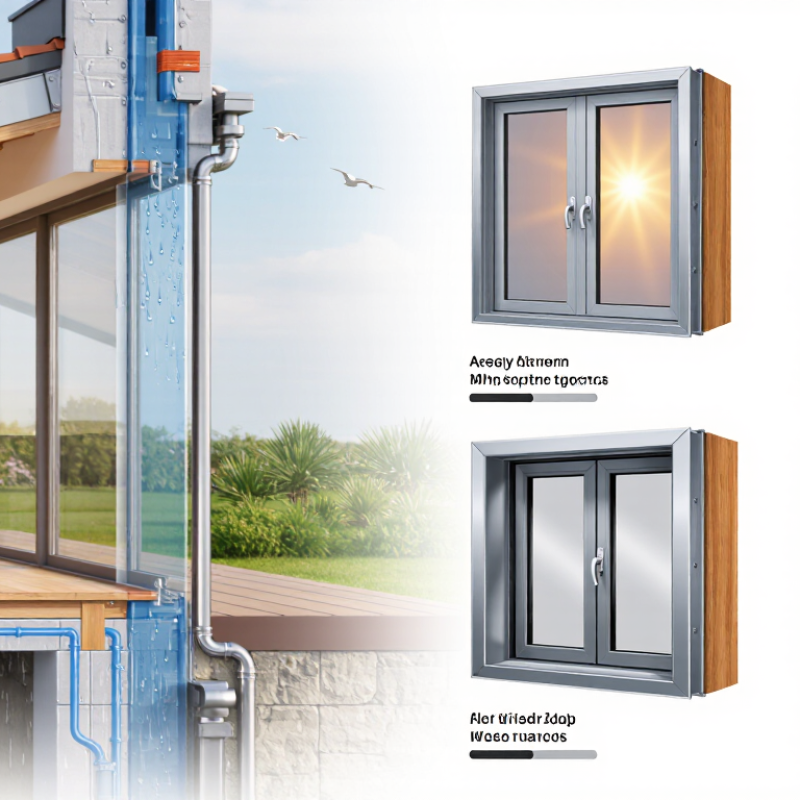
Aluminum-clad windows pair a wood interior with a protective aluminum exterior. From inside, the room gets the warmth and texture of painted or stained wood. Outside, the aluminum faces rain, sun, and seasonal wear. It is a practical combination, not a maintenance-free one.
The materials do different jobs. Wood can be finished to suit a room, while the exterior cladding helps shield it from weather. On a cold morning, the interior surface still feels more natural than bare metal. But insulation depends on the whole window, including the glass, frame design, seals, and installation. Ask for tested performance ratings, and compare them with your climate and home.
Small details matter. Look closely at corner joints, drainage paths, and the transition between cladding and frame. Poor installation can allow water to collect where it is hard to see. That is easy to overlook. Check how the wood finish should be cleaned or renewed, too; interior wood may need care over time. Aluminum colors can also appear different in full sun than on a sample card. I would not choose a window by appearance alone. A well-made unit can still disappoint if the opening is measured poorly or the flashing is rushed.
Which Features Matter When Evaluating Aluminum-Clad Windows?
When evaluating aluminum-clad windows, start with the performance label, not the finish. The U-factor indicates heat transfer; lower values generally mean better insulation. Solar heat gain coefficient (SHGC) shows how much solar heat enters. Compare certified ratings for the same size and operating style. The U.S. Department of Energy estimates that heat gain and loss through windows account for about 25–30% of residential heating and cooling energy use. That figure is broad, not a prediction for every home.
Check the frame construction closely. A thermal break separates interior and exterior aluminum, reducing heat transfer through the metal. Ask for tested air-leakage, water-penetration, and structural-performance results under recognized window standards. Also inspect drainage paths and corner joints; a neat showroom sample cannot reveal how a frame handles years of wind-driven rain. Small details matter.
The exterior cladding should resist fading, corrosion, and coating failure, while the interior material suits the room’s moisture and maintenance needs. Review the written warranty for finish coverage, glass-seal limits, and exclusions. NFRC ratings help compare products, but they do not measure installation quality. Even a strong window can underperform if flashing or sealing is poor. I would weigh verified test data above attractive claims, though comparing every specification can feel tedious. That part is easy to overlook.
How Leading Aluminum-Clad Window Options Compare in 2026
In 2026, aluminum-clad windows vary less by appearance than by construction. Most pair a weather-resistant aluminum exterior with a wood interior, but frame depth, cladding thickness, and corner details differ. A well-made corner should feel tight and show no uneven gaps. Small details matter.
For colder regions, compare complete-window performance, not just glass claims. Ask for tested U-factor and air-leakage figures for the exact size and configuration. Triple glazing can improve comfort, yet it adds weight and cost. A deep frame may also affect how much daylight reaches the room. On a rainy, windy site, drainage paths and carefully sealed installation joints deserve close attention.
Lower-maintenance options often use durable exterior finishes and straightforward profiles. Some designs offer more color choices or slimmer sightlines, while others prioritize a warmer, more substantial wood interior. These trade-offs are easy to miss in a showroom. Ask to inspect a full-size sample, open and lock it, and check the finish near corners. That sounds tidy; real projects are messier. Installation quality can outweigh small product differences, so compare written warranties, service availability, and the installer’s experience with your wall type. Price alone rarely tells the whole story.
What Are the Best Aluminum Clad Windows in 2026? — How Leading Aluminum-Clad Window Options Compare in 2026
A practical comparison of common aluminum-clad window configurations. “Best” depends on climate, exposure, project budget, and the tested performance of the specific window assembly.
| Window option | Typical construction | Thermal performance considerations | Exterior durability and upkeep | Relative cost | Best suited to | Key trade-off |
|---|---|---|---|---|---|---|
| Standard aluminum-clad wood | Wood frame and sash on the interior with formed aluminum cladding on exposed exterior surfaces; usually paired with double-pane insulating glass. | Wood is less conductive than aluminum, but the glass, spacer, frame design, and air leakage all affect the whole-window result. Check the unit’s certified U-factor and air-leakage rating. | The exterior cladding shields much of the wood from weather and reduces the need for exterior repainting. Inspect joints, seals, and finish periodically. | Moderate to high | Homes seeking a natural wood interior and a lower-maintenance exterior. | Performance and durability vary with construction quality, installation, and maintenance of the remaining exposed wood and seals. |
| Aluminum-clad wood with upgraded glass | Clad wood frame with options such as low-emissivity coatings, argon-filled insulating glass, or warm-edge spacers. | These glass features can reduce heat transfer compared with basic insulating glass. The actual benefit depends on the glass package, climate, orientation, and complete window rating. | Exterior upkeep is broadly similar to standard clad wood; glass coatings are part of the sealed glass unit and are not a substitute for sound frame seals. | Moderate to high; higher with advanced glass packages | Projects prioritizing energy efficiency without changing the wood-interior / aluminum-exterior design. | Upgraded glazing increases cost, and specifications should be selected for the local climate rather than by feature count alone. |
| Aluminum-clad wood with triple glazing | Clad wood frame paired with a three-pane insulating glass unit; sash and frame must be designed to accommodate the additional glass weight and thickness. | Triple glazing can improve insulation and interior glass-surface temperatures, but the whole-window result also depends on frame design, spacers, coatings, and airtight installation. | Exterior maintenance needs are similar to other clad-wood options. Heavier glass places greater demands on hardware and sash design. | High | Cold climates, noise-sensitive locations, or projects with demanding comfort targets. | Higher purchase cost and weight; it may not provide the best value in mild climates. |
| Aluminum-clad wood with coastal-suited finish | Clad wood construction specified with an exterior finish and hardware appropriate to the project’s exposure; confirm the exact coating and hardware options with the supplier. | Coastal finishes do not by themselves improve insulation. Evaluate the same whole-window thermal and air-leakage ratings as for other configurations. | Salt, moisture, and wind-driven rain can accelerate corrosion or wear. Finish selection, drainage, installation details, and regular inspection matter. | Moderate to high; exposure-specific options may add cost | Coastal or high-exposure sites where exterior material and hardware choices need careful review. | “Coastal” is not a universal performance rating; confirm written finish and hardware specifications for the actual site conditions. |
| Custom-size or large-format aluminum-clad wood | Clad wood units made to project-specific dimensions, sometimes with larger panes or grouped window assemblies. | Large glass areas can increase heat gain or loss compared with smaller units. Verify the tested or calculated performance for the proposed size and glazing configuration. | Large and custom units require appropriate structural support, flashing, and installation. Accessibility for cleaning and inspection should be considered. | High to very high | Architectural openings, renovation projects with nonstandard dimensions, and designs emphasizing expansive views. | Custom sizing, structural requirements, and larger glass areas can increase both project cost and performance variability. |
Selection note: Compare certified whole-window ratings for the exact size and configuration, including U-factor, solar heat-gain coefficient, air leakage, and water-penetration performance where available. Ratings and code requirements vary by product, region, and test method; installation quality is also essential.
Which Window Types Suit Different Climates and Projects?
Choosing the best aluminum-clad window in 2026 starts with climate, not appearance. In cold regions, look for insulated frames, effective thermal breaks, low-e glazing, and warm-edge spacers. Exterior aluminum alone does not prevent heat loss. Condensation often appears first at lower corners, so ask for tested U-factor and air-leakage data for the complete window. Details matter. For hot, sunny homes, specify solar-control glass on exposed sides while preserving daylight on shaded elevations. A wide overhang can reduce summer heat gain, but it cannot replace suitable glazing.
Coastal projects need durable finishes, corrosion-resistant hardware, and installation details that drain water rather than trap it. Casement and awning windows seal tightly when closed and can suit windy exposures, though their opening sashes may crowd narrow walkways. Sliding windows work where outward-opening sashes are impractical; their tracks need regular cleaning. Fixed windows usually offer strong air control and broad views, making them useful beside operable units. For renovations, check frame depth and opening size before ordering. It sounds obvious, but this step gets missed. Compare independently tested ratings for your chosen window size and glass package, then review flashing and sill details with the installer. No single type suits every elevation. Wind, shade, rain, ventilation needs, and maintenance access all affect the choice.
Aluminum-Clad Windows: Climate-Specific U-Factor Targets
Lower U-factor means less heat transfer. These are ENERGY STAR Version 7.0 maximum U-factor criteria for residential windows, not guaranteed ratings for any particular product.
For cold climates, compare whole-window NFRC ratings with the stricter Northern and North-Central targets. In warmer regions, check the applicable zone target and consider solar heat gain as well. Aluminum-clad designs vary: thermally improved frames and insulated glazing can help, but evaluate each window’s certified performance for the project and local climate zone.
Source: ENERGY STAR, Residential Windows, Doors & Skylights Version 7.0 criteria. U-factor is measured in Btu/(h·ft²·°F).
How to Assess Energy Ratings, Warranties, and Installation Needs
When comparing aluminum-clad windows in 2026, start with the performance label, not the frame’s polished appearance. Look for independently verified ratings and compare the U-factor, which measures heat transfer. Lower values generally mean less heat escapes. Check the solar heat gain coefficient too; the right level depends on your climate, orientation, and shading. Numbers need context. A sunny west-facing room may need different glazing from a shaded northern room.
Read the warranty closely. Confirm how long the glass seal, frame, finish, and hardware are covered, and whether labor is included. Check exclusions for coastal exposure, harsh cleaning products, or installation errors. Ask whether coverage transfers to a future owner. A long warranty can still offer limited practical help if removal and replacement costs fall to you. I would not judge coverage by the headline term alone.
Installation can make or undo a good rating. Before ordering, have the installer measure each opening and check for uneven sills, moisture damage, and clearance for trim. Ask how the frame will be flashed and sealed, and whether the installer follows the window maker’s written instructions. That detail matters. Aluminum cladding resists exterior wear, but poor drainage or a rushed seal can still cause trouble. Brochures make the process sound tidy; older homes often aren’t.