How to Choose the Best Leather Upholstery Fabric for Your Needs?
When selecting leather upholstery fabric, you might feel overwhelmed by the options available. The choice of fabric can greatly influence both aesthetics and durability. With so many types on the market, finding the right match for your needs requires careful consideration.
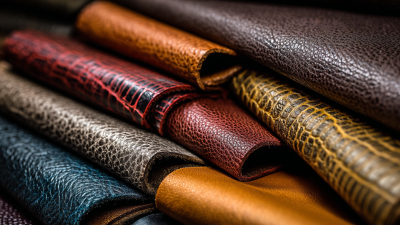
Leather upholstery fabric offers a vast array of textures, colors, and finishes. Each type has its unique characteristics. For example, full-grain leather is renowned for its durability, while suede adds a soft touch to any space. Texture impacts not only the look but also maintenance and longevity.
It’s an important decision for furniture or decor. Take time to explore your options and consider practicalities like upkeep. Ask yourself how much wear the upholstery will endure. Reflect on the environment it will be in—pet-friendly or family-friendly? Ultimately, choosing leather upholstery fabric involves balancing style and function for your unique space.
Understanding Different Types of Leather Upholstery: An Overview
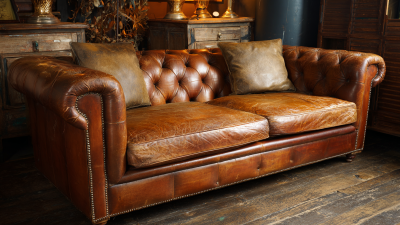
When considering leather upholstery, understanding the different types available is essential. Leather is categorized mainly into full-grain, top-grain, corrected-grain, and bonded leather. Full-grain leather, recognized for its durability, retains the animal hide's natural texture. According to a report by the Leather Research Institute, this type is known to last up to three times longer than other materials.
Top-grain leather, while still high quality, undergoes a sanding process. This makes it thinner and less durable but offers a more uniform appearance. Many consumers appreciate its softer feel. Meanwhile, corrected-grain leather is treated to remove imperfections, which can make it less authentic. Reports suggest that nearly 40% of leather upholstery on the market falls into this category due to its affordability. Finally, bonded leather is made from leftover scraps and polyurethane. Although it is economically friendly, its lifespan is significantly shorter, often raising concerns regarding its long-term value.
Selecting the right type of leather allows for personalization based on lifestyle and aesthetic. Full-grain leather may be ideal for someone prioritizing durability. At the same time, others may opt for corrected-grain or bonded leather for cost reasons. It’s crucial to weigh these factors carefully. Avoiding a rush in your decision can lead to better satisfaction with your choice. This thoughtful consideration can prevent potential regrets down the road.
Key Factors to Consider When Selecting Leather Upholstery Fabric
When selecting leather upholstery fabric, several crucial factors come into play. The type of leather is essential. Full-grain leather, for example, retains the natural grain and is durable. In contrast, bonded leather is made from scraps, leading to potential peeling over time. According to a report from the Leather and Hide Council, the global leather market is projected to grow by 5.5% annually. This underscores the increasing demand for quality materials.
Durability is another key aspect. The Martindale test measures the abrasion resistance of fabrics. High-quality leather should withstand at least 15,000 rubs. For high-traffic areas, consider fabrics with even higher ratings. This ensures longevity and reduces the need for premature replacements. Additionally, consider the finish. Aniline leather maintains a soft feel but is more sensitive to stains. Pigmented leather, however, offers better protection but may lack the same texture.
Tip: Always request samples before making a decision. This allows you to feel the texture and see how it fits in your space. Also, reflect on your lifestyle. If you have pets or children, a more robust option is ideal. Investing in quality leather may cost more upfront, but it leads to long-term satisfaction and less frequent replacements.
How to Choose the Best Leather Upholstery Fabric for Your Needs? - Key Factors to Consider When Selecting Leather Upholstery Fabric
| Factors |
Description |
Considerations |
| Leather Type |
Different types of leather (e.g., top-grain, full-grain, corrected grain) have varying qualities and uses. |
Choose based on durability and look. |
| Finish |
The finish affects the leather's appearance and maintenance. |
Decide on matte vs. glossy based on aesthetics. |
| Color |
Color options impact the overall décor of the space. |
Consider color palette and current trends. |
| Texture |
Texture can determine the perception of comfort and luxury. |
Choose a texture that complements the design style. |
| Maintenance |
Different leathers have varying maintenance needs. |
Consider ease of cleaning and upkeep costs. |
| Durability |
How well the leather holds up against wear and tear. |
Select based on the expected use and lifespan. |
| Price |
Leather varies significantly in price based on quality. |
Balance quality and budget for best value. |
Evaluating Durability and Maintenance of Leather Upholstery Options
When selecting leather upholstery, focus on durability and maintenance. Different leather types vary in their resilience and upkeep requirements. For instance, full-grain leather is among the most durable options but can be more challenging to maintain. On the other hand, bonded leather offers a budget-friendly choice but may not withstand wear as well. Evaluating the conditions of your space is critical.
Consider where the upholstery will be used. High-traffic areas may benefit from tougher leathers like pigmented or corrected grain options. These types resist stains and scratches better than their natural counterparts. Keep in mind that all leather requires some care. Regular cleaning with a damp cloth can help maintain its appearance.
Tips: Invest in a leather conditioner to keep the material supple. This will also help prevent cracking over time. Also, avoid placing upholstery near direct sunlight. Prolonged exposure can fade and dry out the leather. Reflect on your lifestyle needs and how the leather will fit within your home environment. This assessment will guide your choice effectively.
Assessing Cost vs. Quality in Leather Upholstery Fabrics
When assessing cost versus quality in leather upholstery fabrics, it’s crucial to understand your priorities. Top-quality leather often comes at a higher price. Yet, it promises durability and elegance. A well-made leather chair can last decades, making it a worthwhile investment. On the other hand, cheaper options may seem appealing but can sacrifice longevity and comfort.
Consider your lifestyle when making a choice. For high-traffic areas, select a leather that stands up to wear and tear. Aniline leather offers a luxurious feel, but it can stain easily. Alternatively, pigmented leather is more resistant and easier to clean. Be mindful of how you plan to use the furniture. Families with pets or children may require more robust materials.
Reflect on your budget, but do not overlook quality. Sometimes spending a little more can save money in the long run. Research different types of leather, as their textures and finishes vary greatly. This knowledge empowers you to choose wisely. It’s essential to balance desire and practicality in every decision you make.
Sustainability and Ethical Sourcing in Leather Upholstery Choices
When considering leather upholstery, sustainability and ethical sourcing are vital aspects. Leather production can have significant environmental impacts. Traditional tanning methods often use harmful chemicals. It's essential to seek options that prioritize eco-friendly practices.
Choosing leather from responsible sources can mitigate these issues. Look for suppliers who engage in ethical animal husbandry. They should adhere to welfare standards and sustainable grazing practices. Certifications can guide consumers toward more responsible choices. Understanding the supply chain can lead to better decisions.
However, navigating this landscape is complex. Not all claims are clear-cut. Some brands may use greenwashing tactics, presenting misleading information about their products. Consumers must research and educate themselves before making a choice. This ensures that their decisions truly align with their values and contribute to sustainability.