What are the Best Outdoor Fabrics for Your Needs?
Choosing the right outdoor fabrics can significantly impact your outdoor experience. According to recent industry reports, the global outdoor fabric market is expected to reach $3.5 billion by 2027. This growth reflects the increasing consumer demand for durable and weather-resistant materials. Outdoor fabrics must withstand UV rays, moisture, and temperature fluctuations, making their selection crucial for longevity.
Many outdoor fabrics are treated for added durability and resistance. For instance, solution-dyed acrylic offers excellent fade resistance. On the other hand, polyester blends are often more budget-friendly yet may not perform as well over time. Consumers should consider both function and aesthetics when selecting materials. It's common to overlook the importance of choosing the right fabric, leading to premature wear and disappointment.
Investing in high-quality outdoor fabrics can save money in the long run. However, some may feel overwhelmed by the options available. There's a paradox in the abundance of choices; the best fabric for one person may not suit another’s needs. It’s vital to assess your specific requirements and environment before making a decision. Balancing comfort, style, and practicality in outdoor fabrics is key.
What Defines the Best Outdoor Fabrics: Key Characteristics and Benefits
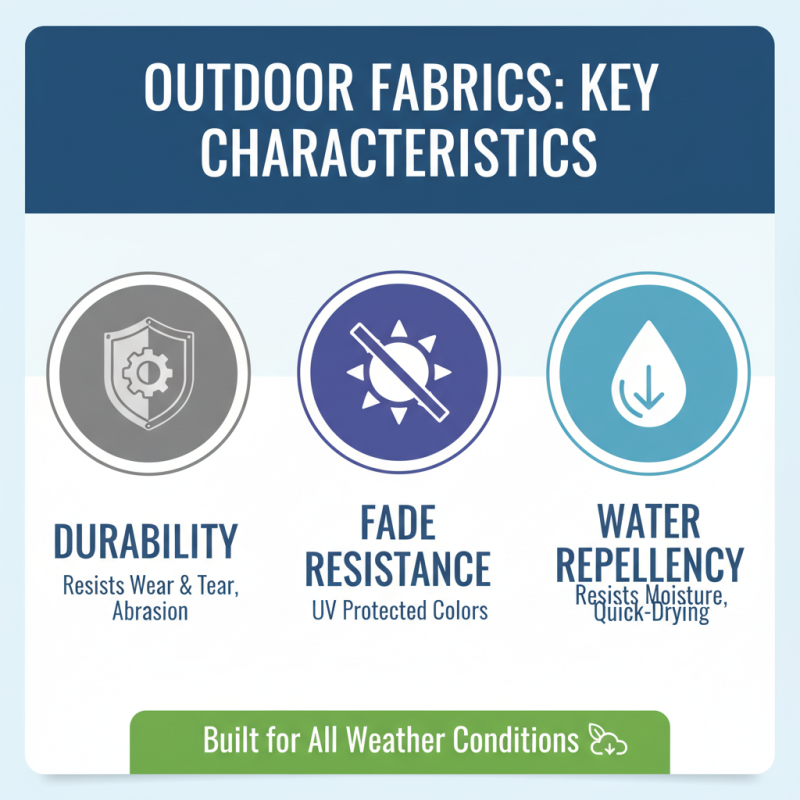
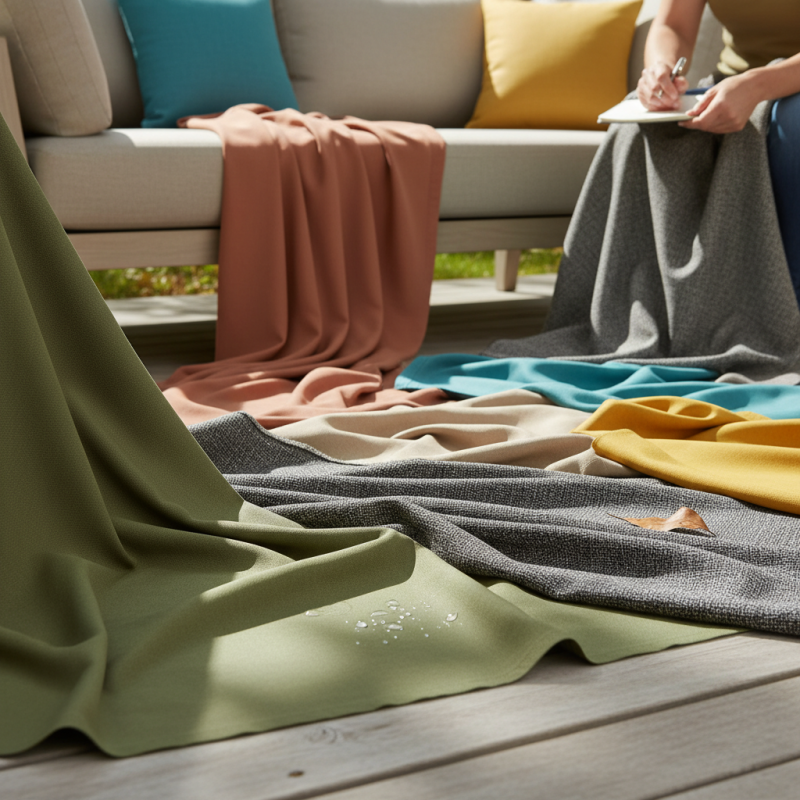
When selecting outdoor fabrics, understanding their key characteristics is essential. The best outdoor fabrics feature high durability, resistance to fading, and water repellency. These attributes make them suitable for various weather conditions. Durable fabrics can withstand heavy wear and tear. Look for materials that won’t easily fray or tear during use.
Another important factor is breathability. Fabrics that allow air circulation prevent discomfort in hot weather. Among these, some are lightweight yet strong. Additionally, consider UV resistance. This keeps colors vibrant and protects against skin damage. However, finding the perfect balance can be tricky. Sometimes, breathable fabrics compromise on durability, leading to mixed results.
Lastly, maintenance should not be overlooked. Some fabrics are easy to clean and sustain their quality over time. Others may require special care, like gentle washing or occasional treatments. By weighing these benefits and characteristics, you can make better choices. Outdoor fabrics can meet various needs, but not all options are perfect. Reflect on what matters most for your lifestyle.
Top Outdoor Fabric Types: A Comparison of Durability and Water Resistance
When selecting outdoor fabrics, durability and water resistance are key factors. Certain materials excel in these areas while also facing challenges. For instance, solution-dyed acrylic fabrics offer impressive UV resistance, lasting up to five times longer than traditional options. They are colorfast and do not fade under sunlight. However, they can be prone to mildew when moisture lingers.
Polyester fabrics are another popular choice. They often feature a water-resistant coating. When tested, treated polyester can withstand over 1,000 mm of water pressure. This rating indicates solid protection against rain. Yet, polyester isn’t as breathable as other fabrics, which can lead to condensation issues during warm days.
Nylon is also worth mentioning. Its strength is notable; it can endure heavy use for years. Nylon fabrics resist tears and abrasions well. However, they tend to absorb water if untreated. This characteristic might not be ideal for areas with high humidity. Evaluating these aspects is essential when choosing materials for outdoor environments.
UV Protection in Outdoor Fabrics: Essential Ratings and Standards Explained
When choosing outdoor fabrics, UV protection should be a top priority. The sun's rays can cause fabrics to fade and lose strength. UV radiation damages both fibers and color, reducing the lifespan of your outdoor gear. Fabrics with high UV protection ratings often come with a UPF (Ultraviolet Protection Factor) label. A UPF rating of 30 or higher is generally considered effective for outdoor use.
Understanding the ratings is crucial. A UPF of 50 blocks about 98% of the sun's harmful rays. This means less worry for those long days spent outside. However, not all outdoor fabrics are created equal. Some may claim protection without testing, which can lead to disappointment. It's essential to look for reliable standards.
While many fabrics offer good protection, they may not be perfect. Some may feel stiff or lack breathability. Others may not withstand heavy rain well. It’s vital to balance comfort and protection. Take time to research and test different materials in real conditions. The best choice often depends on where and how you'll use them.
UV Protection Ratings of Popular Outdoor Fabrics
Maintenance and Care: Enhancing Longevity of Outdoor Fabrics
Maintaining outdoor fabrics is essential for their longevity. Regular cleaning helps remove dirt and debris.
Use a soft brush or cloth to wipe down surfaces. For tougher stains, a mild soap mixed with water can work wonders. Avoid bleach, as it can damage fibers and colors.
Rinsing thoroughly after cleaning is key, as soap residue can attract more dirt.
Protection is equally important. Consider applying a fabric protector designed for outdoor materials. This creates a barrier against stains and moisture.
Remember to reapply periodically, as the effectiveness diminishes over time.
Storing fabrics indoors during harsh weather can prevent wear and fading.
Yet, not everyone has the space or remembers to do this.
Realistically, we all forget. A sunny day can turn into an unexpected rainstorm. Thus, even the best care methods may falter.
Take time to inspect your fabrics for signs of damage or wear. Catching these issues early can save you from costly replacements.
Sometimes, simple repairs are all that’s needed.
Trends in Outdoor Fabrics: Innovations for Enhanced Comfort and Style
The world of outdoor fabrics is evolving rapidly. Innovations focus on comfort and style. Textiles now offer breathability and durability. This means you can enjoy time outside without discomfort. New materials resist fading and stains. They stand up to harsh weather and heavy use. Imagine a fabric that feels like cotton but fights off mildew.
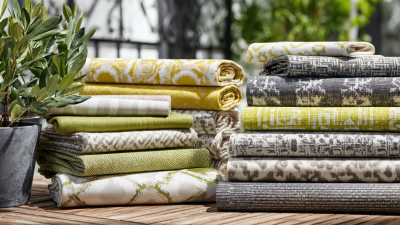
Color trends are also shifting. Shades inspired by nature are gaining popularity. Earthy tones create a chic outdoor space. Patterns are bolder, making a statement. Designers are experimenting with textures too. Smooth finishes are paired with rugged surfaces. This combination elevates the overall aesthetic of outdoor furniture.
Despite these advancements, some fabrics can disappoint. Durability can vary even within the same collection. Customers often find that comfort doesn’t always equate to durability. It’s essential to test fabrics personally. Don’t rely solely on labels or descriptions. Embrace trial and error to find what truly fits your needs.