What Are the Best Upholstery Materials for Your Needs?
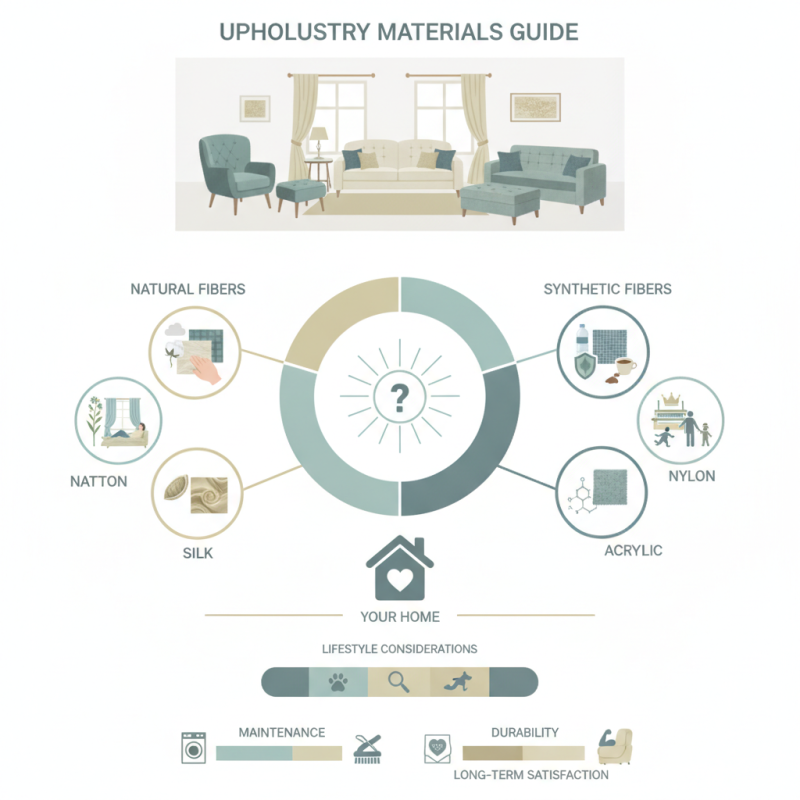
Choosing the right upholstery materials can significantly impact the comfort and style of your space. Different materials offer unique benefits and drawbacks. For instance, natural fibers like cotton and linen are soft and breathable. However, they might stain easily. Synthetic fibers like polyester are durable and stain-resistant but can lack a natural look.
When selecting upholstery materials, consider your lifestyle and needs. Families with pets may prefer robust fabrics. On the other hand, those who value luxury might lean toward silk or velvet. Each material tells a story and creates an atmosphere.
Understanding the characteristics of upholstery materials is crucial. It allows you to make informed choices for furniture that balances aesthetics and functionality. Being aware of maintenance and durability helps in long-term satisfaction. Selecting the perfect upholstery can transform your home into a welcoming retreat.
Understanding Upholstery Materials and Their Properties
When choosing upholstery materials, it's essential to understand their properties. Each material offers unique benefits and drawbacks. Cotton, for example, is breathable and durable. However, it can stain easily. This makes it unsuitable for homes with pets or children.
Leather is another popular choice. It's elegant and easy to clean, yet it demands regular maintenance to prevent cracking. Synthetic fibers like polyester are often more affordable. They resist stains and fade but may lack the luxurious feel of natural materials.
Consider your lifestyle before deciding on a material. High-traffic areas might require something more robust. While some materials feel luxurious, they may not stand the test of time. Understanding these nuances is key to making an informed decision. Each choice has a cost, not just in money, but also in future care and replacement.
Different Upholstery Materials and Their Durability Ratings
This chart illustrates the durability ratings of various upholstery materials. A higher rating indicates better durability, making these materials suitable for different applications in furniture and decor.
Common Types of Upholstery Fabrics: Pros and Cons
When choosing upholstery fabrics, it’s essential to weigh their pros and cons.
Cotton is a popular choice. It's soft, breathable, and comes in various colors. However, it can stain easily and wear out faster than other materials. You might love its comfort but keep in mind its limitations in high-traffic areas.
Another common fabric is polyester.
It's durable and resistant to fading and stains. This makes it ideal for homes with pets or kids. Yet, some find polyester less luxurious than natural fabrics. It may not be the best choice for every aesthetic. Consider how it complements your space.
Leather is another option, offering elegance and longevity.
Over time, it develops a unique patina. However, it can be pricey and may not suit vegan lifestyles. Think about your personal values and how they fit into your fabric decisions. Each material has a story, and understanding these subtleties helps in making an informed choice.
Factors to Consider When Choosing Upholstery Materials
When selecting upholstery materials, various factors come into play. Durability is crucial. Does the fabric withstand daily wear? Consider how much use the furniture will get. For high-traffic areas, stronger materials are better.
Comfort matters too. Some materials feel soft and inviting. Others can be rough or irritating. Think about who will use the furniture. Families with children may prefer easier-to-clean options.
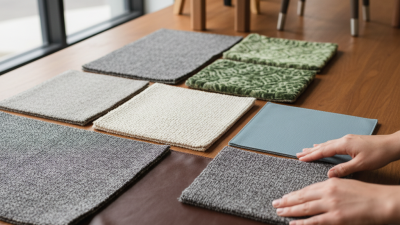
Tips: Test fabrics before deciding. Touch them to gauge texture. Visualize the colors in your space. Watch how the fabric reacts to light. Also, consider maintenance. Some materials need special care. Others are more forgiving. Remember, your choices can affect the longevity of your furniture. Make decisions that balance aesthetic and practicality.
Maintenance and Care Tips for Different Upholstery Fabrics
When it comes to upholstery, different fabrics require varying degrees of care.
Synthetic fibers like polyester are durable and stain-resistant but can trap heat.
Natural fabrics, such as cotton and linen, offer breathability but are less resistant to stains.
Industry reports indicate that around 70% of consumers prioritize fabric durability when choosing upholstery.
This means understanding care needs is crucial.
For synthetic upholstery, routine cleaning is key.
Use a vacuum with an upholstery attachment to remove dust.
A damp cloth can help wipe away stains.
Remember, avoid harsh chemicals; they can damage the fibers.
Natural fabrics require a gentler touch. Brush away dirt with a soft brush.
Spot clean with mild soap and water, but always test on an inconspicuous area first.
Ignoring care instructions could lead to fading or wear.
Every type of upholstery has unique characteristics. Some may need dry cleaning, while others can be machine washed.
Always follow garment care labels to maintain fabric integrity.
Upholstery care may seem daunting, but with simple tips, your furniture can remain in excellent condition for years.
Knowing how to properly care for your upholstery is vital.
Matching Upholstery Materials with Your Lifestyle and Aesthetic Preferences
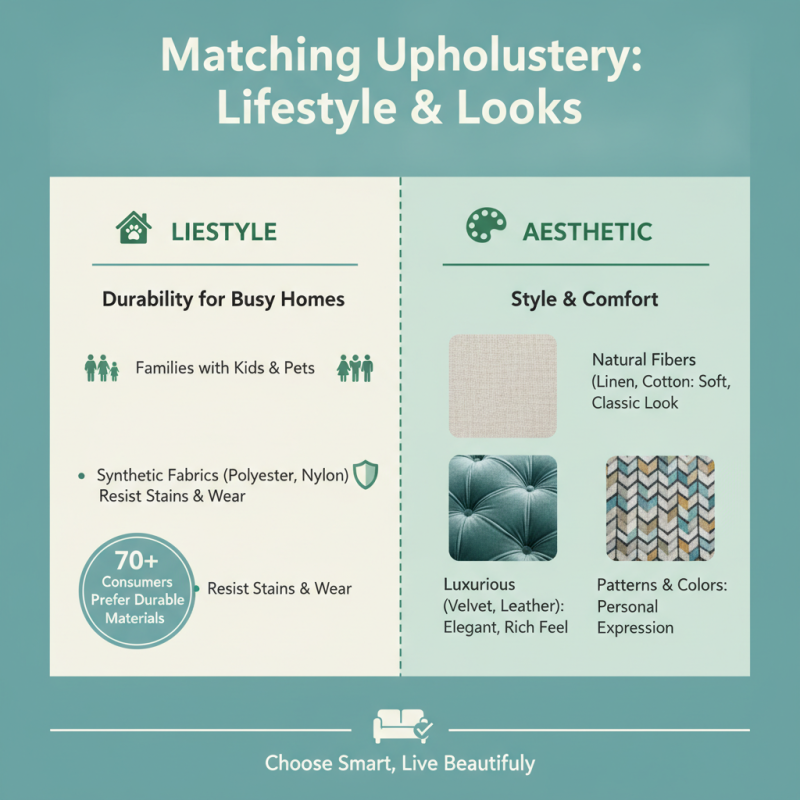
Choosing the right upholstery materials requires understanding your lifestyle and aesthetic preferences. For families with children or pets, durability is key. Synthetic fabrics like polyester resist stains and wear, making them a practical choice. According to industry reports, over 70% of consumers prefer such robust materials for high-traffic areas.
On the other hand, if you seek a more luxurious feel, natural fabrics such as cotton or linen provide a soft touch. However, they may not withstand heavy use as efficiently. A survey showed that while 60% value aesthetics, many overlook the need for practicality in their choice. Balancing beauty with function is essential.
Consider also maintenance. Some materials require special care, while others are easy to clean. In fact, about 40% of users mentioned that upkeep often influences their purchasing decision. Think about your lifestyle: do you have time for upkeep? This reflection can help align your choice with your daily routine.