Why Buy Carbonless Paper Rolls in Bulk?
Buying a Carbonless Paper Roll in bulk can reduce repeat ordering, stabilize supply, and simplify production planning. The savings are not automatic. Buyers must weigh roll price against storage space, cash tied up in inventory, and the risk of paper aging or damage. A pallet may look economical until humidity softens its edges or a core size fails to fit the printer.
Industry context matters. Smithers’ report, The Future of Global Print to 2028, tracks demand and change across print markets, while the Paperboard Packaging Council’s industry reporting highlights the importance of material performance throughout converting and distribution. These sources do not establish a universal bulk-saving rate for carbonless rolls; actual costs depend on grade, sheet count, roll width, coating, freight, and order volume. Measure those variables before comparing supplier quotes. A small trial order can reveal feed issues that a spreadsheet misses.
Bulk buying rewards careful checks. Confirm carbonless coating compatibility, roll diameter, core dimensions, packaging, and storage conditions. Ask for specifications and a sample. Keep it practical. No independently verifiable public quotation from a named Carbonless Paper Roll specialist was supplied for this introduction, so no expert quote is invented. That gap matters: trustworthy purchasing advice should separate documented evidence from sales language. A sensible order size fits real consumption, not an optimistic forecast.
What Carbonless Paper Rolls Are and How They Work
Carbonless paper rolls create duplicate or triplicate records without a separate carbon sheet. Their coated layers do the work. The back of the top sheet contains tiny dye-filled capsules, while the next sheet has a reactive coating. Pressure from a pen or impact printer breaks the capsules and transfers an image onto the sheet below. The mark appears where pressure is applied. No loose sheets.
In a three-part set, the middle sheet carries coatings on both sides, passing the image to the final copy. This makes carbonless rolls useful for receipts, service records, and order forms that need copies at the point of use. They generally require impact printing; a thermal printer alone will not create the pressure needed for transfer.
A common assumption is that every copy will look equally dark, but pressure, paper condition, and printer alignment can affect the result. Bulk purchasing can keep compatible rolls available, though storage matters: heat, moisture, and heavy pressure may damage the coatings.
Test a roll in the intended printer before ordering a large quantity. That small check can prevent faint copies and wasted stock.
Where Carbonless Paper Rolls Are Commonly Used
Why Buy Carbonless Paper Rolls in Bulk?
Where Carbonless Paper Rolls Are Commonly Used
Carbonless paper rolls are useful wherever staff need a second copy without stopping to find a separate sheet. At checkout counters, they can record customer receipts or transaction details. In restaurants and repair shops, workers may use them for order slips, service records, and payment documentation. The pressure of writing transfers information to the sheet beneath. No carbon required.
They also suit delivery desks and field teams. A driver can note quantities, signatures, or a damaged carton on a delivery record, leaving a copy with the recipient. Technicians may use roll-fed forms for work orders and maintenance visits. In warehouses, printed tickets can track items moving between receiving, storage, and dispatch. These examples depend on the printer and form layout, so compatibility matters.
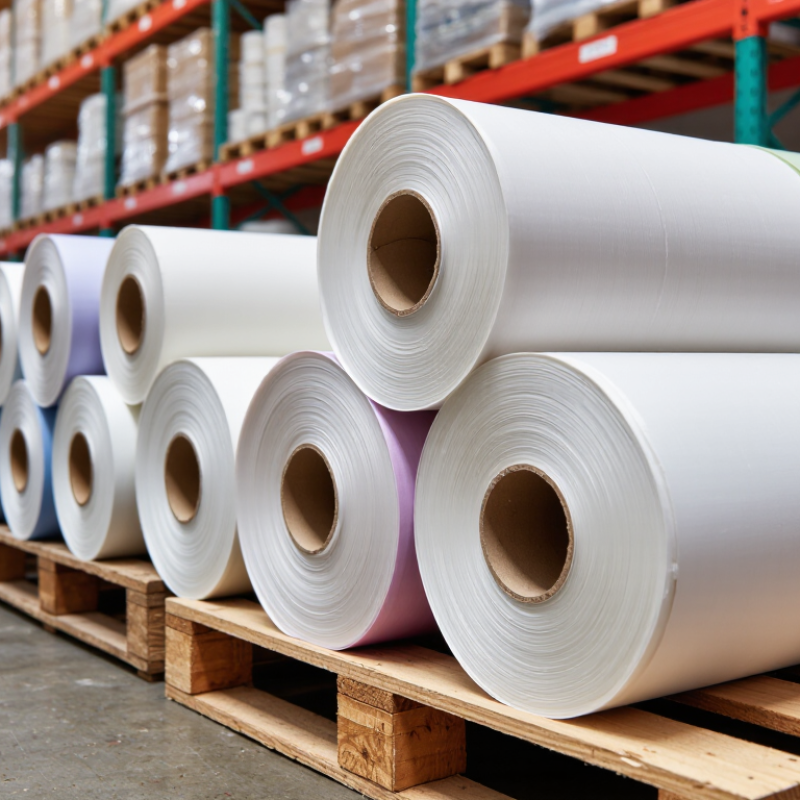
Bulk purchasing can help busy sites keep matching rolls on hand and reduce frequent reordering. Still, more stock is not always better. Coated paper can suffer if stored in damp or very hot spaces, and unused rolls may become obsolete after a form change. Check printer specifications, roll dimensions, and the number of copy layers before ordering. Small details matter. A practical trial run can reveal whether handwriting transfers clearly and feeds smoothly during a full shift.
Why Buy Carbonless Paper Rolls in Bulk?
Common uses and typical part counts for carbonless forms
Carbonless rolls are used for continuous-feed invoices, delivery notes, purchase orders, work orders, receipts, and service forms. The part counts shown are common examples, not fixed standards; requirements vary by workflow. Buying rolls in bulk can help businesses keep frequently used forms in stock and reduce how often they need to reorder.
How Bulk Purchasing Can Reduce Costs and Supply Gaps
Bulk orders can lower the delivered cost per carbonless roll. Freight is consolidated, and staff spend less time repeating purchase tasks. That helps. At dispatch desks, repair counters, and warehouse stations, a missing roll can stall forms and delay routine work. Shortages stall work. Larger orders create a practical buffer when supplier lead times shift, especially for businesses with steady, predictable usage.
The Council of Supply Chain Management Professionals’ 2024 State of Logistics Report estimated U.S. business logistics costs at $2.3 trillion in 2023, equal to 8.7% of GDP. That broad figure is not a carbonless-paper price study, but it shows why freight and replenishment deserve attention. Buying together may reduce delivery frequency and exposure to short-term price changes. Still, bulk is not automatically smarter. Excess rolls tie up cash and need dry, clean storage; dampness can damage paper and affect feeding. Storage still matters. Review monthly usage, roll dimensions, and supplier lead times before setting a bulk order. A modest reserve may be safer than filling an entire storeroom. Even careful forecasts miss sometimes.
What to Check When Choosing Carbonless Paper Rolls
When choosing carbonless paper rolls, start with the form and machine they must fit. Check roll width, core diameter, outer diameter, and winding direction against your printer or converting equipment. A roll that looks close may still feed poorly. Confirm the number of plies and the color sequence, too. For example, a white top sheet with yellow and pink copies should match the order your staff expects.
Test transfer quality before ordering a large quantity. Print a few forms and inspect the last copy, not just the top one. Fine text, handwritten pressure, and duplicate readability can reveal problems that a product sheet may not show. Check that the coating suits your printing method, and ask for consistent specifications across production lots. Small differences can matter. Test it first.
Storage deserves attention as well. Keep rolls wrapped, dry, and away from direct heat or sunlight; moisture and rough handling may affect feeding or image transfer. Bulk buying can reduce repeat orders, but only when the rolls fit your workflow and storage space. Compare usable length, packaging, and delivery intervals, rather than price alone. One detail is easy to miss: confirm how damaged or partly used rolls are handled. A sample run may not predict every machine quirk, so record results from normal production before committing to a larger order.
How to Store Bulk Rolls to Preserve Their Quality
Why Buy Carbonless Paper Rolls in Bulk?
How to Store Bulk Rolls to Preserve Their Quality
Buying carbonless paper rolls in bulk can reduce repeat orders, but only when the stock stays usable. Poor storage may cause curled edges, pressure marks, or inconsistent image transfer. Check the packaging when it arrives, and note any crushed corners or damp spots before putting rolls away.
Keep rolls in their original wrapping until needed. Store them in a clean, dry room with steady temperatures, away from windows, heaters, and water pipes. Keep them on a level shelf, not beneath heavy cartons. Keep it dry. Even light pressure can leave marks that affect later sheets. Avoid placing rolls directly on concrete floors, where moisture and dust can collect.
Let packaged rolls adjust to the room before opening them after a cold delivery. Sudden temperature changes can encourage condensation, though the risk depends on local conditions. Use older stock first, and label cartons with their arrival dates. A simple storage log may feel fussy, and busy teams often skip it. Still, recording room conditions and checking a sample roll periodically can reveal problems early. If sheets look wavy or transfer poorly, pause use and inspect the storage area before assuming the entire batch is defective.

