

Blog
Blog
Blog
China Top Barbed Wire for Sale Prices and Suppliers
China’s barbed wire market offers a wide range of products, but the lowest quote may not deliver the best value. Buyers comparing barbed wire for sale should check wire diameter, barb spacing, coil length, core-wire strength, and coating type. A galvanized coil should also be assessed for coating quality and consistent workmanship, not just its finish in a product photo.
For a reliable trade reference, the World Bank’s World Integrated Trade Solution (WITS) provides access to UN Comtrade data. Barbed wire is included under HS code 7313, alongside certain other iron or steel fencing materials, so the category does not represent barbed wire alone. That distinction matters. Trade values can indicate broader market flows, but they do not establish a current factory price or confirm a supplier’s quality. Ask for dated quotations, product specifications, inspection records, and shipping terms before comparing offers.
One limitation needs to be clear: no source material was provided for a verifiable quotation from a named barbed-wire industry expert, so attributing a quote would risk inventing evidence. This guide therefore focuses on checkable information. A careful buyer compares like with like, requests samples where practical, and confirms details in writing. A small omission can become an expensive one.
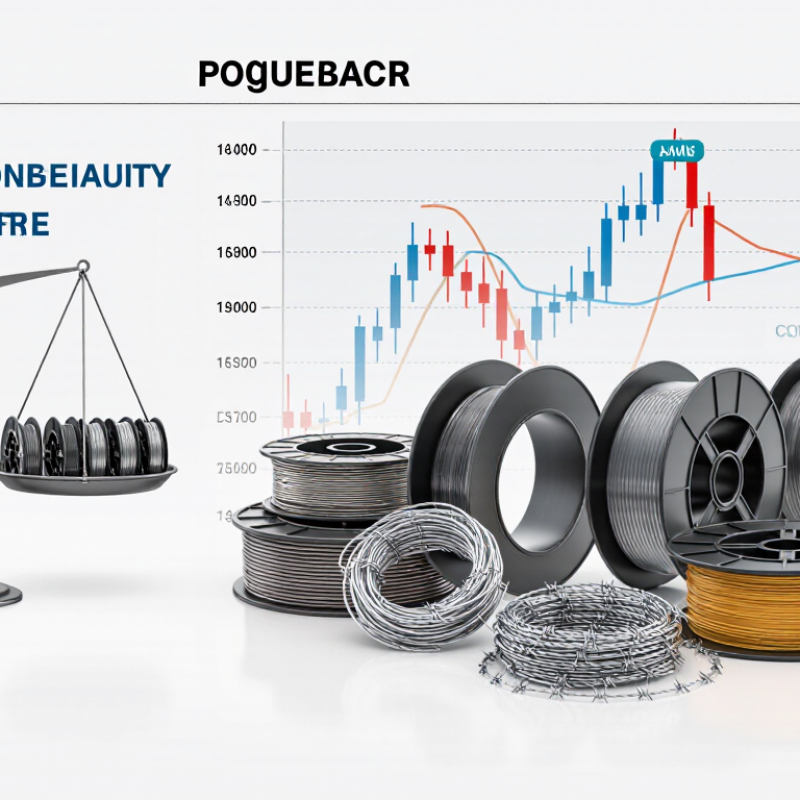
What Barbed Wire Is and How It Is Used
Barbed wire is a boundary material made from twisted steel strands with short, sharp points spaced along them. Many products use a zinc coating to slow rust, though coating quality and exposure affect service life. On a farm, it may mark a grazing boundary or help keep livestock away from a ditch or young trees. It is also used on some restricted property perimeters, where suitable barriers and warning signs are important.
The right wire depends on the animals, terrain, and expected weather. A fence crossing uneven ground may need closer inspection, since sagging strands can create gaps or catch debris. Posts must hold the tension without leaning, and the wire should be positioned to reduce accidental contact with people and animals. Wear sturdy gloves and eye protection during handling. Small details matter. Check for corrosion, loose ties, and fallen branches at regular intervals. Barbed wire is not a substitute for thoughtful site planning, and it can injure wildlife or livestock if poorly placed. That trade-off is easy to underestimate. Before choosing a product, compare strand construction, coating, and local installation requirements rather than judging by price alone.
Common Types of Barbed Wire Available from China
Common barbed wire types from China include single-strand and double-strand twisted designs. Single-strand wire is lighter and easier to handle for straightforward boundary fencing. Double-strand wire usually holds barbs more firmly under tension. Barb spacing and wire diameter affect both handling and the finished fence’s appearance. Small details matter.
Galvanized wire is a common choice for outdoor use, while PVC-coated wire adds a colored outer layer. Some suppliers also offer stainless steel options for projects requiring greater corrosion resistance, though costs can be higher. Concertina coils are another format, supplied in expanding loops rather than straight fencing strands. They suit installations designed around that form, but are not interchangeable with ordinary barbed wire.
When comparing prices, check the base metal, coating, wire gauge, barb spacing, roll length, and packing method. Ask suppliers for a specification sheet and, where practical, a sample. A low quoted price can reflect thinner wire or a lighter coating.
I would not assume one type is best for every site; exposure, fence structure, and maintenance plans all matter. Even a careful comparison can miss small specification differences, so confirm them before ordering.
How Barbed Wire Prices in China Are Determined
China Top Barbed Wire for Sale Prices and Suppliers
How Barbed Wire Prices in China Are Determined
Barbed wire prices in China mainly reflect steel rod costs, wire diameter, tensile strength, zinc coating, and order quantity. A thicker wire uses more steel per metre. Heavier galvanizing adds zinc and processing time. The World Bank Pink Sheet recorded average zinc prices of about US$2,647 per tonne in 2023, down from roughly US$3,478 in 2022. That shift can affect coating costs, but it does not translate directly into the finished-wire price. The World Steel Association reported global crude steel production of 1,892.2 million tonnes in 2023, showing the scale of the market behind a key input. Freight, packaging, and whether a quote is FOB or CIF also change the landed cost.
Tips: Compare the same wire diameter, coating specification, roll length, and trade terms. Ask for a dated quotation and a specification sheet. Check the net weight per roll; a low price can hide a lighter roll or thinner coating. Small differences matter.
One detail is easy to overlook: supplier quotations may describe coating weight differently, so compare the stated units and test method. I would not judge a quote by price alone. Request a sample or inspection record where practical, and confirm production lead time before placing a large order. These checks take time. They can still prevent costly surprises.
What to Compare When Choosing Chinese Suppliers
When comparing Chinese barbed wire suppliers, match the product specification before comparing prices. Record wire diameter, barb spacing, coil length, core-wire strength, and zinc-coating requirement. Ask for a recent test report and a sample from the quoted production batch. Check the coil’s weight and finish; uneven coating or loose winding can complicate installation. Small details matter.
Scale is not proof of consistency. The World Steel Association reported China produced 1,005.1 million tonnes of crude steel in 2024, about 53% of global output. That figure shows industrial capacity, not the quality of any individual order. Compare suppliers using the same inspection criteria, and request clear tolerances for dimensions and coating. One limitation: certificates describe tested samples, not necessarily every coil.
Compare landed cost, not just the quoted wire price. Include packaging, freight, lead time, payment terms, and replacement handling. OECD’s Steel Outlook 2025 projected global excess steelmaking capacity could reach 721 million tonnes by 2027. In a crowded market, unusually low prices deserve a closer specification check, not an automatic rejection. Ask whether quoted samples, production records, and shipping documents refer to the same order. A tidy quotation can still leave gaps.
China Top Barbed Wire for Sale: Prices and Suppliers — What to Compare
Use this suggested scoring framework to compare like-for-like quotations. The percentages are buyer-selected priorities, not market averages or supplier ratings. Check the same wire dimensions, coating, order quantity, delivery terms, and documentation when evaluating each quote.
How to Evaluate Suppliers and Place an Order
When comparing barbed wire suppliers in China, request a quotation against the same written specification. Include wire gauge, core-wire diameter, barb spacing, coil size, coating type, and required quantity. Otherwise, two prices may describe very different products. A low quote can look convincing. Check what it excludes.
Ask for recent product photos, a sample, and a clear explanation of quality checks. Confirm the material and coating details in writing, and ask how defects are handled. Reliable suppliers should answer specific questions without changing specifications between messages. Vague answers are a warning sign. They may reflect a rushed inquiry, too.
Before placing an order, review production time, packaging, payment milestones, and shipping terms. Request a pro forma invoice that matches the agreed specifications and quantity. For larger orders, consider a pre-shipment inspection or a small trial order. Barbed wire can damage packaging and injure handlers, so confirm that coils are secured and labeled for careful handling. I would not judge a supplier by price alone; overlooking one detail can create delays that are harder to fix later.
China Top Barbed Wire for Sale Prices and Suppliers - How to Evaluate Suppliers and Place an Order
The price ranges below are indicative budgeting figures for export-oriented orders, not live offers. Actual prices depend on steel and zinc costs, specifications, order quantity, packaging, and delivery terms. Request a dated quotation with a complete specification before ordering.
| Product or evaluation area | Typical specification or benchmark | Indicative price / practical check | What to confirm before ordering |
|---|---|---|---|
| Hot-dip galvanized barbed wire | Commonly supplied as two-strand wire with two-point or four-point barbs. Wire diameters often fall around 1.6–2.8 mm; barb spacing is commonly specified in millimetres. | Budgetary export range: approximately US$800–1,400 per metric tonne FOB China. Zinc coating weight and wire gauge can materially change the price. | Specify strand and barb-wire diameters, barb spacing, coating standard or coating mass, roll length, roll weight, and tolerance. |
| Electro-galvanized barbed wire | Steel wire with an electroplated zinc coating. Coating levels are generally lower than those of heavy hot-dip galvanized products. | Often quoted below comparable heavy hot-dip galvanized wire, but the coating method and measured coating mass should be stated in the offer. | Check the intended service environment and confirm the coating requirement in writing; do not compare prices without matching coating specifications. |
| PVC-coated barbed wire | Galvanized steel core with a polymer outer coating. Buyers should specify coating colour and finished diameter, as well as the core-wire diameter. | Budgetary export range: approximately US$1,000–1,800 per metric tonne FOB China; coating thickness, core material, and colour affect cost. | Ask whether the quoted diameter refers to the core or finished wire, and request details on coating adhesion and packaging protection. |
| Supplier capability | A capable supplier should provide a detailed specification sheet, production lead time, packing details, and export documentation relevant to the destination. | Compare like-for-like quotations: same wire diameter, coating, barb configuration, roll weight, quantity, and Incoterm. | Request recent product photos, a sample where practical, inspection records, and confirmation of production capacity and delivery schedule. |
| Quality and inspection | Inspection can check wire diameter, barb spacing, roll length or weight, surface finish, coating, and packing condition against the purchase specification. | Agree on inspection scope and acceptance criteria before production. Third-party inspection, if required, may add cost and time. | Confirm who arranges inspection, when it occurs, what sampling method is used, and how non-conforming goods will be handled. |
| Packaging and shipment | Rolls may be bundled or individually wrapped. Container loading depends on roll dimensions, total weight, packing method, and carrier limits. | Compare FOB, CFR, or CIF offers only after confirming the named port and what freight, insurance, and local charges are included. | Request packing dimensions, net and gross weights, container-loading estimates, shipping marks, and moisture or handling protection details. |
| Order and payment terms | A purchase order should state product specifications, quantity, tolerances, price basis, delivery schedule, inspection terms, and required documents. | Payment method and deposit terms vary. Review the complete contract and use payment arrangements appropriate to the transaction and risk level. | Approve a pre-production sample or written sample standard when appropriate, and ensure changes require written agreement. |
Ordering checklist: Send the destination country and port, required quantity, wire and barb dimensions, coating requirement, roll length or weight, packaging preference, target delivery date, and preferred Incoterm. Ask each supplier to quote against the same specification so the offers can be compared accurately.