Why Choose Food Tin Cans for Your Global Sourcing Needs?
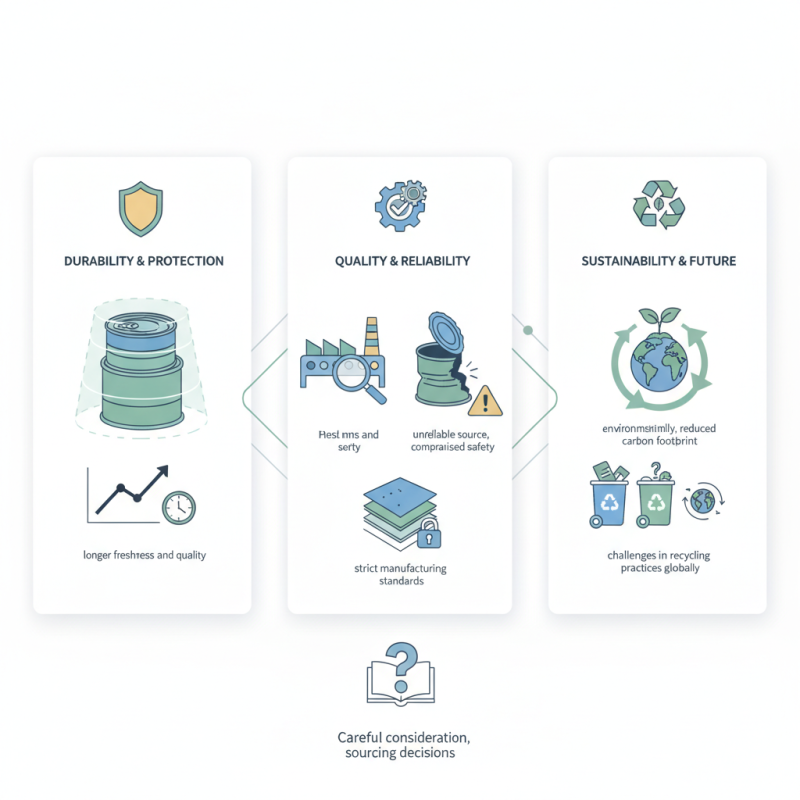
In today's global market, sourcing reliable packaging solutions is crucial. One option stands out: Food Tin Cans. These cans offer durability and protection for various food products. They can keep items fresh for longer periods, ensuring better taste and quality.
However, not all food tin cans are produced equally. It's essential to choose suppliers who adhere to strict manufacturing standards. An unreliable source can lead to compromised product safety. Thus, understanding the production process and materials used is paramount.
Food Tin Cans are also environmentally friendly. Many manufacturers are focusing on sustainability. This shift helps in reducing the overall carbon footprint. Yet, challenges remain in recycling practices around the world. As we explore these facets, it becomes clear that careful consideration is necessary when making sourcing decisions.
Benefits of Using Food Tin Cans in Global Sourcing
Food tin cans are increasingly recognized for their advantages in global sourcing. The global food packaging market reached USD 405 billion in 2023, with metal cans accounting for approximately 20% of this value. Tin cans are durable, lightweight, and offer long shelf life. Their resilience helps protect food from spoilage, ensuring quality during transportation and storage. This reliability is crucial for suppliers and retailers aiming to minimize waste.
Tip: Consider sourcing from regions with advanced canning technologies. This can enhance product quality and reduce lead times. Quality matters in global sourcing. Research indicates consumers prefer products with sustainable packaging. A survey by Nielsen found that 73% of global respondents would change their consumption habits to reduce environmental impact.
While food tin cans are beneficial, there are challenges. Not all regions have the same recycling infrastructure. Thus, sourcing responsibly is essential. Awareness of local regulations and recycling practices can significantly affect a brand's environmental footprint. Engaging with local suppliers who prioritize sustainability can contribute to a more ethical supply chain.
Durability and Preservation: The Advantages of Tin Cans
Tin cans stand out due to their exceptional durability. They withstand rough handling during shipping and storage. This resilience minimizes product damage and loss. According to industry reports, over 90% of food products in tin cans retain their quality during transit. This is crucial for global sourcing, where shipping distances can be extensive.
Preservation is another key benefit of tin cans. They provide an airtight seal that prevents contamination. A study from the Food Packaging Institute states that canned foods have a shelf life of two to five years. This longevity is vital for suppliers looking to reduce waste. The protection from light and moisture also maintains the food's nutritional value.
Tip: Always check the integrity of the can before purchase. Dents or rust can compromise safety. Consider supplier relationships that prioritize quality assurance. Regular audits can help maintain high standards. Quality matters when sourcing products in bulk; it impacts your brand’s reputation.
Cost-Effectiveness of Tin Cans in the Food Supply Chain
Tin cans offer remarkable cost-effectiveness in the food supply chain. They are durable and lightweight, ensuring reduced shipping costs. Transporting tin cans is efficient, as they stack neatly and make the most of container space. This efficiency translates into lower overall expenses for businesses.
Preserving food safely is another advantage of tin cans. They protect against contamination and extend shelf life. However, this also raises questions about sustainability. The production of tin cans involves mining and processing metals, which can have environmental impacts. Responsible sourcing and recycling programs are essential in addressing these concerns.
Using tin cans can attract consumers who value both quality and affordability. Yet, some may perceive canned food as less fresh. Bridging this perception gap requires education about the nutritional benefits of canned goods. Transparency in sourcing and production methods helps to build trust among consumers.
Sustainability and Recycling: Tin Cans' Environmental Impact
Tin cans offer a sustainable solution to food packaging. Their environmental impact is significant. Made primarily from tinplate, they are completely recyclable. In fact, recycling rates for tin cans are among the highest in the industry. This reduces the demand for raw materials and conserves energy. Using food tin cans helps minimize waste. They preserve food longer, reducing spoilage.
Tips: Always check local recycling guidelines. Not all facilities recycle food cans, even if they can. Rinse them out before recycling. This reduces contamination and increases recycling efficiency.
However, the production of tin cans carries some drawbacks. Mining for tin can lead to habitat destruction. It's essential to support responsible sourcing practices. Look for suppliers committed to ethical mining. They should adhere to sustainable practices. This guarantees that your sourcing aligns with your environmental values.
Most consumers still view tin cans as less modern. This perception can affect their acceptance. Education about their benefits is vital. Promoting awareness can help shift attitudes. Tin cans are more than just packaging; they are part of a solution for a greener future.
Environmental Impact of Food Tin Cans vs. Other Packaging Options
Meeting Global Food Safety Standards with Tin Cans
Tin cans play a vital role in global food safety. They help preserve food quality while meeting strict safety standards. These containers are made from steel and coated with tin, which prevents rusting and keeps food fresh. The airtight seal of a tin can effectively protects its contents from contamination. This makes it an ideal choice for exporting food products worldwide.
Food safety regulations can vary. Yet, tin cans consistently meet global requirements. They are rigorously tested for harmful chemicals. The production process is monitored to ensure compliance. However, challenges exist. Not all tin cans are produced equally. Some factories may overlook safety protocols, leading to potential health risks. Sourcing from reputable manufacturers is crucial to ensure quality and safety standards are met.
Using tin cans offers convenience and efficiency. They are lightweight and easily stackable, making transportation simpler. Consumers appreciate the long shelf life of canned goods. However, awareness of proper disposal and recycling methods is important. Not all regions have comprehensive recycling programs. This can lead to environmental concerns. A thoughtful approach to sourcing tin cans can help address these issues while ensuring safety in the global food supply chain.