How to Choose the Best Leather Material for Your Fashion Projects
When embarking on a fashion project, the choice of materials can significantly influence the final outcome. Among the various options available, leather material stands out for its versatility, durability, and timeless appeal. Whether you're designing a chic handbag, a stylish jacket, or unique accessories, understanding how to choose the best leather material is crucial for achieving the desired aesthetic and functionality.
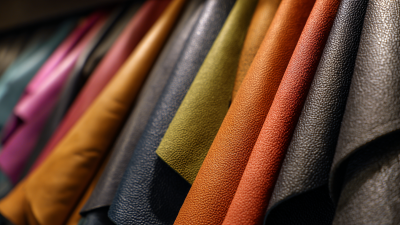
Leather material comes in various types, each with its own characteristics, textures, and finishes. Factors such as weight, grain, and treatment can dramatically affect not only the look of your creation but also its longevity and maintenance requirements. It is essential to consider the end use of your fashion piece, as different projects may benefit from different types of leather. By carefully evaluating the qualities that each leather option offers, you can make informed decisions that will elevate your designs and fulfill your creative vision.

Understanding Different Types of Leather Materials for Fashion Projects
When embarking on fashion projects, selecting the right leather material is crucial for achieving the desired aesthetic and functionality. The leather industry offers a variety of types, each with unique characteristics that cater to different needs. Full-grain leather, often regarded as the highest quality, retains the natural grain of the hide, providing durability and a rich patina that develops over time. According to the Leather Industries of America, full-grain leather constitutes approximately 30% of the global leather market, emphasizing its value among designers and consumers alike.
Another popular option is top-grain leather, which is slightly more affordable and easier to work with due to its sanded surface. This type of leather offers a slightly more uniform look while still maintaining some of the natural characteristics of the hide. Reports indicate that top-grain leather accounts for about 40% of the leather market, showcasing its popularity among fashion designers who seek a balance between quality and cost. For projects requiring a lighter and more flexible material, suede is an excellent choice. It's derived from the underside of the hide, making it soft and pliable, but can be less durable than its full-grain and top-grain counterparts, making it essential for designers to consider the end-use of their creations. Understanding these differences allows designers to make informed choices that enhance the quality and longevity of their projects.
Understanding Different Types of Leather Materials for Fashion Projects
This chart represents the suitability of various types of leather materials for fashion projects based on factors such as durability, flexibility, and cost.
Evaluating the Quality of Leather: Key Characteristics to Consider
When evaluating the quality of leather, there are several key characteristics that one must consider. Firstly, the type of leather used plays a significant role; full-grain leather, for example, is known for its durability and natural finish, showcasing unique textures and imperfections. In contrast, top-grain leather, while more uniform and smoother, may lack some of the robustness of full-grain options. Understanding these differences in types can help in selecting materials that are suitable for different fashion projects.
Another critical aspect is the leather's thickness and weight. Thicker leather tends to be sturdier and can withstand the rigors of daily use, making it ideal for items such as bags and outerwear. Conversely, lighter leather might be preferred for garments requiring more flexibility and comfort, such as skirts or shirts. Additionally, examining the tanning process is essential; vegetable-tanned leather is often favored for its environmentally friendly qualities and ability to develop a rich patina over time, while chrome-tanned varieties may offer a wider color range and softer feel. Paying attention to these attributes ensures that the chosen leather not only meets aesthetic desires but also provides longevity and functionality in any fashion venture.
Identifying the Best Leather for Specific Fashion Applications
When selecting the best leather for fashion projects, it is essential to consider the specific application of the material. Different types of leather offer unique properties that can enhance the functionality and aesthetics of your designs. For example, if you are creating a structured handbag, top-grain or full-grain leather is ideal due to its durability and ability to maintain shape. Conversely, for a soft and flowy dress, lambskin or suede can provide the desired drape and comfort.
Tips: When choosing leather, always request samples to touch and feel the texture before making a final decision. This hands-on approach helps you gauge the material’s stiffness, softness, and visual appeal, ensuring it aligns with your design vision.
Another important aspect to consider is the finish of the leather. Aniline leather offers a natural finish that showcases the hide's texture and imperfections, making it perfect for high-end, artisanal pieces. On the other hand, pigmented leather is treated for added color and scratch resistance, making it suitable for everyday wear. Understanding these options will allow you to select the ideal leather that complements your fashion project’s purpose and desired outcome.
Tips: Take note of the leather's care requirements as well. Some leathers may need special treatment to maintain their appearance, while others are more low-maintenance. Selecting leather that fits your lifestyle can save time and effort in the long run.
Sustainability and Ethical Considerations in Leather Selection
When selecting leather for fashion projects, sustainability and ethical considerations have become paramount. The fashion industry often faces criticism for its environmental impact, and the leather sector is no exception. By choosing leather that comes from sustainable sources, designers can significantly reduce their ecological footprint. This includes considering the origin of the hides, ensuring they come from animals raised under humane conditions, and that the tanning processes used are environmentally friendly. Vegetable-tanned leathers, for instance, are often less harmful to the environment compared to those treated with harsh chemicals.
Moreover, it is essential to look for certifications that guarantee ethical practices in leather production. Transparency in supply chains is crucial, as it allows consumers to make informed choices about the products they support. Designers should prioritize sourcing leather from suppliers who adhere to animal welfare standards and implement responsible farming practices. This not only promotes ethical treatment of animals but also contributes to the overall well-being of ecosystems. By incorporating these considerations into their projects, designers can create fashion that aligns with a commitment to sustainability and ethics, appealing to a growing market of socially conscious consumers.
How to Choose the Best Leather Material for Your Fashion Projects - Sustainability and Ethical Considerations in Leather Selection
| Leather Type |
Sustainability Rating |
Animal Welfare Considerations |
Environmental Impact |
Durability |
Cost |
| Full-Grain Leather |
Moderate |
High |
High |
Very Durable |
$$$ |
| Top-Grain Leather |
Moderate |
Moderate |
Moderate |
Durable |
$$ |
| Bonded Leather |
Low |
Low |
High |
Low Durability |
$ |
| Vegetable-Tanned Leather |
High |
High |
Low |
Very Durable |
$$$ |
| Synthetic Leather |
Moderate |
N/A |
Moderate |
Moderate |
$$ |
Styling Tips: Matching Leather Types with Fashion Trends
When it comes to crafting fashion projects with leather, understanding how to match different types of leather with current fashion trends is essential. For instance, if you are aiming for a sleek, modern look, consider opting for
lambskin leather. This material is soft and supple, making it ideal for fitted garments like jackets and skirts that accentuate the body's contours.
Pairing lambskin with minimalist styles allows the material's natural sheen to shine through, adding an elegant touch to contemporary outfits.
On the other hand, if you're leaning towards a more rugged aesthetic, opt for
distressed or suede leathers. These materials exude a laid-back vibe and are perfect for casual wear. Suede, with its unique texture, works beautifully with
bohemian styles and earthy tones, creating a warm and inviting appearance. Meanwhile, distressed leather adds character and an edgy feel, making it a great match for streetwear trends.
When styled correctly, these leather types can elevate everyday outfits, offering a perfect blend of comfort and style that resonates with current fashion movements.