How to Choose the Best Mini Bikes for Your Needs?
Choosing a mini bike is less about finding the fastest model and more about matching the machine to its rider, terrain, and experience. A small frame can look manageable in a showroom, yet seat height, weight, throttle response, and braking feel very different on a gravel path. Bikes Mini Bikes come in gas-powered and electric designs, with wide differences in speed, range, maintenance, and rider fit. The right choice should feel controlled, not merely exciting.
Start with the rider. Check the manufacturer’s age and weight guidance, then compare the seat height with the rider’s inseam and ability to place both feet securely. Consider where the bike will be used, how far each ride will go, and whether storage or routine upkeep matters. Look for clear specifications, dependable brakes, suitable protective equipment, and replacement parts that are easy to obtain. Small details matter. A heavy bike can be difficult to maneuver, even at low speed.
Safety data also deserves careful interpretation. The NHTSA’s Traffic Safety Facts report recorded 6,218 motorcyclist fatalities in 2022, but those figures concern motorcycles on public roads; they should not be presented as mini-bike statistics. They do underline why speed, supervision, and protective gear belong in any buying decision. Industry sales reports from the Motorcycle Industry Council can add useful context about the broader powersports market, though they do not determine which mini bike suits an individual. No chart can make that choice for you. A thoughtful comparison of fit, intended use, and verified specifications is a better starting point—and buyers may still need to reconsider their first pick after seeing the bike in person.
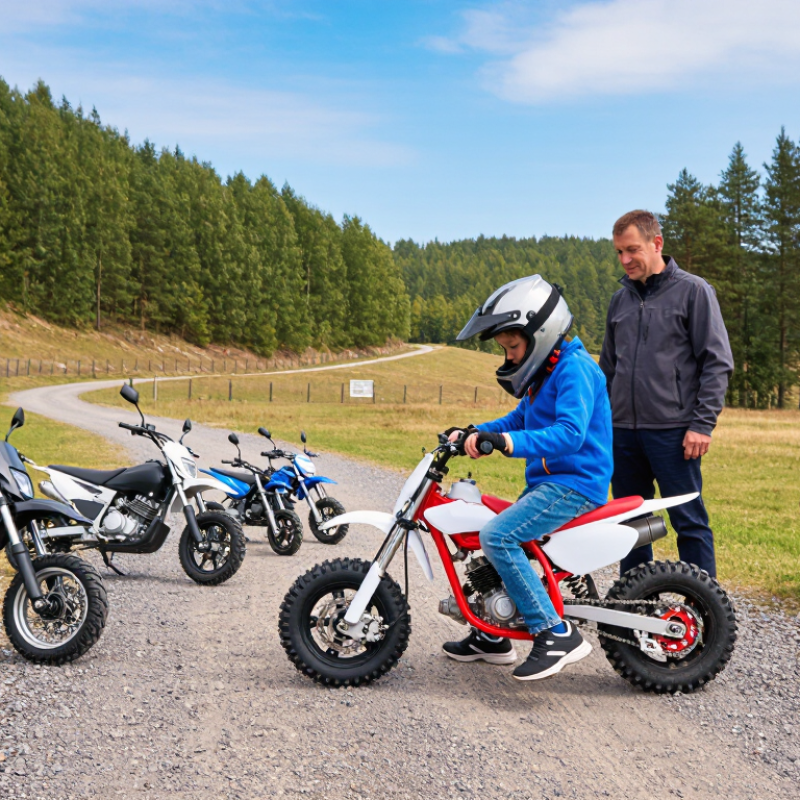
Define Your Riding Needs and Compare Common 79–212 cc Engine Sizes
Start with the riding you actually expect to do. A small, lightweight mini bike may suit a younger or newer rider on smooth, private paths. Heavier riders, gentle hills, or longer outings can call for more power. Measure the storage space, too; a bike that barely fits may become a hassle. Small details matter.
Engines around 79 cc often work best for lighter loads and modest, flat-ground use. Models near 100–125 cc offer a useful middle ground for many recreational riders, though frame design and gearing affect how they feel. A 196–212 cc engine can provide stronger pulling power for heavier loads or uneven terrain. More displacement does not automatically mean a better ride. Extra power may feel difficult to manage, and engine size alone cannot predict speed or comfort. Compare the rider’s weight limit, brakes, tires, seat height, and maintenance needs. The numbers are a starting point, not a verdict.
Tips: Match the bike to the rider, not just the trail. Check fit and controls in person when possible. Ask about routine service and replacement parts. Less can be enough. If uncertain, choose a manageable option and reassess after gaining experience.
Match Rider Weight to the Mini Bike’s Published Payload Rating in Pounds
Start with your dressed riding weight, not a guess. Include your helmet, boots, jacket, and anything you carry, such as a water bottle or small tool roll.
The CDC’s National Center for Health Statistics reported mean U.S. adult weights for 2021–2023:
199.0 pounds for men 171.8 pounds for women
These figures provide context, not a sizing rule. People vary. Weigh yourself in your riding gear.
Compare that total with the mini bike’s published payload rating in pounds. Read the manual carefully: rating definitions may differ, including how rider weight and cargo are counted. A backpack can push a near-limit load over the stated rating.
Leave a practical margin rather than aiming to match the limit exactly. Small detail. It matters.
A soft yard can feel forgiving, but bumps and braking still place demands on the bike. If the published rating or its definition is unclear, ask the seller or maker before riding.
The NCHS figures come from “Body Weight, Height, and Waist Circumference Among Adults: United States, August 2021–August 2023,” CDC Data Brief No. 508.
Compare Manufacturer-Rated Top Speeds, Often 15–30 mph
A mini bike’s advertised top speed can look like an easy way to compare models. Many manufacturer ratings fall between 15 and 30 mph. Treat that number as a reference, not a promise. Test conditions, rider weight, tire pressure, battery charge, and terrain can all affect real-world speed. A bike rated at 25 mph may feel slower on a grassy slope or with a heavier rider aboard.
Compare ratings under similar conditions whenever possible. Check whether the figure is measured on level ground and whether it describes a standard setup. Look for details about rider capacity, braking, and intended terrain, too. These details help explain whether a speed rating fits your actual use, such as riding slowly around a large private property or on a suitable track. The top number alone says little about how confidently the bike stops.
I’d put more weight on predictable handling than on chasing the highest rating. That matters. A steady 18 mph may be more useful than a claimed 30 mph if the bike feels difficult to control. I have to admit, speed figures can still be tempting; they are simple to compare, even when the testing details are thin. Wear proper protective gear, and ride only where permitted.
Check Brake, Tire, and Frame Specifications Against Your Terrain
A mini bike that feels stable on a smooth driveway may behave differently on packed dirt or uneven grass. Match its tire tread and width to the ground you ride most. Shallow tread rolls easily on pavement, while deeper grooves can add grip on loose soil. Still, aggressive tread may feel noisy and less steady on hard surfaces. Check the listed tire size, then compare it with the bike’s clearance and intended terrain.
Brake details deserve more than a quick glance. Look for the brake type, rotor or drum dimensions, and whether the controls suit the rider’s hand reach. On damp trails, stopping distance can increase, so a short test at low speed is sensible. It is easy to focus on engine power instead. That may be the wrong priority. Confirm that the brakes can be maintained locally and that replacement parts are available.
Frame specifications help reveal how a bike may handle repeated bumps. Check frame material, stated weight capacity, wheelbase, and ground clearance. A longer wheelbase can feel calmer across rough patches, but may be less nimble in tight spaces. Compare the figures with your rider’s weight and typical routes, not just the product photos. Specs do not tell the whole story; weld quality and fit are harder to judge online, so inspect them in person when possible.
Verify EPA Engine-Certification Labels and Local Off-Road Rules
Before choosing a mini bike, inspect the engine’s emissions label in person. It should identify an EPA-certified engine family and applicable model year, where certification applies. Small label, big clue. Match the label details with the seller’s paperwork or the engine maker’s documentation. If the label is missing, damaged, or hard to read, pause and ask for clarification. I once overlooked a faded label; checking it later would have saved an unnecessary trip.
An EPA emissions certification addresses emissions requirements, not where you may ride. A bike described as off-road may still be restricted on public trails, shared paths, or private land without permission. Rules can differ by county and riding area. Check with the local land manager or relevant public agency before buying, and ask about age limits, helmets, noise limits, and permitted riding hours. Get the exact model and engine details ready when you call.
Paperwork matters. Save a clear photo of the label, the receipt, and any certification documents. Ask the seller to explain any mismatch between the engine label and the listing. Don’t assume a familiar-looking sticker proves compliance. Requirements can change, and I may have missed a local exception; verify current rules for the exact place you plan to ride. A short call can prevent a long drive home with a bike you cannot use there.