

How to Choose the Best Multifilament Fishing Nets?
Choosing MULTIFILAMENT FISHING NETS is a practical decision, not a brand contest. The right net must suit the target species, fishing method, water conditions, and expected wear. Compare fiber material, twine thickness, mesh size, knot style, and hanging ratio. Then inspect the finish. Uneven knots, loose edges, or rough twine can signal problems before the net reaches the water.
The scale of the sector makes informed gear choices important. FAO’s The State of World Fisheries and Aquaculture 2024 reports that global fisheries and aquaculture produced 223.2 million tonnes of aquatic animals and algae in 2022. That figure describes the wider aquatic food system, not demand for any specific net. Still, it highlights why durable, well-matched equipment matters. A net that is too heavy may reduce handling ease; one that is too light may wear quickly under demanding conditions. Small differences matter. Check mesh consistency in good light, and ask suppliers about material specifications and repair options.
One limitation deserves attention: the materials provided do not include a verifiable quotation from a named multifilament-net specialist. I will not invent one. For a reliable buying decision, consult a qualified gear professional and request evidence for performance claims. Feel the twine. Check the seams. Compare samples under realistic conditions. The best choice is the one that fits the fishery, lasts as expected, and can be maintained—not simply the one with the strongest sales language.
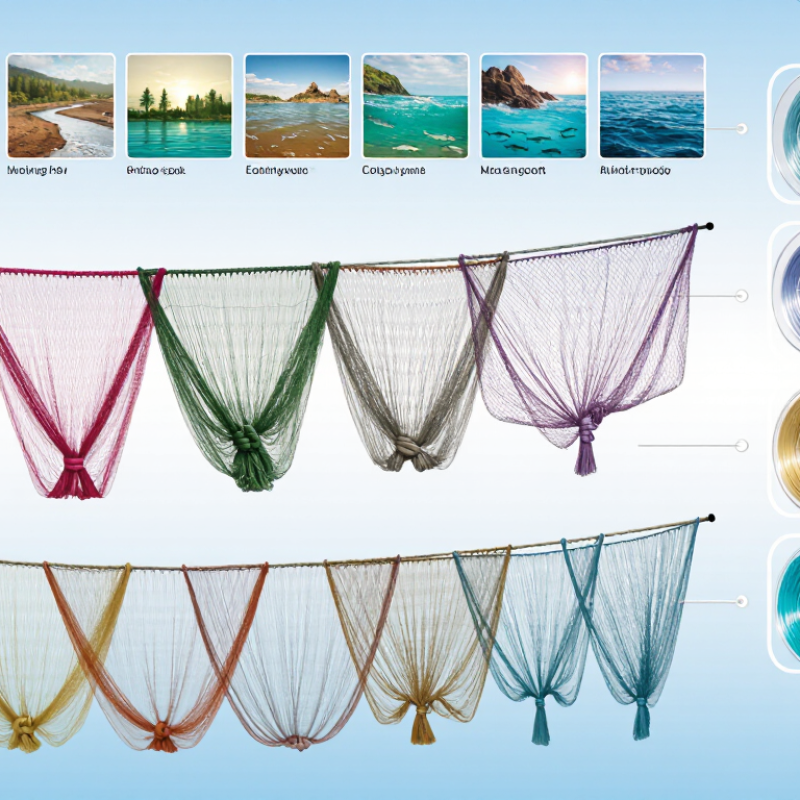
Define Target Species and Measure Mesh Opening Under ISO 16663-1
How to Choose the Best Multifilament Fishing Nets?
Define Target Species and Measure Mesh Opening Under ISO 16663-1
Start with the fish you intend to catch. Note its approximate body depth, shape, and the size range found in your fishing area. A mesh that is too small may retain unwanted catch; one that is too large may let target fish escape. These are practical tendencies, not guarantees. Fish size and net behavior vary.
Then check the mesh opening using the procedure specified in ISO 16663-1. Keep the netting in the condition required by the method, and use suitable measuring equipment and loading. Record the test conditions with the result. Do not rely on a quick ruler check across loose mesh: tension and measurement position can change the reading. A tidy number can still mislead.
Compare measured openings with your fishing needs and any applicable local requirements. If possible, test a representative section rather than judging the whole net from one opening. Multifilament knots and twine can make readings less straightforward, especially when the netting is uneven. That can be frustrating. Repeat measurements, note differences, and ask a qualified testing service when results are uncertain. The standard helps make measurements consistent; it does not decide which mesh is suitable for every species or fishery.
How to Choose the Best Multifilament Fishing Nets? - Define Target Species and Measure Mesh Opening Under ISO 16663-1
Use the guide below to shortlist a multifilament net for a defined catch and fishing method. Mesh-opening bands are illustrative starting points for trials, not universal specifications or legal limits.
| Target species | Example fish-length range | Initial clear mesh-opening band | Multifilament net considerations | What to check during trials | Measurement and compliance |
|---|---|---|---|---|---|
| Anchovy | Small schooling fish; define the local market size and minimum landing size before selecting mesh. | About 10–20 mm | Fine, relatively low-diameter twine can reduce visual profile, but must still withstand handling and the fishing ground. | Record the length distribution of retained and escaping fish; check for excessive juvenile catch and net damage. | Measure the opening consistently and confirm that the chosen mesh complies with local fishery rules. |
| Sardine | Small to medium schooling fish; use the intended landing-size range for the fishery. | About 18–30 mm | Choose twine strength and net depth for the setting method, expected current, and duration of deployment. | Compare catch size, bycatch, visibility, and abrasion after representative sets. | Keep the measured opening and measurement conditions in the net specification and inspection record. |
| Atlantic mackerel | Medium pelagic fish; select the range from local catch data rather than species name alone. | About 30–50 mm | Consider twine diameter, mesh shape, hanging ratio, and net stiffness together; each can affect fishing performance. | Check fish retention, scale loss, entanglement, and performance under the expected current and soak time. | Verify the mesh opening on the finished net and check applicable regional mesh-size requirements. |
| European hake | Medium to large demersal fish; use the legal and commercially required size range for the area. | About 50–90 mm | Use a suitable twine strength for bottom contact and handling; assess abrasion resistance as well as breaking strength. | Review retained fish sizes, unwanted catch, bottom wear, and damage at knots or panel joins. | Measure representative meshes from the net panel and document the method, results, and applicable tolerance. |
| Atlantic cod | Large demersal fish; the appropriate selection depends strongly on stock rules and the intended catch size. | About 90–140 mm | Prioritize adequate twine strength, dependable joins, and resistance to abrasion for the operating ground. | Assess size selectivity, bycatch, net deformation, and wear over repeated fishing trips. | Do not treat this example band as a legal limit; confirm current regulations for the exact fishery. |
How to apply ISO 16663-1: Use the applicable edition of ISO 16663-1 and its specified apparatus, conditioning, measurement procedure, and reporting requirements when determining mesh opening. The standard provides a measurement method; it does not prescribe species-specific mesh choices. State whether a specification refers to clear mesh opening or another mesh-size convention, since these terms and measurement bases are not interchangeable. Confirm final selection through local regulations, catch-size data, and controlled fishing trials.