How to Choose the Best Outdoor Upholstery Fabric
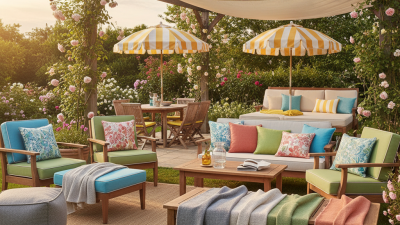
Choosing the best outdoor upholstery fabric begins with more than color, texture, or a showroom sample. Outdoor cushions face ultraviolet light, rain, humidity, dust, sunscreen, and repeated friction. Grand View Research’s outdoor furniture market analysis identifies expanding outdoor living demand as a major industry trend. That growth raises expectations for comfort and durability. A fabric must survive real balconies, patios, pool decks, and café terraces.
Look for solution-dyed acrylic, polyester, or performance blends with documented UV resistance and water-repellent treatments. Solution-dyed fibers hold color more reliably because pigment runs through the fiber, rather than sitting only on its surface. Check abrasion ratings, mildew resistance, cleaning instructions, and warranty limits. The Association for Contract Textiles recommends evaluating performance characteristics against the intended application, not relying on appearance alone. That distinction matters. A pale cushion beside a sunny pool may need stronger colorfastness than one under a covered veranda.
Sustainability also deserves careful attention. Textile Exchange’s 2024 Materials Market Report recorded global fiber production at about 124 million tonnes in 2023, with continued growth projected. Recycled content can reduce dependence on virgin materials, but it does not automatically prove longer service life. Ask for test evidence, fiber content, and care guidance. ASTM testing methods, including accelerated UV exposure procedures, can support better comparisons, though laboratory conditions cannot reproduce every climate. A fabric may look perfect on a sample and still disappoint after one harsh summer. That is why this guide considers performance, maintenance, climate, comfort, and verified documentation together. Good choices are practical, not merely attractive.
Understanding Outdoor Upholstery Fabric Performance Requirements
How to Choose the Best Outdoor Upholstery Fabric
Outdoor upholstery fabric must handle more than occasional sunshine. It faces ultraviolet exposure, rain, humidity, dust, food spills, and constant friction. Performance begins with fiber and construction. Solution-dyed fibers usually retain color better because the pigment reaches deeper into the material. A tight weave can resist abrasion, but it may reduce breathability. That trade-off matters in hot, damp climates.
Check the fabric’s documented performance data before judging its appearance. Look for tested colorfastness, abrasion resistance, water repellency, and mildew resistance. Water-resistant does not mean waterproof. Rain can still enter through seams, cushions, or unprotected foam. Choose breathable upholstery when cushions remain outdoors, and provide drainage beneath them. Light colors may feel cooler, yet they can reveal stains quickly. Dark shades often hide marks but may become hotter in direct sun.
Tips: Rub a damp white cloth across a sample. Watch for dye transfer. Leave the sample outside for several days, including one wet night, if possible. Test the cleaning method on an unseen area. Avoid assuming that a high performance rating solves every problem. No fabric is perfect. Heavy use can still create pilling, stretching, or faded edges. Review the care instructions, fabric weight, seam placement, and cushion design together. A beautiful textile may fail when paired with poor ventilation or standing water. The best choice matches the furniture’s location, maintenance routine, and expected daily use.
How to Choose the Best Outdoor Upholstery Fabric - Understanding Outdoor Upholstery Fabric Performance Requirements
Performance values are typical industry ranges and can vary according to yarn construction, fabric weight, coating, finishing, color, and test conditions.
| Fabric Type |
Typical Outdoor Suitability |
UV and Color-Fade Resistance |
Water and Moisture Performance |
Abrasion Resistance |
Drying and Mildew Considerations |
Best Application |
| Solution-Dyed Acrylic |
Excellent for exposed outdoor seating and cushions |
Very high; pigment is integrated into the fiber, helping reduce fading from sunlight |
Usually available with water-repellent finishes; not automatically waterproof |
High; commonly suitable for frequent residential use |
Dries relatively quickly; mildew generally grows on dirt and moisture rather than on the fiber itself |
Patio furniture, poolside seating, dining cushions, and marine-adjacent use |
| Solution-Dyed Polyester |
Good for moderate to high outdoor exposure |
Good to very high when solution-dyed; performance depends strongly on color and construction |
Good water repellency when treated; some constructions may absorb moisture |
High; strong synthetic fiber with good resistance to everyday wear |
Generally dries quickly; keep clean and ventilated to limit mildew growth |
Outdoor sofas, dining chairs, umbrellas, and general-purpose cushions |
| Olefin |
Good for covered patios and normal outdoor use |
Good; inherently low moisture absorption helps support outdoor performance |
Very low moisture absorption; usually dries quickly |
Good to high, although some constructions may have lower resistance to surface abrasion |
Fast drying; regular cleaning is still needed because mildew can grow on accumulated organic debris |
Casual seating, cushions, rugs, and shaded or partially exposed areas |
| Vinyl-Coated Polyester |
Very good for high-moisture and easy-clean environments |
Good when formulated for outdoor use; prolonged heat and sunlight may affect the coating over time |
High surface water resistance; seams and needle holes may still allow water entry |
High; suitable for heavy-use seating when the coating is properly specified |
Low absorption and easy cleaning; avoid prolonged damp storage and harsh chemicals |
Boat seating, pool furniture, outdoor dining, and commercial hospitality areas |
| Textured Acrylic Blend |
Good for decorative outdoor furniture and covered spaces |
Moderate to high, depending on the proportion of solution-dyed synthetic fiber |
Moderate to good; confirm whether the fabric has a durable water-repellent finish |
Moderate to high; texture can influence snagging and surface wear |
Usually dries well, but thicker textures may retain moisture longer |
Covered patios, decorative cushions, and low-to-moderate use seating |
| Indoor Cotton or Linen |
Not recommended for unprotected outdoor exposure |
Low to moderate; natural fibers can fade and weaken under prolonged sunlight |
Absorbs moisture readily and may stain, shrink, or develop water marks |
Varies, but generally less suitable for demanding outdoor upholstery |
Slow drying in damp conditions; higher risk of mildew if ventilation is poor |
Indoor furniture or fully protected, temporary outdoor use |
Key Selection Checks:
Look for documented UV-resistance testing, abrasion results, water-repellent performance, colorfastness, seam construction, cleaning instructions, and the fabric’s recommended exposure level before making a final selection.
Comparing Fabric Fibers, Weaves, and Weather Resistance
Outdoor upholstery must balance touch, structure, and exposure. Fiber choice sets the baseline. Solution-dyed acrylic usually handles strong sunlight well because color runs through the fiber. Polyester offers good fading resistance, though cheaper grades can become brittle over time. Olefin resists moisture and stains, making it useful near pools or damp patios. Cotton feels inviting but absorbs water quickly and needs more careful protection. Blends can improve comfort, yet the weaker fiber may limit the fabric’s lifespan.
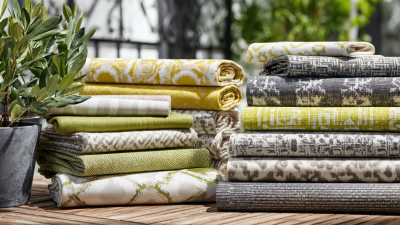
Weave matters as much as fiber. A tight plain weave blocks some dust and sheds light rain, while a basket weave feels softer but leaves larger openings. Textured surfaces hide dirt, but they can hold moisture after a storm. For windy, exposed seating, inspect the reverse side and seam construction. A dense backing can reduce stretching and protect cushion foam from damp air.
Weather resistance is not a single rating. Look for tested lightfastness, water repellency, abrasion performance, and mildew resistance. Still, no fabric is maintenance-free. I once favored a beautiful loose weave and underestimated coastal moisture. It looked fine at purchase, but the cushions dried slowly and developed an unpleasant odor. That mistake changed my selection process. Request a sample, place it outdoors for several weeks, and check fading, stiffness, and drying time. Also rub it with a clean, damp cloth. A fabric that performs on paper may feel disappointing in real weather.
Evaluating Colorfastness, Water Resistance, and Mildew Protection
Outdoor upholstery faces sun, rain, spills, and trapped humidity every day.
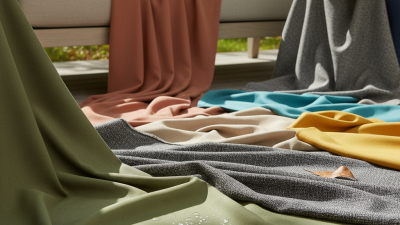
Colorfastness deserves more than a showroom glance. I place a fabric swatch in direct afternoon light for several weeks, turning it halfway through the test. This simple comparison reveals uneven fading, especially in deep reds and saturated blues. Check the fabric rating, but treat it as guidance, not a promise. Nearby walls, shade, and seasonal sunlight can change real results. Solution-dyed fibers often maintain color better in strong sunlight.
Water resistance is useful, but it does not mean waterproof.
Sprinkle clean water on the surface and watch the droplets. They should bead briefly instead of soaking in immediately. Still, seams and cushions can absorb moisture quickly. I prefer covers that dry within a few hours after light rain. Dense foam may feel comfortable, yet it can hold hidden water for days. That is where mildew begins. My first fabric choice looked excellent, but its cushion dried too slowly. I missed that detail.
Mildew protection depends on more than a chemical treatment.
Choose breathable fabric, raised seating, and removable cushions with drainage underneath. Clean dirt and sunscreen residue before they become a damp film. Never assume “mildew-resistant” means mildew-proof. It does not. Inspect shaded corners regularly, especially after humid weather. A fabric may pass a laboratory test and still struggle on a poorly ventilated patio. Real conditions are less tidy.
Matching Fabric Features to Furniture Type and Outdoor Conditions
How to Choose the Best Outdoor Upholstery Fabric
Matching fabric features to furniture type and outdoor conditions matters more than color. Deep lounge cushions need breathable, quick-drying fabric with strong abrasion resistance. Dining chairs need a tighter weave and easier stain removal. Sling chairs require dimensional stability, not soft cushion fabric. For coastal balconies, choose solution-dyed fibers, corrosion-resistant thread, and drainage-friendly foam. Salt, wind, and sunlight are relentless.
The U.S. Environmental Protection Agency’s Climate Change Indicators report states that very heavy precipitation increased by 24% in the contiguous United States between 1958 and 2022. That figure supports choosing water-shedding surfaces and fast-drying cushion systems in wet regions. ASTM D4966 abrasion testing can help compare wear resistance, while ASTM G154 evaluates accelerated UV and moisture exposure. These tests are useful, but they cannot perfectly reproduce every patio.
Tips: Match performance to placement. Use breathable mesh for covered loungers, tougher woven fabric for busy dining areas, and removable covers for cushions stored during storms. Check the manufacturer’s test results, cleaning instructions, and colorfastness rating. I sometimes choose a darker fabric for a sunny terrace, expecting it to hide dirt. That can be a mistake. Dark colors may feel hotter and show fading sooner. Test a small swatch outdoors for several weeks. Real weather reveals weaknesses that a showroom cannot.
How to Choose the Best Outdoor Upholstery Fabric
Matching fabric features to furniture type and outdoor conditions
How to read this chart: The suitability scores are comparative ratings from 1 to 5 based on widely recognized outdoor-fabric requirements: UV resistance, moisture and mildew resistance, abrasion durability, and ease of maintenance. Higher scores indicate a better match for the listed furniture type and exposure level.
High-exposure seating benefits from solution-dyed acrylic because the color is integrated into the fiber, while polyester blends can be a practical choice for covered patios and moderate use. Breathable, quick-drying fabrics are especially important for cushions in humid or frequently wet locations.
Checking Maintenance Needs, Safety Standards, and Long-Term Value
How to Choose the Best Outdoor Upholstery Fabric
Outdoor fabric should fit the maintenance routine you can honestly maintain. Check cleaning instructions before admiring color or texture. Some materials tolerate mild soap and water, while others require careful spot cleaning. Look for resistance to fading, mildew, staining, and abrasion. A tightly woven surface usually blocks grit better than a loose decorative weave. Ask for written test results, not vague claims. Relevant evaluations may include colorfastness, abrasion resistance, water repellency, and flammability performance.
Tips: Request a sample first. Leave it outside for several weeks. Wipe it after rain, dust, and spilled drinks. Notice drying time, texture changes, and fading. Test stitching and zippers too. They often fail before the fabric.
Safety standards deserve equal attention. Confirm that the fabric’s performance suits the furniture’s location, especially around cooking areas or enclosed outdoor rooms. Requirements can vary by region and application, so verify current local guidance with a qualified supplier or safety professional. Do not assume “outdoor” means fire-resistant. It does not. A proper warranty should explain exclusions, cleaning limits, and expected service conditions. Long-term value means more than a low purchase price. A durable fabric may cost more initially, yet reduce replacements and labor. Still, durability is not guaranteed. I once underestimated how quickly pale fabric would show pollen and bird residue. Shade, ventilation, and regular care matter more than many product descriptions admit.