

Blog

blog

Blog

blog

Blog

blog

How to Choose the Best Toddler Tennis Shoes in 2026

Choosing Toddler Tennis Shoes in 2026 is about fit, movement, and the child’s actual day—not just color or brand. A shoe should feel secure without squeezing small toes. It should bend near the ball of the foot, grip the ground, and stay comfortable through playground stops, short runs, and wobbly first steps. Pediatric podiatrist Dr. Tracy Byrne is often quoted as saying, “Children’s feet are not just small versions of adult feet.” That reminder matters when comparing toddler shoes: growing feet need room and flexibility, not miniature versions of adult court shoes.

Check both feet while your toddler is standing. Leave a little space in front of the longest toe, and make sure the heel does not slip with each step. Feel inside the shoe for rough seams or a raised edge. Small details count. A child who keeps tugging at a strap may be telling you something the size label cannot.

This guide looks at practical features, including toe-room, closures, sole grip, materials, and easy cleaning. It also explains how to check fit at home and when to replace a pair that has become tight or worn. No checklist can replace watching your child walk in the shoes. And, honestly, toddlers may refuse the pair you carefully chose. Comfort is the goal; perfection is harder to promise.
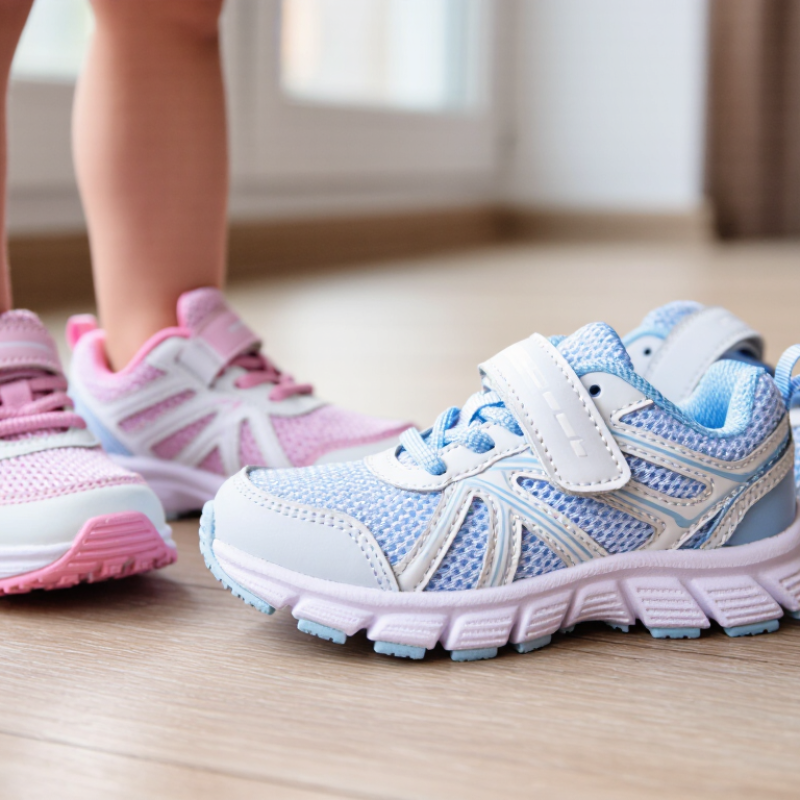
How to Choose the Best Toddler Tennis Shoes in 2026

Define Play Needs: WHO Recommends 180 Daily Activity Minutes for Ages 3–4

For ages 3–4, shoe choice should start with the child’s actual play, not a label such as “tennis.” The World Health Organization’s 2019 movement guidelines recommend at least 180 minutes of physical activity each day, including 60 minutes of moderate-to-vigorous activity. That time may include chasing a ball, climbing, and short bursts on a court. Little legs move in many directions. Notice where your child plays and how often they stop, turn, or run on hard surfaces.

A suitable shoe should stay secure during quick turns without squeezing toes. Check the fit while your child stands: toes need room to spread, and the heel should not slip with each step. Feel inside for rough seams. Check the sole for grip, but avoid a stiff design that makes natural movement awkward. Small details matter. WHO’s recommendation describes total daily movement, not 180 minutes of tennis; toddlers need varied, age-appropriate activity and breaks. And shoe fit is not an exact science. Recheck after growth spurts, since a pair that felt fine last month may now press against the toes.

Measure Both Feet and Allow About 1 cm of Toe Space

Measure both feet while your toddler is standing, ideally later in the day. Feet can differ in length, so fit shoes to the larger one. Press gently at the front: about 1 cm of space beyond the longest toe gives room to move without letting the foot slide. Check the inside length too; a soft toe box can make a shoe feel roomy when it is not. Small detail, big difference. NHS podiatry guidance recommends checking young children’s feet every 6–8 weeks, a useful reminder that last month’s fit may already be gone.

For tennis shoes, check the fit with the socks your child will wear on court. Ask them to wiggle their toes, then watch a few quick steps and gentle turns. The heel should stay put, and the toes should not press against the front when the foot slides forward. The American Podiatric Medical Association’s children’s shoe guidance also emphasizes proper fit and room for toe movement. One centimetre is a practical target, not a perfect rule: toe shape and shoe construction vary. I would recheck after activity, when feet may feel fuller. And if your child cannot explain where a shoe pinches, that makes the standing-and-walking check more important.

Match Grip to Court Type; USTA Counted 23.8M U.S. Tennis Players in 2023

USTA counted 23.8 million U.S. tennis players in 2023, a useful sign of tennis’s reach—not a measure of toddler participation. That distinction matters. A busy sport does not make a small child’s shoe choice simple. For toddlers, a secure fit and age-appropriate play matter more than copying adult gear.

Court surface should guide grip.

On hard courts, look for a flexible rubber outsole with broad, dependable contact; toddlers need traction without a stiff, heavy feel. Clay can be slippery under loose grit, so a patterned sole that sheds debris may help. Grass is less common in beginner lessons, and wet surfaces raise fall risk. Skip play if footing feels slick. Grip is not a cure-all.

Before buying, check that toes can wiggle and the heel stays put during a few supervised steps. A shoe that pinches at the store will not improve on court. Recheck fit often, since little feet grow quickly. Secure closures may be easier for many families than laces that loosen. The 23.8 million-player figure can encourage families to explore tennis, but it should not pressure a toddler into long sessions. Some children will stop, wander, or simply prefer chasing balls. That is normal. Even a well-chosen shoe cannot replace close supervision, short play periods, and a surface suited to the child’s balance.

Check Flex, Heel Security, and Comfort With a Short Wear Test

How to Choose the Best Toddler Tennis Shoes in 2026

A quick wear test can reveal more than a shoe’s appearance. Try it with the socks your child usually wears, and check both feet while they stand. Press the sole gently near the ball of the foot. It should bend there without collapsing in the middle. Too stiff? Keep looking. A toddler should be able to walk and squat naturally, without dragging a toe or taking unusually short steps. Watch for a heel that lifts with every step, but don’t tighten the straps so much that they leave marks.

Let your child walk indoors for ten to fifteen minutes on a clean, level surface. Check for slipping, pinching, or repeated attempts to pull the shoes off. After removing them, look for lasting redness around the heel, toes, or sides of the foot. A little movement is normal; persistent rubbing deserves attention. Have your child walk, turn, and pick up a toy, since straight-line steps may miss a problem. One short test cannot predict every playground session, and toddlers may not explain discomfort clearly. That’s worth remembering. If the fit seems uncertain, recheck the size and ask a qualified children’s footwear professional for guidance.

How to Choose the Best Toddler Tennis Shoes in 2026 - Check Flex, Heel Security, and Comfort With a Short Wear Test

What to Check How to Test A Good Sign A Reason to Reconsider
Fit and toe room Check the fit while your child is standing, with the socks they will usually wear. Feel in front of the longest toe and check that the toes can move. Toes are not pressed against the front or sides, and the shoe does not look excessively long or wide. Toes are cramped, the foot spills over the sole, or the shoe slips noticeably because it is too large.
Forefoot flex Gently bend the shoe by hand, then watch your child walk. Check where the shoe bends and whether the child can move naturally. The shoe bends around the ball of the foot and does not feel rigid during ordinary steps. The sole is difficult to bend at the forefoot, or the shoe folds easily through the middle instead of supporting the foot.
Heel security Fasten the shoe as intended and watch a few steps, turns, and gentle stops. Look for the heel lifting inside the shoe. The heel stays comfortably in place without needing the fastening pulled painfully tight. The heel repeatedly slips, or the fastening causes pressure or discomfort when adjusted to reduce slipping.
Fastening and adjustability Open and close the fastening, then check that it holds the shoe securely around the foot. The fastening is easy for an adult to secure and allows a comfortable, even fit. The shoe is difficult to fasten, comes loose during movement, or leaves pressure points.
Weight and movement Let your child walk, turn, and pick up a foot while wearing both shoes. Your child moves naturally and does not drag, kick off, or repeatedly adjust the shoes. Your child seems hindered by the shoes or has to change their usual walking pattern.
Grip and sole contact On a clean, dry indoor surface, observe walking and gentle turns. Do not deliberately test the shoe on slippery flooring. The sole makes steady contact and the child can move without unexpected slipping. The sole slides on the test surface or feels awkward during ordinary movement.
Comfort during a short wear test Have your child wear the shoes indoors for about 10–15 minutes while walking and playing gently. Ask how they feel and observe their behavior. Your child appears comfortable and does not repeatedly remove, rub, or complain about the shoes. There is persistent rubbing, redness, pinching, discomfort, or a strong desire to take the shoes off.
Fit after removal After the short test, check the skin for marks and ask whether any area felt uncomfortable. No persistent red marks or signs of pressure are apparent. Redness, rubbing, or pressure marks remain, or your child identifies a specific painful spot.
Practical tip: Shoe fit can vary by foot shape and sock thickness. Use the standing fit check and your child’s comfort together; stop the test if the shoes cause pain. This checklist is a general comparison guide, not a medical assessment.

Recheck Fit as Feet Grow and Activity Needs Change

A toddler’s shoe fit can change before the shoes look worn. Check both feet every month or two, and sooner after a growth spurt. Have your child stand while you feel for space at the longest toe; about a thumb’s width is a useful guide, not a rigid rule. Feet may differ in size, so fit the larger one.

Look beyond length. The heel should stay in place during a few walking steps, while the toes can spread and wiggle. After play, check for red marks that linger, rubbing, or a new reluctance to walk. These signs do not prove a shoe is wrong, but they deserve attention. I may have relied too much on the printed size before; a quick fit check tells more.

Activity needs shift, too. Shoes worn for indoor lessons may not grip well on a damp playground, while bulky soles can feel awkward during everyday walking. Match the sole and flexibility to where your toddler moves most, then reassess as routines change. Ask your child how the shoes feel, but remember that young children may not describe discomfort clearly. Watch them walk. Notice a new shuffle, frequent tripping, or toes curling inside the shoe.