How to Choose the Best Upholstery Canvas for Your Project?
Choosing the right upholstery canvas can significantly impact your project’s outcome. According to renowned fabric expert Jane Collins, “Quality upholstery canvas can breathe life into any piece of furniture.” Her experience in fabric selection underscores the importance of understanding various canvas options available in the market.
Upholstery canvas comes in various textures, weights, and colors. Each choice can affect the durability and appearance of your finished work. It’s essential to consider factors like stain resistance and ease of cleaning. Every choice in fabric tells a story about functionality and style. Some fabrics may look exquisite but may not hold up to daily use.
Selecting upholstery canvas requires thoughtful reflection on functionality and design. It’s easy to get lost in the visual appeal. However, considering wearability is equally crucial. Experts often emphasize the balance between aesthetics and practicality. A well-chosen upholstery canvas can elevate your project from ordinary to extraordinary, making informed selection vital for long-lasting results.
Understanding the Different Types of Upholstery Canvas Materials
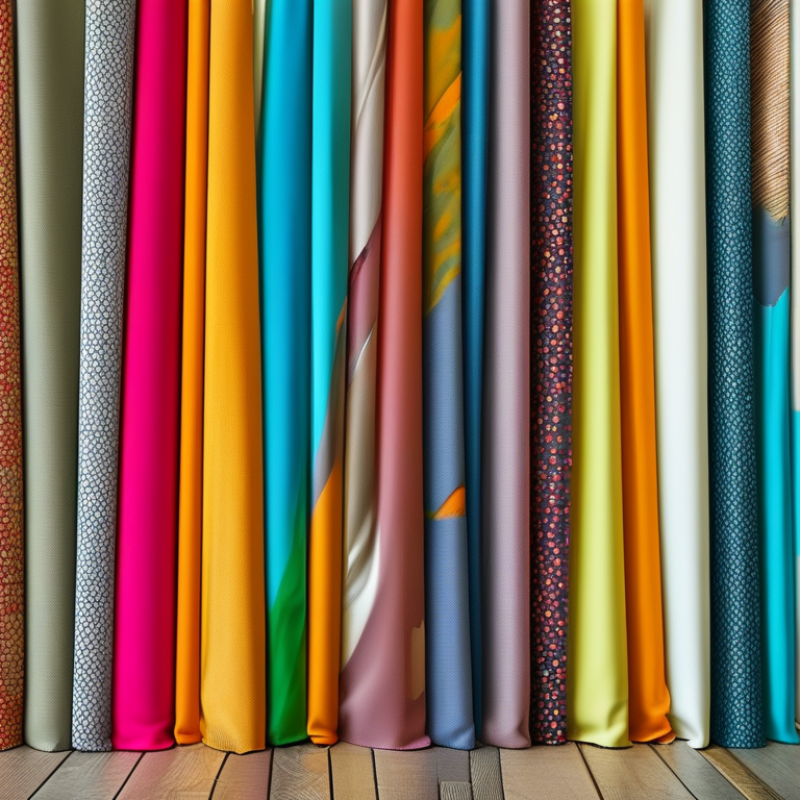
When selecting upholstery canvas, understanding material types is crucial. Common canvas materials include cotton, linen, polyester, and blends. Cotton canvas is soft, making it a popular choice for home decor. It is breathable but less durable than synthetic options. Polyester, on the other hand, is stain-resistant and durable, making it ideal for high-traffic areas. According to industry reports, polyester upholstery has become increasingly favored, with a market growth rate of over 5% annually.
Linen offers a luxurious look and feel, but it requires careful maintenance. It's best for low-traffic spaces due to its tendency to wrinkle and stain. Blended materials combine features of both cotton and synthetic fibers, providing a balanced option for various projects. These fabrics can offer enhanced durability while maintaining comfort. Industry research indicates that blends can perform 30% better in terms of longevity than pure fabrics.
When choosing material, consider the intended use. A heavy-duty canvas is better suited for upholstery in busy areas. Lighter fabrics might work well for occasional use. Think about care requirements, as some materials demand more upkeep. Experimenting with samples can help decide which fabric best matches your requirements and aesthetic preferences. Insight from interior design professionals emphasizes hands-on experience in selecting the right fabric for specific applications.
Types of Upholstery Canvas Materials
Evaluating the Durability and Maintenance of Upholstery Canvas
When choosing upholstery canvas, durability is key. A study by the Fabric Manufacturers Association reveals that 80% of upholstery failures stem from fabric weakness. This highlights the importance of selecting a canvas that can withstand wear and tear. Look for abrasion resistance ratings. Generally, a rating of 15,000 double rubs is considered good for residential use.
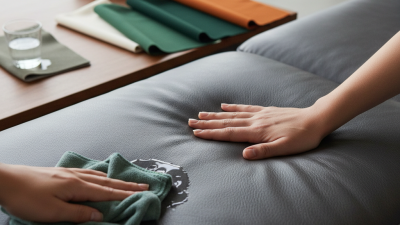
Maintenance is equally crucial. Fabrics treated with stain-resistant finishes simplify cleaning. According to research, a treated canvas can last up to 25% longer than untreated versions. Additionally, consider the ease of cleaning. Some fabrics are machine washable, while others require special care. Regular maintenance extends the life of your upholstery canvas.
However, not every durable fabric is easy to maintain. Some highly durable options may demand more care than expected. This is a common oversight. Evaluating both durability and maintenance requirements is essential for long-term satisfaction. A well-informed choice can enhance both the aesthetics and functionality of your project.
Considering Color, Texture, and Pattern for Your Project
When selecting upholstery canvas, color, texture, and pattern are key factors. Color sets the mood for your space. Neutral tones create calmness. Bright colors energize a room. Think about how the color interacts with existing decor. Sometimes, the right shade is challenging to find. Testing swatches in different lighting can be revealing.
Texture also plays a crucial role. A soft, tactile fabric invites touch, while a rugged texture can evoke warmth and coziness. Depending on your intended use, consider durability. Not all textures are created equal. Some may wear out quickly, leading to frequent replacements. Taking the time to feel different fabrics can lead to surprising discoveries.
Patterns have a significant impact on style and function. Bold patterns can become focal points, but they may overwhelm a small space. Subtle patterns can add depth without distraction. Assessing pattern scale matters, too. Large patterns work well on bigger furniture pieces. Smaller patterns suit delicate accents. Sometimes, mixing patterns is necessary. This can be a delicate balance that requires thoughtful consideration.
Sizing and Cutting Techniques for Upholstery Canvas
Choosing the right upholstery canvas isn’t just about aesthetics. It involves precise sizing and cutting techniques to ensure a perfect fit. Start by measuring the area you plan to cover. Use a measuring tape for accuracy. It's essential to consider the pattern alignment if your canvas has one. Mark these measurements clearly on the back of the fabric to avoid mistakes during cutting.
Cutting techniques can vary, but using a rotary cutter can offer better precision compared to traditional scissors. Make sure to keep your cutting mat underneath for a clean cut. Always cut with a straight edge for the most uniform results. When working with heavy canvas, consider using weights to hold the fabric down. This can prevent slipping and ensure accuracy.
Remember that mistakes can happen. If you cut too small, you may need to start over. Take your time with each measurement and cut. Assess if the pieces are aligned correctly before making any final cuts. Rushing this process can lead to frustration and wasted material. As you practice, you’ll become more skilled in handling upholstery canvas.
How to Choose the Best Upholstery Canvas for Your Project? - Sizing and Cutting Techniques for Upholstery Canvas
| Canvas Type |
Durability |
Weight (oz) |
Width (inches) |
Best Use Cases |
| Cotton Duck |
Medium |
10-12 |
54 |
Upholstery, Bags |
| Canvas Duck |
High |
12-16 |
60 |
Outdoor Furniture, Tents |
| Linen Canvas |
Medium |
6-8 |
54 |
Soft Furnishings, Curtains |
| Synthetic Canvas |
Very High |
8-12 |
60 |
Marine Upholstery, Heavy Use |
Budgeting: Finding Quality Upholstery Canvas Within Your Price Range
When budgeting for upholstery canvas, quality should remain a priority. The market offers a variety of options, yet not all fabrics are suitable for every project. According to a report by the Upholstery Fabric Association, high-quality canvas can significantly enhance the durability and appearance of your finished work. However, budget constraints can complicate choices.
Research indicates that the average cost of upholstery canvas ranges from $5 to $30 per yard, depending on factors like materials and weave. Natural fibers may come at a premium, but they offer better resilience. If opting for synthetic blends, they may save you some cash but can lack the same longevity. Be wary of low-cost options that might lead to additional expenses later on.
It's essential to weigh your options carefully. Consider the specific needs of your project. Ask yourself if a cheaper fabric will meet performance expectations in the long run. Many DIY users overlook these aspects, only to find themselves reupholstering sooner than anticipated. Balance your budget with a commitment to quality; sometimes, spending a bit more upfront can save you efforts and costs later.