

Blog
Blog
Blog
How to Choose a Metal Pill Container Supplier?
Choosing the right Metal Pill Container supplier affects product protection, user confidence, and long-term operating costs. The decision involves more than comparing prices. A reliable supplier should understand metal quality, internal coatings, closure performance, and pharmaceutical packaging expectations.
Dr. Elena Marquez, a pharmaceutical packaging engineer, states, “A container is only trustworthy when its material, seal, and supply records support the product inside.” This principle guides the evaluation process. Buyers should request material specifications, coating information, production samples, and inspection records. A practical test matters. Fill a sample container, close it repeatedly, and inspect the threads, hinge, or snap closure. Look for sharp edges, loose lids, odor, rust marks, or damaged lining.
Supplier experience also deserves close attention. Ask whether the factory manages consistent wall thickness, clean forming, accurate dimensions, and dependable batch traceability. Confirm available certifications and quality procedures before discussing large orders. Packaging needs can vary. A compact container for daily tablets may require a different design from one used for travel, supplements, or moisture-sensitive products. Child-resistant features may also be necessary for certain applications.
Price still matters, but the lowest quotation can become expensive after delays, rejected samples, or inconsistent finishes. This is easy to overlook. A careful supplier should communicate minimum order quantities, tooling fees, lead times, replacement policies, and shipping protection clearly. No supplier is perfect. Even a strong factory may need improvement in communication or customization speed. The best choice balances verified quality, responsive service, production capacity, and honest documentation.
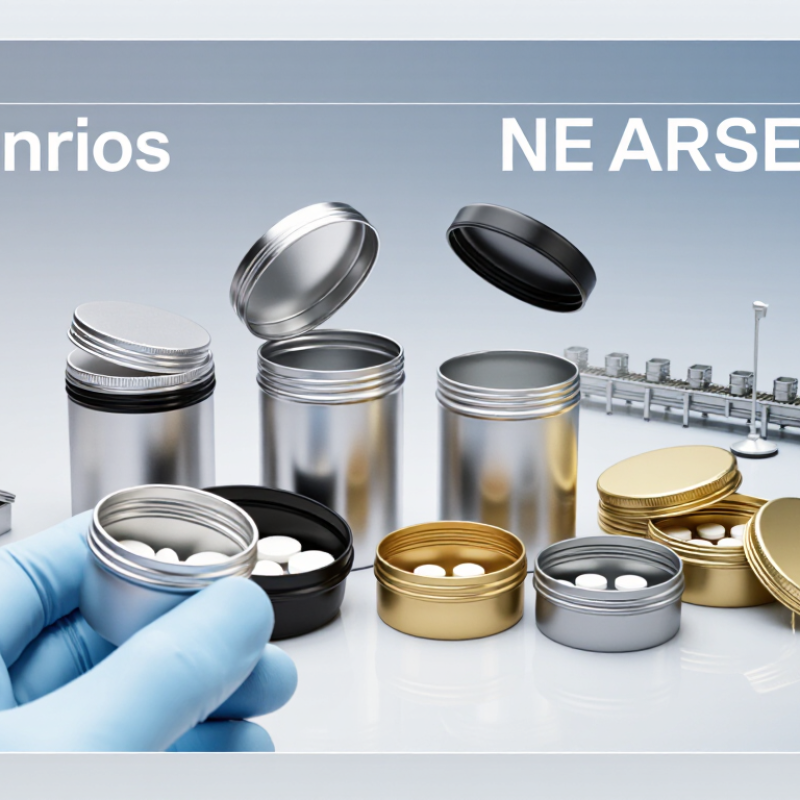
Define Your Metal Pill Container Requirements
Before contacting a metal pill container supplier, define what the container must protect and how it will be used. List the product type, tablet count, target dimensions, and expected filling method. A pocket container needs a different wall thickness than a larger home-use case. Measure the largest tablet, including its coating and shape. Do not estimate. Small measurement errors can affect lids, labels, and packing speed. Also decide whether the container needs a screw cap, hinged lid, or child-resistant feature where applicable. The closure should feel secure, not merely look polished.
Material selection requires practical detail. Specify stainless steel, tinplate, or another suitable metal, then ask about corrosion resistance and surface treatment. Consider contact safety, odor retention, and cleaning requirements. Request documentation for material composition and any internal coating. It may seem excessive. It is not. Define acceptable dents, scratches, color variation, and edge sharpness before sampling. A matte finish can hide fingerprints, while a bright finish may show every mark under warehouse lighting. Test the container after repeated opening, because a first-use sample can be misleading.
Write the requirements as measurable values: capacity range, tolerance, closure cycles, packaging method, and delivery quantity. Include the storage environment, such as humidity, temperature changes, or frequent transport. Ask the supplier for sample approval records, inspection procedures, and production experience with similar formats. Avoid promising perfect consistency; metal forming has limits. Leave room to revise the specification after testing. That honest step can prevent expensive changes later. A clear requirement sheet helps you compare suppliers through evidence, not attractive photographs.
Evaluate Supplier Materials, Designs, and Manufacturing Standards
How to Choose a Metal Pill Container Supplier?
Material quality should match the container’s intended use, filling process, and storage environment. Aluminum is lightweight and resists rust, while stainless steel offers greater strength and a more substantial feel. Ask for alloy specifications, surface-treatment details, and coating safety documents. The interior finish matters too. Rough seams can trap powder, moisture, or cleaning residue. Request samples and inspect the threads, hinge, gasket, and closure by hand. A polished sample can mislead. Check several units from different production batches.
Design should protect contents without creating unnecessary handling problems. A secure lid, clear opening, and stable base improve daily use. Measure the internal volume, wall thickness, and closure torque. These details affect filling accuracy and user confidence. If the container needs printing, test abrasion resistance after repeated contact with keys, bags, or damp hands. Small flaws often appear here. I would also question decorative features that complicate cleaning or raise the unit cost.
Manufacturing standards reveal how consistently a supplier works. Look for documented quality procedures, inspection records, traceability, and controlled tooling. Certifications such as ISO 9001 can support confidence, but certificates alone prove little. Ask how the supplier manages rejected parts, material changes, and corrective actions. Request dimensional reports and performance results from drop, leak, and corrosion testing. An honest supplier should explain limitations, not promise perfection. A pilot order is wise, although it may expose weaknesses later. Keep written specifications and approve a reference sample before full production.
How to Choose a Metal Pill Container Supplier?
Evaluate supplier materials, designs, and manufacturing standards
This neutral 100-point scorecard prioritizes food-contact material compliance, container design performance, and manufacturing controls. Verify each item through current declarations of compliance, migration or coating test reports, dimensional samples, quality records, and batch traceability documents. The scores are a practical evaluation framework, not data from any named company or brand.
Verify Customization, Safety, and Quality Control Capabilities
Choosing a metal pill container supplier requires more than comparing prices. Ask how the supplier turns a drawing into a repeatable product. Request material options, wall-thickness ranges, lid dimensions, engraving methods, and color samples. A useful supplier should explain tolerances clearly, not promise that every finish is “perfect.” Ask for a pre-production sample. Test the hinge, thread, closure, and interior space with the actual insert or label. Small details matter. A lid that loosens in a pocket is a failed design.
Safety evidence should be specific and current. Request material certificates, coating specifications, contact-safety test reports, and batch traceability records. Confirm that inks, liners, and adhesives suit the intended use. The supplier should identify restricted substances and explain how they prevent contamination during forming, polishing, and packing. Ask who approves each report. Vague documents deserve a second question. A clean factory is helpful, but documented controls are stronger evidence.
Quality control should continue after sampling. Review incoming material checks, in-process inspections, torque or leak testing where relevant, and final sampling plans. Ask for defect photos and corrective-action records from previous production. This reveals whether problems are measured or merely hidden. Independent inspection can add confidence before shipment. Still, no audit catches everything. Leave room for improvement, and record agreed limits in the purchase specification. Reliable communication matters when a small change affects fit, safety, or appearance.
Compare Pricing, Minimum Orders, and Production Lead Times
How to Choose a Metal Pill Container Supplier?
Compare Pricing, Minimum Orders, and Production Lead Times
Price should never stand alone. Request a complete quotation for the metal container, lid, lining, printing, tooling, packaging, and delivery. A low unit price may hide expensive setup fees or weak quality controls. Ask whether the quotation changes at different order volumes. This reveals the supplier’s real pricing structure.
Minimum order quantities can affect cash flow and storage needs. A supplier may require 5,000 units, while your launch needs only 1,500. Ask about smaller trial orders and whether sample costs become refundable. Confirm the exact container size, metal thickness, closure style, and artwork requirements. Details matter. I have seen buyers compare unit prices while overlooking costly tooling.
Production lead times need written clarification. Separate sample approval, tooling, manufacturing, inspection, and shipping. A realistic schedule should include material availability and possible production delays. Ask for recent lead-time records or production photographs. Evidence is stronger than promises. Also confirm how quickly the supplier reports defects and replaces rejected units. No supplier performs perfectly every time, and pretending otherwise weakens trust. Leave room for inspection before shipment. A rushed order can create higher costs than a slower, better-planned one.
Assess Certifications, Communication, and Long-Term Support
How to Choose a Metal Pill Container Supplier?
Certifications reveal how seriously a supplier controls quality. Request current copies, not cropped screenshots. Check whether ISO 9001 covers the manufacturing site you will use. Ask for material certificates, coating test results, and packaging safety documents. Requirements vary by market, so confirm them with a qualified compliance professional. A certificate alone proves little. Traceable records matter more.
Communication becomes visible during sampling. Does the supplier answer technical questions clearly? Send a drawing with dimensions, thread details, and finish requirements. A reliable team should return a marked sample, production timeline, and realistic tolerance range. Ask who handles quality complaints. Response speed matters, but careful answers matter more. Fast promises can hide weak planning.
Long-term support protects consistency after the first shipment. Discuss batch inspection reports, lot identification, replacement procedures, and advance notice for material changes. Ask whether tooling maintenance is documented and whether spare components can be supplied later. Small details count, such as lid alignment and the feel of the opening.
I once focused too heavily on unit price. That was a mistake. A cheaper container created extra inspection work and delayed packing. Suppliers should welcome audits, video calls, and written corrective actions. Still, no supplier is perfect. Review their actual records, not only polished sales materials. The best choice is a partner that communicates honestly when production goes wrong.