
Blog

blog

Blog

blog

Blog

blog

How to Choose Upholstery Vinyl in 2026?

Choosing upholstery vinyl in 2026 requires more than comparing colors and prices. The right material must suit the furniture, room, climate, and expected use. A dining chair needs different protection than a medical bench or a boat seat. Look closely at the surface grain, backing fabric, seam strength, and finish. Soft-touch vinyl may feel luxurious, but it can show scratches more easily. Textured vinyl can hide wear, though dust may collect in deeper patterns.

Experienced upholsterers usually begin with the product data sheet. Check abrasion results, flexibility, stain resistance, UV performance, and cleaning instructions. Do not trust vague phrases like “commercial quality” without supporting test details. Sample swatches also matter. Bend one around a tight corner, wipe it with a mild cleaner, and inspect the color under warm and natural light. Small tests reveal practical weaknesses.

There is no perfect upholstery vinyl. I have seen attractive materials fail because their backing stretched during installation. I have also seen inexpensive options perform well in low-traffic rooms. That reality deserves attention. Performance depends on craftsmanship, maintenance, and daily conditions. In this guide, we will examine modern vinyl types, essential specifications, comfort, sustainability claims, and reliable buying methods. Always compare current manufacturer documents and regional safety requirements before ordering. A careful choice may prevent peeling, cracking, and costly reupholstery later.
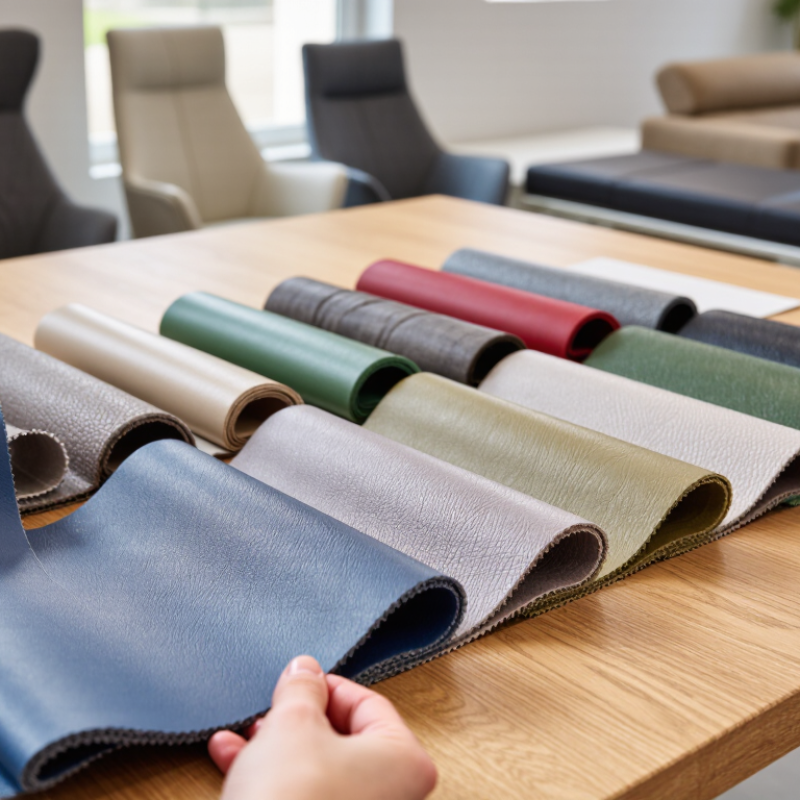
How to Choose Upholstery Vinyl in 2026?

What Is Upholstery Vinyl and Where Is It Used?

How to Choose Upholstery Vinyl in 2026?

What Is Upholstery Vinyl and Where Is It Used?

Upholstery vinyl is a coated textile made for covering furniture and interior surfaces. It usually combines a fabric backing with a flexible, protective surface. This structure helps resist spills, abrasion, and everyday stains. Unlike ordinary decorative film, upholstery vinyl can bend around cushions and shaped panels.

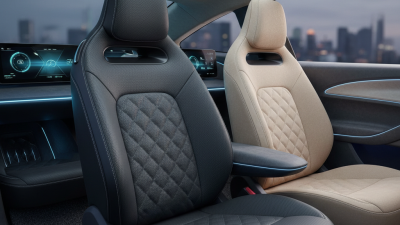
It is commonly used on dining chairs, sofas, bar seating, vehicle interiors, medical furniture, and hospitality booths. It also suits wall panels and headboards in busy spaces. In practical upholstery work, I check the backing, grain, thickness, and flexibility before choosing a material. A stiff surface may crack around tight corners. A very soft one may show scratches quickly. I have sometimes selected attractive vinyl that performed poorly under constant friction. That mistake is worth remembering.

Tips: Match the vinyl to the room’s workload. For family seating, choose a surface with strong abrasion resistance and easy cleaning. Test a sample under warm light before ordering. Color can look surprisingly different indoors. Check the technical sheet for cleaning limits, fire performance, seam strength, and resistance to oils or disinfectants. Do not rely only on appearance. A realistic hand test helps: fold the sample, stretch it gently, and inspect the backing. If the surface feels overly plastic or leaves marks easily, reconsider it. Fresh thinking helps, but proven performance matters more.

How to Assess Vinyl Quality, Durability, and Performance

Choosing upholstery vinyl in 2026 requires more than judging color and softness. Start with the technical sheet. Check thickness, backing construction, tensile strength, tear strength, and seam performance. The Association for Contract Textiles’ performance guidelines commonly use abrasion testing, lightfastness testing, and hydrostatic resistance to compare commercial upholstery materials. Ask which test method was used. Results are not interchangeable.

Look closely at the surface under angled light. A uniform grain, flexible coating, and clean backing usually indicate better manufacturing control. Bend a sample around your finger. It should flex without whitening, cracking, or feeling brittle. ASTM D4157 abrasion testing can reveal wear resistance, but laboratory cycles do not perfectly predict a busy café, waiting room, or family sofa. I have seen high-cycle vinyl fail early when sharp table edges created concentrated stress.

Performance also depends on heat, cleaning chemicals, and sunlight. ISO 105-B02 helps assess colorfastness to artificial light, while ASTM D5733 evaluates tear strength. Request the actual test report, test date, specimen thickness, and failure condition. A passing number without context is weak evidence. Consider a pale sample beside a window and a dark sample near a heater. Real rooms are less forgiving. Protect against repeated flexing, abrasive clothing, and harsh cleaners, even when the specification looks impressive.

How to Choose Upholstery Vinyl in 2026? - How to Assess Vinyl Quality, Durability, and Performance

Assessment Dimension How to Assess It Practical Selection Reference Why It Matters
Overall Construction Inspect the face film, printed layer, foam or textile backing, and bonding. Look for even coating, consistent color, and absence of pinholes, bubbles, or delamination. The backing should remain firmly bonded when the material is flexed, folded, and lightly stretched. Good construction reduces peeling, cracking, stretching, and premature surface failure.
Total Thickness Measure with a calibrated thickness gauge at several points across the roll or sample. Approximately 0.8–1.2 mm is common for general residential upholstery; about 1.0–1.5 mm is often selected for heavier commercial applications. Thickness can improve handling, tear resistance, and perceived quality, but it should not replace testing of the coating and backing.
Abrasion Resistance Review results from a recognized abrasion method, such as ASTM D4157 or ISO 12947, and confirm the test method before comparing values. For frequent-use seating, specify a product tested to at least 50,000 double rubs when the supplier uses the Wyzenbeek method; do not compare double-rub values directly with Martindale cycles. Higher abrasion resistance generally supports longer service in offices, hospitality areas, waiting rooms, and family rooms.
Tear Strength Request tear-strength results using a stated standard, such as ASTM D2261 or ISO 4674-1. Choose a higher tear-strength grade for recliners, restaurant seating, automotive-style cushions, and furniture with frequent movement. Tear strength helps the cover resist damage from sharp edges, pulling, installation, and repeated flexing.
Tensile Strength and Elongation Check tensile and elongation data in both machine and cross directions using a recognized test method. Look for balanced performance in both directions and controlled stretch that allows upholstery work without permanent distortion. Balanced strength helps prevent sagging, seam stress, and shape loss during installation and use.
Flex and Crack Resistance Examine low-temperature flex or cold-crack test results and flex the sample repeatedly after conditioning. For unheated rooms or cold climates, prioritize products with documented low-temperature flexibility, commonly tested around −20°C or below. Low-temperature flexibility reduces cracking when furniture is moved, folded, or used in cold conditions.
Hydrolysis Resistance Request accelerated hydrolysis-aging results, especially for polyurethane-containing coatings or humid environments. For humid climates, healthcare, marine interiors, and vehicle seating, select material with documented hydrolysis resistance and a clearly stated test duration. Hydrolysis can cause sticky surfaces, peeling, and powdering after prolonged exposure to heat and moisture.
Lightfastness Review xenon-arc or equivalent lightfastness results, such as ISO 105-B02 or ASTM G155, and confirm the rating scale. A rating of approximately 4 or higher on the Blue Wool scale is a useful minimum for areas exposed to daylight; stronger exposure may require a higher rating. Better lightfastness slows fading and color inconsistency near windows and under strong indoor lighting.
Color Transfer and Crocking Rub a dry and wet white cloth over the surface and review dry- and wet-crocking results. Prefer a dry-crocking rating of at least 4 and verify wet-crocking performance for light-colored clothing, upholstery, and damp-use environments. Good crocking resistance reduces dye transfer to clothing, cushions, and adjacent materials.
Stain and Chemical Resistance Test likely contaminants such as water, mild soap, alcohol-based hand sanitizer, sunscreen, oils, and cleaning solutions on a hidden area. Select a surface with documented resistance to the chemicals required by the cleaning protocol; never assume that one resistance claim covers all disinfectants. Chemical compatibility helps prevent swelling, discoloration, tackiness, and loss of the protective finish.
Water and Moisture Resistance Check resistance to liquid penetration, wicking, and seam leakage. Test both the face material and the sewn assembly. For dining, healthcare, outdoor-covered, or high-spill areas, choose a non-absorbent face with sealed or well-designed seams. Moisture resistance improves cleanability and reduces staining, odor, and damage to the cushion core.
Flammability Compliance Identify the exact end-use regulation and review a current test report for the complete upholstery assembly, including foam and barrier materials. Specify only after confirming the requirements for the destination country, building type, furniture category, and public-use environment. Fire performance depends on the complete assembly and cannot be reliably judged from the vinyl face alone.
Seam and Sewing Performance Make a sample seam and inspect stitch holes, needle damage, seam slippage, and strength after repeated flexing. The material should sew cleanly without excessive perforation, distortion, or cracking around the stitch line. A durable face can still fail if the material produces weak seams or is incompatible with the chosen thread and needle.
Surface Feel and Appearance Retention Evaluate grain consistency, gloss, hand feel, print alignment, embossing, and appearance after bending and cleaning. Choose a finish that hides expected wear while remaining consistent across production lots. Appearance retention affects perceived quality and helps maintain a uniform look across multiple furniture pieces.
Cleaning Instructions Obtain written care instructions and test the actual cleaning products used by the facility or household. Prefer clearly documented routine and disinfecting procedures with defined dilution, dwell time, rinsing, and drying requirements. Correct cleaning practices prevent avoidable damage and help preserve the protective topcoat.
Specification Transparency Check the technical data sheet for test methods, test conditions, tolerances, production date, and sample-to-roll consistency. Treat undocumented claims as unverified and request production samples before approving a large order. Transparent documentation makes performance claims comparable and reduces specification risk.

Note: Performance values are selection references rather than universal legal requirements. Always confirm the applicable test standard, complete furniture assembly, cleaning chemicals, climate, and end-use regulations before approval.

How to Match Vinyl Types with Furniture and Usage Needs

How to Choose Upholstery Vinyl in 2026?

Matching vinyl to furniture starts with use, not appearance. A dining chair needs stain resistance, flexible backing, and easy cleaning. A waiting-room bench needs stronger abrasion performance and stable color. For recliners, choose softer vinyl with reliable seam recovery. Heavy commercial seating needs a tighter surface and reinforced construction.

Grand View Research’s 2024 artificial leather analysis projects continued market growth through 2030, driven partly by furniture and transportation applications. Growth does not mean every vinyl performs equally. Ask suppliers for test results, not only “contract grade” wording. ASTM D751 can help assess coated-fabric properties, while ISO 5470-2 supports abrasion evaluation. These tests are useful, but real furniture geometry still matters. Sharp corners can damage excellent material.

Tips: Match the vinyl to contact points. Test a sample under body heat, denim friction, cleaning, and bright window light. For sofas, inspect stretch recovery after repeated pulls. For dining seats, wipe coffee and oil from textured grains. A low-gloss finish often hides small scratches better. I would avoid choosing by color alone. That mistake is easy to make.

Data from the International Association of Home Furnishings Regulators indicates that durability, cleanability, and chemical transparency increasingly influence commercial specifications. Still, “easy clean” claims can be vague. Request the cleaner list and documented resistance results. A pale vinyl may look refined, but it shows denim transfer quickly. A heavily embossed surface may hide marks, yet trap crumbs. The best choice depends on who sits there, how often, and what happens afterward.

How to Compare Colors, Textures, Finishes, and Design Styles

How to Choose Upholstery Vinyl in 2026?

How to Compare Colors, Textures, Finishes, and Design Styles

When comparing upholstery vinyl, inspect samples under daylight and warm indoor lighting. Color can shift dramatically beside wood, metal, or painted walls. I have learned that a warm gray may look beige near natural timber. A cool white can appear harsh under bright LEDs. Compare large samples, not tiny swatches. Keep the surrounding materials visible.

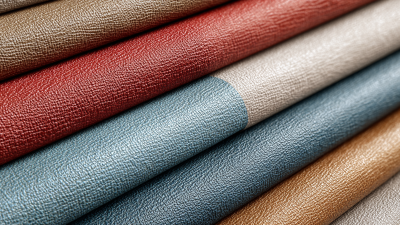
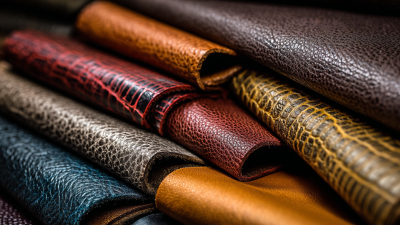
Texture affects both appearance and daily comfort. Smooth vinyl suits clean, modern furniture and wipes easily. Embossed surfaces can hide small marks and create a more tactile look. However, deep texture may collect dust in busy spaces. Keep practicality in view. Finish changes the visual weight, too. Glossy vinyl reflects light and feels more dramatic. Matte vinyl appears softer and usually hides fingerprints better. I once chose a finish from a photograph alone. That mistake made the furniture look darker than expected.

Design style should guide the comparison, but not control it completely. Classic interiors often benefit from restrained colors and subtle grain. Contemporary rooms may handle stronger contrast or geometric embossing. Test the vinyl on the actual chair, bench, or panel. Sit on it. Wipe it. Check seams from different angles. Ask whether the color still works after several minutes, not just at first glance. A reliable choice balances appearance, maintenance, touch, and expected use. I still find some combinations difficult to judge, especially beneath mixed lighting. That uncertainty deserves another sample, not a rushed decision.

How to Verify Safety, Maintenance, Sustainability, and Cost Factors

How to Choose Upholstery Vinyl in 2026?

How to Verify Safety, Maintenance, Sustainability, and Cost Factors

Safety begins with documentation, not color samples. Request current test reports for flame resistance, abrasion, seam strength, and chemical content. Check whether results apply to the exact vinyl, backing, and production batch. A showroom sample may not represent later deliveries. Confirm requirements for your country and the furniture’s intended setting. Hospitals, restaurants, vehicles, and homes may need different performance levels. Ask for traceable technical data. Do not rely on vague claims such as “eco-safe.”

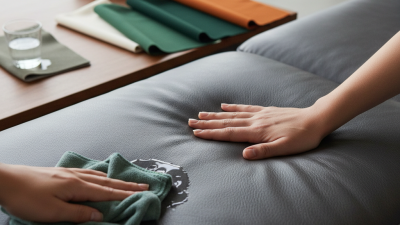
Maintenance should match daily use. Look for clear cleaning instructions and recommended disinfectants. Test a small hidden area before using alcohol, bleach, or strong solvents. Some finishes become sticky or dull after repeated cleaning. Wipe spills quickly, especially oil, ink, and denim dye. Inspect seams, corners, and buttons during routine care. Small damage spreads quickly. Look closely.

Sustainability requires more than recycled content. Ask about recycled percentages, backing materials, manufacturing energy, and end-of-life options. A thinner product may use fewer resources, yet fail sooner and create replacement waste. Review the expected service life beside the purchase price. Include installation, cleaning labor, repairs, and disposal costs. A low quotation can become expensive after two years. Compare equal test standards and warranty terms. Keep every document with the purchase record. One uncomfortable truth remains: complete environmental data is often unavailable, so state assumptions clearly and avoid overstated claims.