Best Practices for Using Inlay Cards Effectively?
inlay cards are powerful tools in marketing and branding. These small cards can enhance customer engagement and convey your message effectively. However, using inlay cards properly is crucial. A poorly designed card can confuse rather than inform.
Consider the visual elements of your inlay card. The design must align with your brand identity. A cluttered card may distract readers. Simplicity often leads to clarity. Make sure vital information stands out. Think about the placement of text and images. A balanced layout helps guide the reader's eye.
Additionally, the content needs to be concise and impactful. Every word counts. Avoid jargon that could alienate your audience. Instead, opt for relatable language. Reflect on the card’s purpose. Is it to inform, entertain, or persuade? Understanding this focus will lead to better outcomes. Errors in content or layout could derail your efforts. Thoughtful planning and execution of inlay cards can significantly enhance your marketing strategy.
Overview of Inlay Cards and Their Purpose
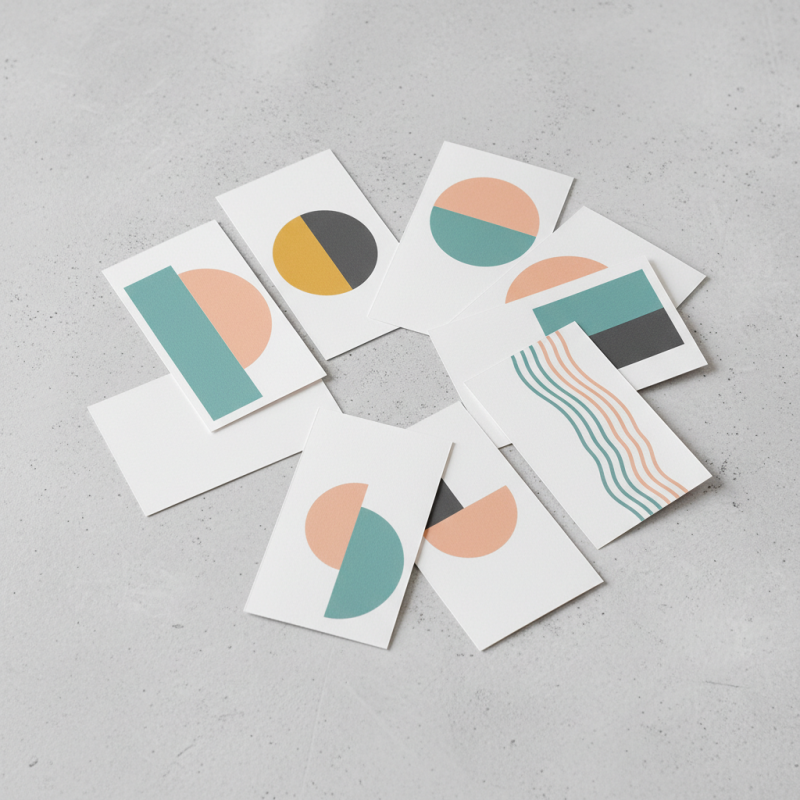
Inlay cards are often overlooked tools in marketing. These small inserts can enhance product visibility and customer engagement. Their primary purpose is to provide information or highlight promotions, adding value to the customer's experience. In a crowded marketplace, well-designed inlay cards can catch the eye and draw attention.
Tips for using inlay cards effectively include creating clear and concise messages. Use bold fonts and vibrant colors to stand out. However, don't overcrowd the design. Simplicity often works better. Include a call to action that encourages immediate interaction.
Another important aspect is placement. Ensure the inlay cards are placed where customers will notice them, such as inside packaging or on display stands. Reflect on the size and shape of your cards; they should be easy to handle and read. It’s a challenge to balance aesthetics and functionality, but it's worth the effort for better customer response.
Key Design Elements for Effective Inlay Cards
Inlay cards are powerful marketing tools when designed effectively. They can grab attention and inform customers. Key design elements play a significant role in their success. One vital aspect is the use of compelling visuals. Bright colors and appealing images can draw the eye. For example, a stunning graphic can become the focal point. Simplicity should not be overlooked. Too much text or imagery can overwhelm customers.
Typography also matters. Choose fonts that are easy to read, even from a distance. Consider varying font sizes for the headline and body. This adds visual hierarchy and guides readers. White space is crucial too; it creates breathing room and highlights important information.
Testing different designs can lead to insights. Sometimes, a design might not resonate as expected. An image that seems appealing might fall flat. Gathering feedback is essential. Reflecting on what works or doesn’t will improve future designs. Balancing creativity and clarity can enhance the effectiveness of inlay cards.
Strategies for Choosing the Right Information to Include
When creating inlay cards, the information you choose to include can significantly impact their effectiveness. Focus on concise, relevant details that enhance the user experience. Start by identifying what users want to know. Use straightforward language and avoid jargon. For example, highlight key features or benefits succinctly. One or two strong visuals can be effective too. Images often convey more than words.
Consider the layout carefully. Each section should flow logically. Include headings to separate topics, making it easy for readers to skim. Research suggests that people often scan rather than read in detail. Use bullet points for critical information. This method captures attention quickly and enhances readability.
Reflect on the overall design. Too much information can overwhelm; too little may not inform adequately. Test different versions. Seek feedback from peers or potential users. Is the layout inviting? Does the content resonate? Not every attempt will hit the mark. Learning what works takes experimentation. Strive for clarity over complexity to keep your audience engaged.
Tips for Enhancing Visual Appeal and Readability
Inlay cards are a powerful tool for enhancing visual communication. Their design can make or break the overall effectiveness. Start with bold colors to grab attention, but also consider the context. Too many bright hues might clash. A balanced color palette tends to work better.
Choose fonts that are easy to read. Simple, sans-serif fonts are often more effective than ornate types. Use varying sizes to create a visual hierarchy. This helps direct attention where it’s needed most. However, don’t go overboard with font styles. Remember that clarity is key.
Images can also elevate your inlay cards. Use relevant visuals that complement your message. But beware of overcrowding the space. Empty white space can be as powerful as visuals. It allows the information to breathe. Reflect on these elements regularly. You may discover a need to simplify your designs further.
Best Distribution Practices for Maximizing Impact
Inlay cards can significantly enhance a product's unboxing experience. To maximize their impact, distribution practices play a critical role. Place your inlay cards inside the packaging thoughtfully. This approach ensures they are seen but not damaged. Every design element should communicate your brand values clearly.
Tips: Use vibrant colors. Create attractive visuals that catch the eye. Consider varying sizes. A smaller card may provoke curiosity. A larger size can hold more information, drawing attention.
The timing of your distribution matters. Consider the market pulse. Sending inlay cards during holidays can increase engagement. Yet, don’t overlook off-peak times. There are fewer distractions then, allowing your message to shine.
Tips: Test different distribution channels. Some may perform better than others. Be open to feedback. Reassess your strategies regularly for improvement. Remember, effectiveness may vary. Adapt as needed for your audience's preferences and trends.
Best Practices for Using Inlay Cards Effectively
| Best Practice | Description | Impact Level | Recommended Frequency |
| High-Quality Design | Ensure inlay cards are professionally designed with appealing graphics. | High | Per Campaign |
| Clear Messaging | Communicate the key message clearly and concisely. | Medium | Every Campaign |
| Target Audience Focus | Tailor the content of the inlay card to specific audience demographics. | High | Per Campaign |
| Incorporate Call-to-Actions | Include strong calls to action encouraging immediate response. | High | Every Campaign |
| Regular Updates | Keep information relevant and update inlay cards as needed. | Medium | Quarterly |
| Utilize Feedback | Gather feedback on inlay card effectiveness and make improvements. | High | After Each Campaign |