10 Essential Tips for Choosing Durable Sofa Fabric for Your Home
When selecting furniture for your home, the choice of fabric plays a crucial role in defining durability and longevity, especially for sofas which are significant investments. Research from industry experts indicates that living room furniture can experience wear and tear up to 11 times more than other upholstered items, emphasizing the need for choosing durable sofa fabric. Reports show that fabrics such as polyester, leather, and high-performance blends are among the top choices for homeowners looking to strike a balance between aesthetic appeal and resilience.
In today's market, the demand for durable sofa fabric is driven by an increasing awareness of sustainability and longevity, with consumers opting for materials that can withstand the rigors of daily use. A survey conducted by the Furniture Society indicates that 76% of consumers consider durability as the most important factor when selecting upholstery. This trend points to a shifting mindset towards investing in high-quality materials that not only enhance the decor but also provide practical benefits, ensuring that furniture maintains its beauty and function over time. By understanding the characteristics and advantages of various fabrics, homeowners can make informed choices that enhance both their living space and lifestyle.

Understanding Fabric Durability: Key Properties to Consider
When choosing a durable fabric for your sofa, it's essential to understand the key properties that contribute to its longevity. One critical factor is the fabric's abrasion resistance, measured by the Martindale or Wyzenbeek tests. Fabrics that can withstand a minimum of 30,000 rubs are generally considered suitable for home use, while those surpassing 50,000 rubs are ideal for high-traffic areas. For instance, according to a report from the Furniture Industry Association, durable upholstery fabrics remain a top priority for homeowners, with over 70% prioritizing fabric longevity when making their selections.
Another vital property is the fabric's colorfastness, which indicates how well a fabric retains its color against fading. Fabrics that score a minimum of 3-4 on the ISO 105-B02 test are preferable. This ensures that your sofa maintains its aesthetic appeal even after exposure to sunlight or cleaning products. Additionally, the fabric should also be resistant to stains and spills, which is crucial for maintaining your sofa’s appearance in busy households.
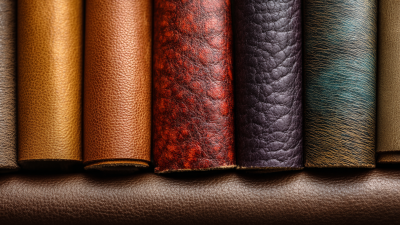
**Tips: Consider options like synthetic fibers, which tend to possess greater durability compared to natural fibers, offering better resistance to wear and tear. Always request swatches and evaluate how the fabric behaves under different conditions before making your final decision.** Moreover, fabrics with a tighter weave often provide enhanced durability, making them less prone to fraying and pilling over time, thereby prolonging the life of your sofa.
Comparing Natural vs. Synthetic Fabrics for Your Sofa
When it comes to selecting the right fabric for your sofa, understanding the key differences between natural and synthetic fabrics is crucial. Natural fibers, such as cotton, linen, and wool, are often praised for their breathability and aesthetic appeal. For instance, cotton offers comfort and is relatively easy to clean, making it a popular choice among homeowners. According to the "Textile Exchange 2021 Sustainability Report," natural fibers account for approximately 50% of the global fiber market, indicating their enduring popularity. However, while natural fabrics provide exceptional softness and are biodegradable, they may not withstand heavy wear and tear as well as some synthetic alternatives.
On the other hand, synthetic fabrics like polyester, nylon, and acrylic have become increasingly favored due to their durability and stain-resistance features. A study by the "American Association of Textile Chemists and Colorists" reports that synthetic fibers are more resilient and tend to last longer than natural options, particularly in high-traffic areas. For example, polyester is known to resist fading and shrinking, making it ideal for homes with pets or children. Additionally, advancements in technology have led to the development of performance fabrics that combine the best characteristics of both categories, offering the aesthetic qualities of natural fibers along with the durability of synthetics. As you weigh your choices, consider how each option aligns with your lifestyle and the specific demands of your space.
Durability Comparison of Sofa Fabrics
The Impact of Weave Types on Sofa Fabric Longevity
When selecting a durable sofa fabric, the weave type plays a crucial role in determining longevity and resilience. Different weave structures, such as basketweave, twill, and jacquard, offer varying levels of durability.
Basketweave, for instance, features a simple over-and-under pattern that enhances strength while allowing for breathability, making it a great option for high-traffic areas. On the other hand, twill, characterized by its diagonal pattern, can effectively resist fraying and fading, ensuring your sofa maintains its aesthetic appeal over time.
Additionally, the intricacy of the weave influences not only durability but also maintenance. Fabrics with tighter weaves tend to repel dirt and stains more effectively, making them easier to clean. This offers a practical solution for families or pet owners who require a fabric that withstands the everyday rigors of life. Understanding the impact of weave types allows homeowners to make informed decisions, ensuring that their chosen fabric will not only look beautiful but also endure the test of time, preserving comfort and style for years to come.
Evaluating Colorfastness: How It Affects Fabric Durability
When selecting the right sofa fabric for your home, evaluating colorfastness is crucial to ensure durability. Colorfastness refers to a fabric's ability to maintain its color when exposed to light, washing, and general wear. Fabrics with high colorfastness won’t fade easily, maintaining a fresh and vibrant appearance even after prolonged use. This is particularly important in households with children or pets, where wear and tear are inevitable. Always check the fabric’s labeling for colorfastness ratings, which often indicate how well the material can withstand various conditions.
In addition to colorfastness, consider other factors such as the weave, weight, and finish of the fabric. Fabrics with tighter weaves tend to be more durable since they are less prone to snagging and tearing. Also, heavier fabrics typically hold up better against everyday use. Look for upholstery options like canvas or denim, which offer both resilience and an attractive aesthetic.
Lastly, an additional tip when choosing durable fabric is to prioritize materials treated with stain-resistant finishes. These treatments can help preserve the fabric's appearance by making it easier to clean and preventing stains from setting in. By focusing on these elements, you can ensure that your sofa not only looks great but also stands the test of time.
Maintenance Tips to Extend the Life of Your Sofa Fabric
To keep your sofa fabric looking fresh and prolong its lifespan, regular maintenance is essential. First and foremost, establish a cleaning routine that includes vacuuming the sofa to remove dust and debris. This should be done at least once a week, focusing on the crevices where particles can accumulate. For fabrics that are prone to staining, consider using a soft brush or lint roller to capture any lingering dirt without damaging the material.
In addition to routine cleaning, spills should be addressed immediately to prevent stains from setting in. Blot (don’t rub) the area with a clean, absorbent cloth to soak up as much liquid as possible. Depending on the type of fabric, a suitable cleaning solution can be applied — though it’s crucial to test any product on a hidden area of the couch first. Furthermore, consider rotating the cushions regularly to ensure even wear, and avoid placing the sofa in direct sunlight, as UV rays can fade the fabric over time. By following these maintenance tips, you can help ensure your sofa remains a beautiful and durable centerpiece in your home for years to come.
10 Essential Tips for Choosing Durable Sofa Fabric for Your Home - Maintenance Tips to Extend the Life of Your Sofa Fabric
| Tip No. |
Tip |
Details |
Maintenance Frequency |
| 1 |
Choose High-Thread Count Fabrics |
Fabrics with a higher thread count are typically more durable and resistant to wear. |
Annually |
| 2 |
Consider Fabric Composition |
Natural fibers like cotton or linen can be durable if woven tightly, while synthetic fibers often resist stains. |
Bi-Annually |
| 3 |
Look for Upholstery Certifications |
Certifications can indicate the fabric's durability and resistance to fading. |
As needed |
| 4 |
Choose Colors Wisely |
Darker colors often hide stains better than lighter colors, prolonging the fabric's life. |
Monthly |
| 5 |
Test Stain Resistance |
Check if the fabric has been treated for stain resistance to help maintain its appearance. |
As needed |
| 6 |
Evaluate Fabric Weight |
Heavier fabrics tend to withstand wear and tear better than lighter fabrics. |
Annually |
| 7 |
Check for Pilling |
Avoid fabrics that are prone to pilling as it affects the overall look and feel. |
Daily |
| 8 |
Test for Fading |
Examine the fabric under sunlight to see how it might fade over time. |
As needed |
| 9 |
Consider Repellency Treatments |
Some fabrics come with water or stain repellent treatments for added protection. |
Annually |
| 10 |
Maintain Regular Cleaning |
Regular vacuuming and professional cleaning can extend the life of any sofa fabric. |
Weekly |