10 Essential Tips for Choosing Interior PVC Wall Panels?
Choosing the right materials for your home can be overwhelming. Interior Pvc Wall Panels are a popular choice due to their durability and aesthetic appeal. This guide shares essential tips to help you make an informed decision.
When selecting Interior PVC wall panels, consider not just appearance, but practicality. Different styles cater to various moods and spaces. You may find that seemingly perfect panels might not suit your environment. It is essential to think about texture, color, and design compatibility with existing decor.
Quality matters significantly. Inferior panels can deteriorate quickly. Seek out trusted manufacturers with positive customer feedback. Their experiences can reveal insights that specifications cannot. Emphasizing reliability over trends can lead to more satisfying results. Making the right choice ensures that your interior walls not only look good but also stand the test of time. Consider this carefully; the wrong decision could lead to regrets later on.
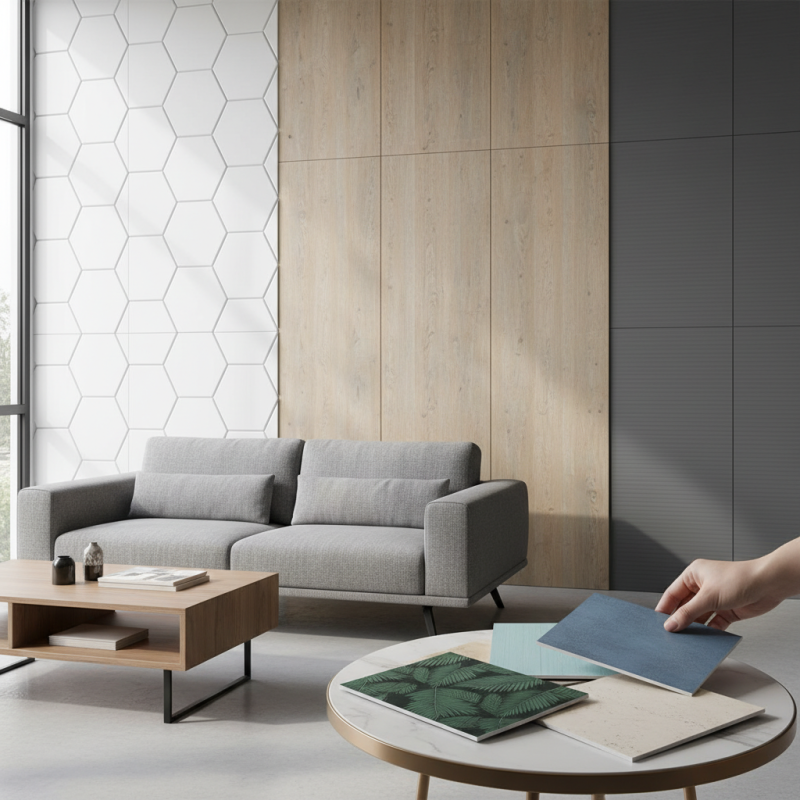
Factors to Consider When Selecting Interior PVC Wall Panels
Choosing the right interior PVC wall panels can transform your space. Understanding key factors is vital. Consider the panel thickness and material quality. Thicker panels tend to be more durable and better at noise reduction. Look for panels that are resistant to moisture. This is crucial in bathrooms or kitchens, where humidity is high.
Color and design also play important roles. Select shades that complement your decor. A bold color can create an accent wall, while neutral tones may provide a calm backdrop. When selecting patterns, consider how they will affect the room's ambiance.
Always think about installation. Some panels are easier to mount than others. DIY projects can save money, but they require additional time and effort. For a polished look, professional installation might be the better option. Lastly, evaluate the cost versus longevity. Investing in quality panels now can save you money in replacements later.
Understanding Different Types of PVC Wall Panels Available
When considering PVC wall panels, it's crucial to understand the diverse types available. Typically, PVC panels come in two main categories: solid and hollow. Solid panels are dense and durable, making them apt for high-impact areas. They are easy to clean and maintain, appealing for kitchens and bathrooms. On the other hand, hollow panels are lighter and often more cost-effective. They can also provide better insulation properties, but might not withstand heavy impacts as well.
Another aspect to consider is the surface finish. Glossy finishes can enhance light reflection, brightening up darker spaces. Alternatively, matte finishes can create a softer, more subdued look. Each finish has its place depending on the desired aesthetic. It’s also essential to consider the panel thickness. Thicker panels may offer better sound insulation but could be more challenging to install. Weighing these factors will lead to a more informed choice. Remember, sometimes the choices we make may not perfectly align with our initial vision, leading to unexpected outcomes. Embrace the process and adjust as needed for optimal results.
Comparison of Different Types of PVC Wall Panels
Evaluating the Aesthetic Appeal of PVC Wall Panels
When evaluating the aesthetic appeal of PVC wall panels, color and texture play crucial roles. Data shows 75% of homeowners want design flexibility in their interior spaces. PVC panels can mimic wood or stone, offering a natural look without the upkeep. This versatility allows for creative expression, making spaces feel modern and inviting.
Light reflection is another element to consider. According to a 2022 industry report, lighter panels can make areas appear more spacious. Darker panels, while dramatic, may close a space. Use this knowledge to balance aesthetics with practical needs.
Some people may assume all PVC panels are the same. However, there are significant variations in quality and finish. Research indicates that well-designed panels can enhance a room’s overall feel. Exploring various textures and patterns can be overwhelming. A thoughtful approach ensures that the final choice aligns with the intended ambiance. Choosing the right PVC panel requires careful thought, balancing visual appeal and functionality.
Assessing Durability and Maintenance Requirements of PVC Panels
When selecting PVC wall panels, durability and maintenance are key factors to consider. PVC panels are generally known for their resistance to moisture and humidity. This property makes them suitable for areas with high moisture levels, such as bathrooms and kitchens. However, not all PVC panels are created equal. Some might withstand wear and tear better than others. Assessing the thickness and quality of the material can help determine its longevity.
Maintenance is another crucial aspect. Many PVC panels require minimal upkeep due to their easy-to-clean surface. A simple wipe with a damp cloth can remove dirt and stains. However, using harsh chemicals might damage the finish. It's valuable to examine manufacturer guidelines. Understanding the proper care techniques can extend the life of your panels. Mistakes in maintenance can lead to discoloration or scratches, which detracts from the overall aesthetic.
Choosing the right product involves careful consideration. Think about where the panels will be installed and how often they will be exposed to daily wear. Evaluation of environmental factors is also important. In areas prone to high traffic, opting for thicker, high-quality PVC could be beneficial. Awareness of deterioration signals, such as cracking or fading, can keep your interior looking fresh for longer.
Budgeting for Your Interior PVC Wall Panel Project
When budgeting for your interior PVC wall panel project, consider the total cost, including materials and labor. PVC panels can seem affordable, but hidden costs may arise. Shipping fees, installation tools, and additional materials can add up quickly.
Measure your space accurately to avoid ordering excess panels. Sometimes, miscalculations lead to waste. It’s essential to think about your personal style too. Choosing a more intricate design can increase costs. Simple patterns may save money while still enhancing your interior.
Don’t forget the long-term investment aspect. High-quality panels can be more expensive upfront but last longer. Cheaper options may require replacements sooner, costing you more in the end. Research local contractors for installation quotes, as prices can vary significantly. A comprehensive budget helps ensure that your project remains practical and aligns with your vision.