

Blog
Blog
Blog
Why Are Festive Lanterns Popular with Global Buyers?
Across markets, festive lighting transforms streets, shop windows, and family gatherings into places where people pause. The Festive Lantern stands out by combining warm light with color, shape, and cultural meaning. A paper lantern above a doorway or a glowing display at a seasonal fair can feel welcoming at once. Small details matter. The frame’s shape, the finish of its surface, and the softness of its light all influence the experience.
For global buyers, appeal often comes with practical questions. Will the lantern suit indoor displays, outdoor events, or both? Can its size, colors, and packaging fit different retail needs? Buyers also look closely at construction, lighting components, and clear product information before placing an order. These checks help prevent a beautiful sample from becoming a disappointing shipment. They also make it easier to choose products that match the intended setting.
Cultural relevance adds another layer. Buyers may seek designs that respect a celebration’s visual traditions without treating every market as identical. That takes careful research, and sometimes a second look. A lantern can be attractive yet feel out of place if its colors or motifs are used carelessly. Materials and reuse matter, too, especially for buyers weighing durability and waste alongside appearance. No single design works everywhere. Understanding why Festive Lanterns attract customers means looking beyond decoration to the feelings, choices, and practical standards surrounding them.
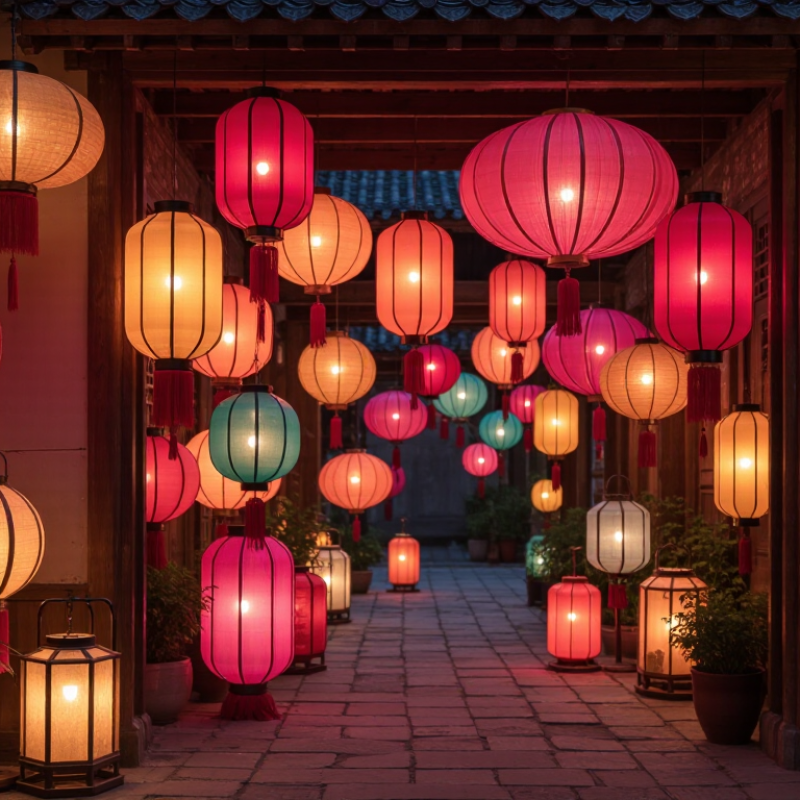
What Festive Lanterns Are and How They Are Made
Festive lanterns are decorative lights made for celebrations, seasonal displays, and shared spaces. Their shapes range from simple spheres to stars, flowers, and small animal figures. Many combine a lightweight frame with paper, fabric, or translucent plastic panels.
The frame comes first. Makers bend thin wire, bamboo, or other suitable strips into a shape, then secure the joints so the lantern can hold its form. The choice of material affects its weight, texture, and how light passes through it.
Next, panels are measured, cut, and attached with glue, stitching, or small fasteners. Color and detail may come from printed patterns, hand-painted motifs, or cutout shapes that cast shadows when illuminated.
Then comes the glow. Some lanterns use low-heat electric lights; others are designed for a different light source, so users should follow the maker’s instructions. Quality checks often include inspecting seams, supports, and electrical parts where fitted.
Handmade pieces may show slight differences in shape or finish. That unevenness can signal human work, though it may also mean a weak joint needs attention. Good construction balances appearance with stability, since a beautiful lantern is less useful if its panels loosen after repeated handling.
Cultural Traditions Behind Lantern Displays
Lanterns do more than brighten a street. In China, the Lantern Festival closes Lunar New Year celebrations with glowing displays and riddles; in Thailand, floating lights during Loy Krathong express gratitude and renewal. Diwali lamps carry different meanings, linked to hope and the triumph of light over darkness. These traditions are distinct, not interchangeable. Their stories give buyers a reason to choose lanterns for festivals, hospitality spaces, and cultural events beyond decoration alone.
Travel helps those stories reach wider audiences. UN Tourism’s January 2025 World Tourism Barometer estimated 1.4 billion international tourist arrivals in 2024, nearly back to 2019 levels. The figure does not measure lantern demand, but it signals broad movement through cultural destinations and public celebrations. That matters. Buyers can respect local meaning by checking how a display is used, choosing suitable materials, and explaining its cultural context. Still, commercial displays sometimes flatten meaningful rituals into a generic “festival look.” That deserves a second thought. A paper lantern’s warm glow, a hand-painted motif, or a carefully arranged pathway can invite curiosity, but context makes the display more than scenery.
Why Are Festive Lanterns Popular with Global Buyers?
Lantern displays are woven into celebrations that follow the lunar calendar. These selected traditions fall on the 14th or 15th day of a lunar month, dates associated with the bright full moon. The chart shows calendar dates—not sales or popularity figures.
Sources: Encyclopaedia Britannica on the Lantern Festival and Mid-Autumn Festival; Vietnam Tourism on Hoi An’s Full Moon Festival. Festival customs and dates can vary by location.
Styles, Materials, and Designs Across Regions
Across regions, festive lanterns reflect local craft and practical needs. In China, red paper or silk lanterns often feature rounded forms and auspicious motifs. Japanese festival lanterns may use washi paper, restrained lettering, and compact shapes suited to streets and shop fronts. In parts of South Asia, perforated metal or colored glass can cast crisp patterns when lit. These are broad tendencies, not fixed rules.
Materials affect both appearance and everyday use. Paper gives a soft glow and packs flat, but it may crease or tear in damp weather. Bamboo frames are light and repairable; metal frames hold precise outlines but add weight. LED lighting can reduce heat near paper, though buyers should check wiring, battery access, and replacement parts. Small details matter. Warm light looks different through opaque fabric than through translucent paper.
Design choices also depend on setting. Large suspended lanterns suit open courtyards, while small table pieces fit homes and restaurants. Buyers often compare colorfastness, hanging hardware, and protective packaging alongside appearance. A beautiful sample can disappoint after shipping. Not always. Makers also borrow shapes across regions, so a regional label alone cannot predict quality. Inspect seams, frame joints, and light diffusion before choosing.
How Festive Lanterns Became Popular Worldwide
Festive lanterns became popular worldwide through a blend of tradition, migration, travel, and modern visual culture. In many East Asian celebrations, lanterns mark seasonal gatherings and carry wishes for good fortune. Traditions vary. As families moved, they brought familiar colors and customs into new neighborhoods, where communities adapted them. Visitors encountered glowing displays at public festivals and shared photographs with people far away. A red paper lantern above a doorway can make an ordinary winter evening feel welcoming. Its meaning, however, is not identical everywhere.
Today, organizers use lanterns at cultural events, weddings, garden walks, and holiday markets. Lightweight frames, vivid shades, and varied shapes make them easy to arrange in streets or small courtyards. LED lights have widened their use indoors, while reusable materials may reduce waste when cared for properly. Not every display is sustainable. Cheap decorations can be discarded after one season, and bright installations may obscure the history behind them. Hosts can add context by explaining local customs and choosing durable materials. That care helps lanterns travel without treating one tradition as universal.
What Global Buyers Look for in Festive Lanterns
Global buyers judge festive lanterns by more than color and shape. They look for designs that suit local celebrations, shop displays, and home settings. A warm glow through patterned paper can feel inviting, but the lantern must also look tidy when unlit. Small details matter: even seams, secure hanging loops, and balanced proportions are easy to notice up close.
Materials and construction affect both appearance and practical use. Buyers often check whether frames hold their shape, surfaces resist minor scuffs, and components are packed to prevent crushing during transit. If lanterns include electrical lighting, clear specifications and suitable quality checks help buyers assess the product responsibly. Outdoor use deserves extra attention, since wind and damp conditions can shorten a lantern’s life. Not every decorative style suits every setting.
Consistency is important when ordering many pieces. Buyers may request color samples, dimensions, packaging details, and production timelines before confirming an order. Clear communication about customization can prevent surprises, especially when printed patterns or sizes vary between batches. A polished sample is useful, but it cannot answer every question about a large shipment. That gap deserves honest discussion. Good purchasing decisions balance visual appeal with durability, reliable packing, and realistic delivery expectations.