

Blog
Blog
Blog
Where to Find Premium Baseball Cap Suppliers in China?
Premium Baseball Cap sourcing is not just a price comparison. Buyers need to assess fabric weight, crown structure, stitching, embroidery, fit, and consistency across repeat orders. China offers a broad manufacturing base, but supplier quality varies. A clean sample can still hide weak seam finishing or uneven embroidery. Ask for production photos, material specifications, and a sample made to the same requirements as the bulk order.
Grand View Research estimated the global headwear market at USD 29.4 billion in 2023 and projected continued growth through 2030. That figure covers headwear broadly, not baseball caps alone, so it should not be treated as a cap-specific forecast. Still, it signals a substantial market where product differentiation matters. For a Premium Baseball Cap, buyers should compare more than unit price: inspect fabric hand-feel, panel alignment, closure durability, and the finish inside the crown. Small details show up quickly in customer reviews.
Reliable sourcing also depends on evidence. Request a written specification, confirm sample approval before production, and agree how defects will be handled. Then check whether the supplier can repeat the approved result. No source articles or verifiable expert quotation were provided here, so I cannot responsibly attribute a quote to a named industry expert. That gap matters: a fabricated quotation would weaken an otherwise practical sourcing guide.
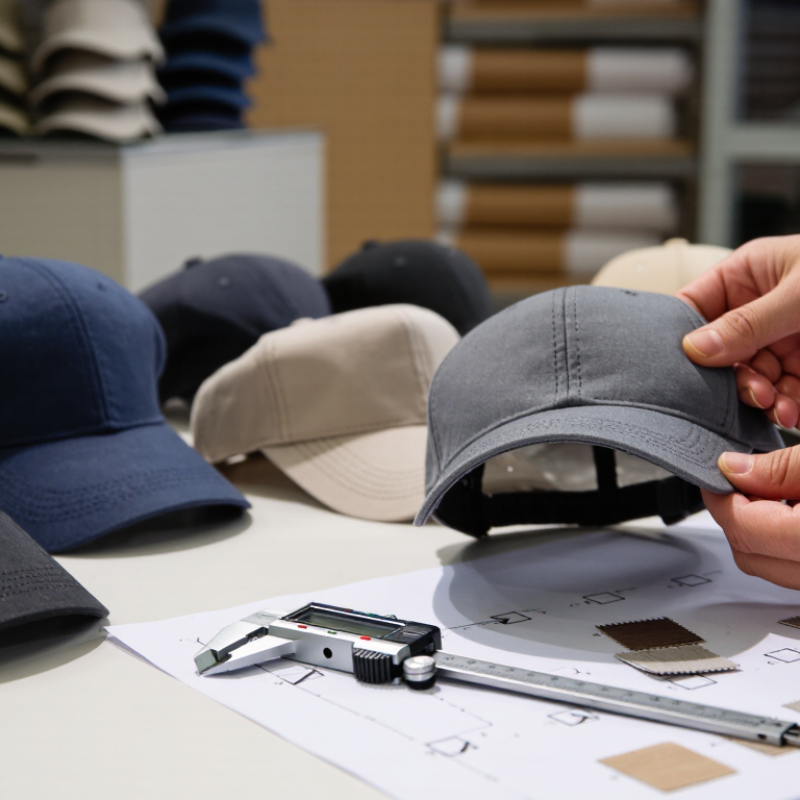
Types of Premium Baseball Cap Suppliers in China
Premium baseball cap suppliers in China generally fall into several useful categories. Direct manufacturers control pattern making, cutting, stitching, embroidery, and final inspection. They suit buyers who need custom panels or repeatable specifications. Ask to see a production sample and a recent inspection record. A neat showroom is not proof of consistent sewing.
OEM and ODM factories can develop caps from a sketch, fabric swatch, or measurement sheet. Their strength is coordinating materials, crown shape, brim stiffness, closures, and decoration. Clarify which steps happen in-house. Some factories outsource embroidery or washing, which can affect timing and shade matching. Small specialist workshops may offer close communication and careful handwork. Capacity may be limited.
Trading companies can coordinate sampling, communication, and shipment across several product types. This may help when an order includes multiple cap styles. However, the sewing floor may be elsewhere. Request the production-site address, sample approval process, and written measurement tolerances. Compare stitch density and sweatband attachment on physical samples. Even careful checks can miss a mismatch between sample and bulk production, so keep approved samples for reference. Details matter.
Key Manufacturing Regions and Sourcing Channels
Guangdong is a practical starting point for premium baseball caps. Guangzhou and Dongguan offer access to fabric mills, embroidery workshops, printing services, and export logistics. Zhejiang, especially Yiwu and nearby manufacturing towns, is useful for comparing trims, packaging, and smaller production runs. Fujian also has established garment-making capacity. These regional strengths are not a guarantee of cap quality. A supplier may outsource stitching or embroidery, so ask where each production step happens.
UNIDO’s International Yearbook of Industrial Statistics 2023 attributes roughly 30% of global manufacturing value added to China. That broad figure signals a deep manufacturing base, not a cap-specific advantage. Sourcing channels include direct factory visits, verified B2B directories, and major trade fairs. Request a sample with the exact crown shape, brim stiffness, sweatband, and embroidery density you plan to order. Check the factory’s recent production records and inspect bulk goods before shipment. Small details matter.
Tips: Send a measurement sheet and artwork file with your inquiry. Ask for material swatches and a pre-production sample. Compare quotes carefully; a low unit price can hide setup, packaging, or inspection costs. I would still treat online factory claims cautiously—some details are easy to present well in a listing, but harder to confirm on the production floor.
How to Evaluate Supplier Quality and Production Capabilities
When assessing premium baseball cap suppliers in China, look beyond showroom samples. Check crown symmetry, stitch density, sweatband comfort, brim recovery, and embroidery alignment under bright light. Ask for fabric specifications and batch-level inspection records. Textile Exchange’s Materials Market Report 2024 estimated global fiber production at 124 million tonnes in 2023, highlighting why material sourcing and traceability deserve close attention. A supplier should identify fabric composition and provide consistent documentation. A polished sample can still hide weak bulk-production controls.
Request a pre-production sample, then compare it with caps from a completed order. Review defect logs, production capacity, lead times, and how the factory handles rejected materials. Ask to see both. For repeatable inspections, ISO 2859-1 offers a recognized sampling framework; agree on acceptance criteria before production starts. Check cap-specific details, too: panel joins should lie flat, and adjustable closures should hold after repeated use. A factory tour or live video walkthrough can clarify whether its stated equipment and workflow match reality. Small inconsistencies matter.
Tips: Send a marked-up reference sample with measurements and color targets. Ask the supplier to report test methods, results, and sample dates. Keep one approved cap as a comparison standard. It may feel overly cautious, but memory is a poor quality-control tool.
Where to Find Premium Baseball Cap Suppliers in China? - How to Evaluate Supplier Quality and Production Capabilities
| Evaluation area | What to evaluate | Evidence to request | Practical verification | Suggested weight |
|---|---|---|---|---|
| Product quality | Fabric and trim consistency, stitching, panel alignment, embroidery or printing, brim shape, closure function, and finishing. | A production-representative sample, material specifications, approved color references, and a written inspection checklist. | Compare samples with the approved specification. Check measurements, seams, decoration placement, shape, and fastening through repeated handling. | 25% |
| Production capacity | Available production lines, monthly capacity for the specific cap construction, current workload, and ability to handle the requested order quantity. | A capacity plan for the proposed style and quantity, production schedule, and an explanation of any subcontracted operations. | Check that the stated capacity applies to your product type and delivery window. Confirm which operations are performed in-house. | 20% |
| Manufacturing controls | Incoming-material checks, sample approval, in-line inspection, final inspection, defect handling, and batch traceability. | Quality procedures, inspection records from a comparable order, defect classifications, and corrective-action examples. | Ask how measurements and appearance are checked, how nonconforming items are isolated, and how approved samples are used during production. | 15% |
| Compliance and traceability | Ability to meet the destination market’s applicable product, labeling, chemical, and social-compliance requirements. | Relevant, current certificates or audit reports, test reports where required, and documentation linking materials to the finished order. | Verify certificate scope, issuing body, validity, and facility coverage. Requirements depend on the product, materials, claims, and destination market. | 15% |
| Materials and sourcing | Access to specified fabrics, sweatbands, buckles or other closures, interlinings, thread, and packaging; consistency between sample and bulk materials. | Material composition and weight details, color references, available test documentation, and confirmation of approved sources or substitutions. | Approve actual swatches and trims before bulk production. Require written approval for any material or component change. | 10% |
| Lead time and delivery planning | Sampling, material procurement, production, inspection, packing, and shipping milestones, including how delays are communicated. | A dated schedule with assumptions, order milestones, packing details, and the proposed shipping terms. | Check whether the timeline accounts for sample approval, material availability, and inspection. Confirm responsibilities under the agreed shipping terms. | 10% |
| Communication and documentation | Accuracy and timeliness of answers, clarity of quotations, and ability to manage specifications, revisions, and approvals in writing. | An itemized quotation, completed specification sheet, sample timeline, and named contact for production follow-up. | Use a real product inquiry to assess whether the response covers construction, materials, quantity, customization, lead time, and exclusions. | 5% |
| Total suggested evaluation weight | 100% | |||
Suggested weights are a buyer evaluation framework, not a rating of any specific supplier. Define measurable acceptance criteria in the product specification and verify claims with current documents and production-representative samples.
How to Verify Samples, Certifications, and Business Credentials
A reliable baseball cap supplier should welcome detailed sample checks. Ask for one cap in your intended fabric, color, and closure style. Inspect the crown for even panels, straight seams, and clean interior taping. Check whether the brim keeps its curve after gentle handling. Small flaws matter. Photograph the sample and record measurements before approving production. Keep a signed reference sample, since a polished prototype may not match every bulk order.
Request copies of relevant quality or material certificates, then verify the certificate number, holder, scope, and expiry date with the issuing organization. A document alone proves little. Confirm that its listed factory or product category matches your order. If the supplier makes claims about colorfastness or restricted substances, ask for recent test reports from an identifiable laboratory. Requirements differ by market, so confirm which documents your buyer needs rather than relying on a generic certificate.
Check the company’s registered details and operating address against its quotation and invoice. The receiving account should match the contracted business; unexplained differences deserve questions. Ask for two recent trade references and arrange a live video call from the production floor. Look for cap-making equipment, work-in-progress, and a clear view of quality checks. A call cannot prove everything. My own preference is to verify one detail twice, even when the supplier seems responsive.
Comparing Quotes, Minimum Orders, and Lead Times
A premium baseball cap quote is only useful when every supplier prices the same specification. Send a clear brief: fabric weight, crown structure, brim shape, closure, embroidery size, and packaging. Ask whether sampling, mold or setup charges, and shipping are included. That matters. A low unit price may hide costs that appear later.
Compare minimum orders by color and style, not just the total quantity. One factory may accept a modest run across several colors; another may require the full minimum for each color. Ask for the price at two or three quantities, such as 300, 800, and 1,500 pieces. The change between tiers can reveal whether a larger order is worthwhile. I still find color-level minimums easy to overlook.
Lead times need the same careful reading. Separate sample development, sample approval, bulk production, and shipping estimates. Ask when the production clock starts; usually, approvals and deposit terms affect the schedule. Request a written timeline with dates or working-day ranges, plus an update point before shipment. Leave room for revisions. A quoted schedule is not a guarantee, and a rushed sample approval can create avoidable problems. Compare like with like, then keep the final specification and timeline in writing.