Top Furniture Upholstery Materials You Need to Know for Your Home
When it comes to creating a comfortable and stylish home environment, understanding the choices in furniture upholstery material is essential. According to renowned interior designer Emily Henderson, "The right upholstery material can transform a piece of furniture from ordinary to extraordinary, influencing both its aesthetic appeal and durability." This emphasizes the significance of selecting appropriate fabrics that not only reflect your personal style but also withstand the rigors of daily life.
In this exploration of top furniture upholstery materials, we will delve into a variety of options such as cotton, linen, leather, and synthetic blends. Each material offers unique characteristics and benefits that cater to different preferences and lifestyles. Understanding these differences can help you make informed decisions when selecting upholstery for your furniture, ultimately enhancing the comfort and ambiance of your living spaces. Whether you are seeking a luxurious finish or a practical solution for high-traffic areas, knowledge of furniture upholstery materials is key to achieving your design goals.
Top Furniture Upholstery Materials: An Overview of Essential Choices
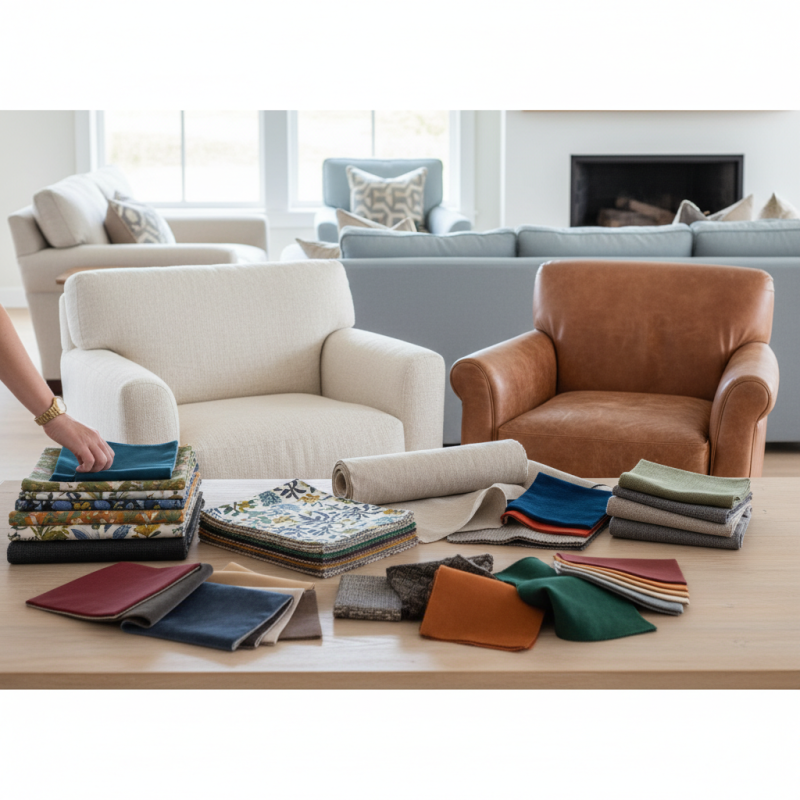
When selecting upholstery materials for your furniture, understanding the variety available can significantly impact both aesthetics and durability. Natural fibers, such as cotton and linen, are popular choices due to their breathability and comfort. Cotton, often praised for its softness, is available in a myriad of patterns and colors, making it a versatile option for casual settings. Linen, on the other hand, offers a more refined look and is known for its durability, although it can be more prone to wrinkling.
Synthetic materials, including polyester and nylon, provide practicality and versatility. These fabrics are often stain-resistant and easier to maintain, making them ideal for high-traffic areas or homes with pets. Additionally, new advancements in technology have led to the development of performance fabrics that combine the best features of natural and synthetic options, offering durability while retaining a soft feel. Choosing the right upholstery material involves balancing personal preference with functionality, ensuring that your furniture not only looks great but also withstands the test of time.
Natural Fibers vs. Synthetic Fabrics: Performance and Durability Ratings
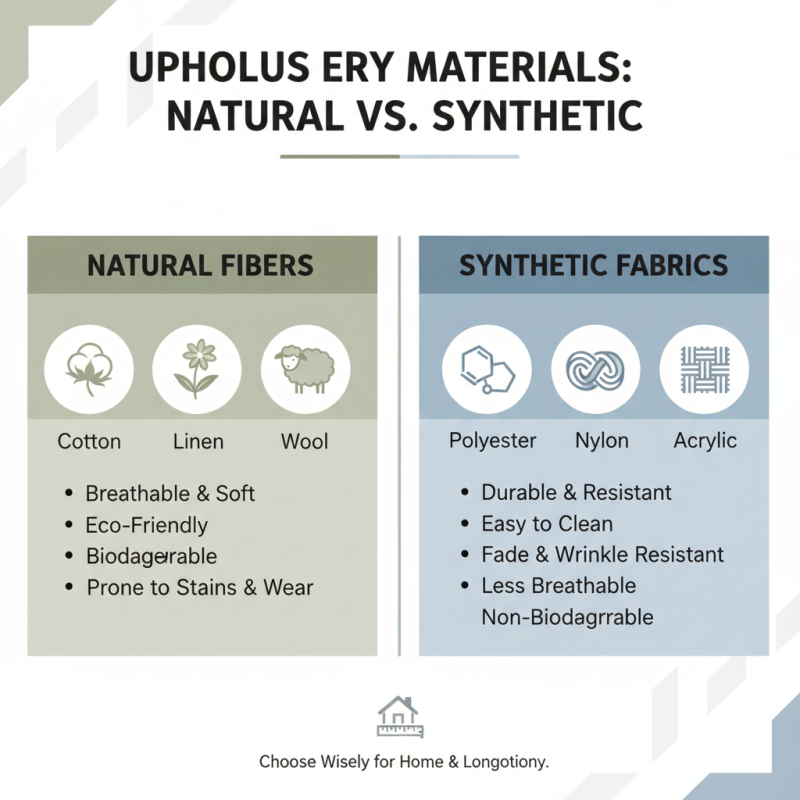
When choosing upholstery materials for your home, understanding the differences between natural fibers and synthetic fabrics is essential for achieving both aesthetic appeal and practical longevity. Natural fibers, such as cotton, linen, and wool, are known for their breathability and comfort. They offer a softer touch and can be more environmentally friendly due to their biodegradable properties. However, natural materials may be prone to staining and wear over time, which can impact their durability and maintenance needs.
On the other hand, synthetic fabrics like polyester and nylon are engineered for enhanced performance and longevity. These materials are typically more resistant to stains, fading, and wear compared to natural fibers, making them suitable for high-traffic areas. While they may lack some of the warmth and tactile qualities of natural fabrics, advancements in technology have improved their textures, making them increasingly comfortable. Ultimately, your choice will depend on the specific needs of your household and the balance you seek between comfort and durability.
The Role of Fabric Weight in Upholstery: What You Should Consider
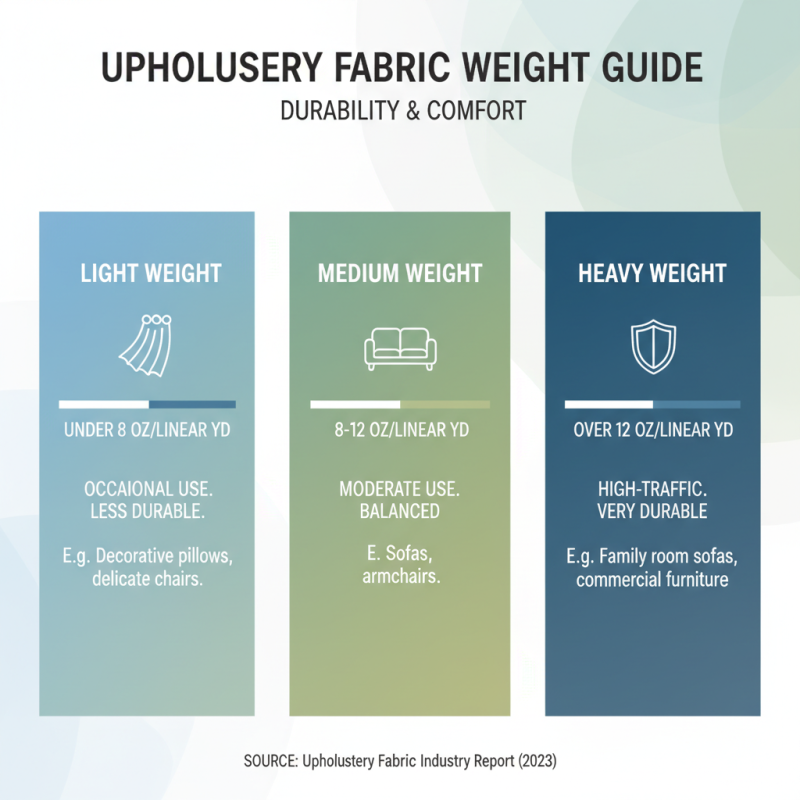
When selecting upholstery fabric for your furniture, one crucial element to consider is fabric weight. The weight of the fabric directly affects its durability, comfort, and appearance. Typically, upholstery fabrics are categorized into light, medium, and heavy weights. According to the "Upholstery Fabric Industry Report" published in early 2023, heavier fabrics (over 12 ounces per linear yard) are generally recommended for high-traffic areas due to their greater resistance to wear and tear. In contrast, lighter fabrics (under 8 ounces) may be more suitable for occasional-use pieces, although they may lack that same level of durability.
Tips: When choosing upholstery for family areas or pets, opt for medium to heavyweight fabrics that can withstand daily use. Look for materials that offer a woven structure rather than a knit, as woven designs tend to be more resilient and less prone to snagging.
The fabric weight also plays a significant role in the visual aesthetic of your furniture. Heavier fabrics can create a rich, structured look, while lighter fabrics offer a more casual, relaxed feel. However, it's important to remember that fabric weight does not solely determine the suitability of the material. Other factors such as fiber content, weave type, and finish should also be taken into account. As per the "Textile and Furnishings Reports 2023," fabrics composed of natural fibers like cotton or linen often present a more breathable option, whereas synthetic blends may provide better stain resistance and durability.
Tips: Always request swatches of potential fabrics to assess how their weight feels and drapes on your intended furniture piece. Testing the fabric's resilience and susceptibility to fading under different lighting conditions will also help ensure you make the right choice for your home décor.
Popular Upholstery Types: Leather, Velvet, and Cotton Explained
When it comes to selecting upholstery materials for your home, understanding the characteristics and benefits of popular fabrics like leather, velvet, and cotton is essential. Leather has long been a staple in furniture upholstery, appreciated for its durability and timeless appeal. According to the Upholstery Industry Association, leather can last up to four times longer than fabric alternatives when properly cared for, making it an excellent investment for households. Additionally, leather naturally repels spills and stains, contributing to its longevity and ease of maintenance.
Velvet offers a luxurious texture that adds a touch of elegance to any room. This fabric, which is often made from silk, cotton, or synthetic fibers, is known for its rich colors and unique visual depth. A report from the Fabric Marketing Institute highlights that velvet's popularity has surged, with a 30% increase in sales over the past five years. This trend is primarily driven by its ability to elevate aesthetics while providing comfort, making it a favorite for sofas and chairs in both contemporary and classic designs.
Cotton, on the other hand, is revered for its versatility and breathability. It is a natural fabric that is soft to the touch and comes in a wide variety of patterns and colors, making it an attractive choice for any décor style. The American Textile Manufacturers Institute states that cotton upholstery can withstand significant wear and tear, often lasting seven to ten years with proper care. Its hypoallergenic properties also make it suitable for households with allergy sufferers, further solidifying cotton's role as a practical choice for everyday use.
Top Furniture Upholstery Materials You Need to Know for Your Home
| Upholstery Type |
Durability |
Maintenance |
Comfort Level |
Price Range |
| Leather |
High |
Moderate |
Very Comfortable |
$100 - $500 |
| Velvet |
Moderate |
High |
Soft and Cozy |
$50 - $300 |
| Cotton |
Low to Moderate |
Low |
Very Breathable |
$20 - $150 |
Maintenance Tips: Increasing the Lifespan of Your Upholstery Materials
Maintaining the lifespan of your upholstery materials is crucial to ensuring that your furniture continues to look beautiful and serve its purpose effectively. Regular cleaning is a fundamental step; for most fabrics, vacuuming them weekly can help prevent dirt and dust accumulation that could lead to wear. For more delicate materials, using a soft brush attachment can further protect the surface. Additionally, it is essential to follow any specific care instructions provided for your upholstery, as different fabrics may require unique methods of cleaning and maintenance.
Protecting your furniture from sunlight and extreme temperatures can also significantly enhance its durability. Exposure to direct sunlight can cause colors to fade over time, while high humidity levels can lead to mold and mildew growth. Using breathable fabric covers for your furniture when not in use can shield it from environmental factors. Furthermore, consider rotating cushions regularly to evenly distribute wear and maintain their shape. Implementing these simple yet effective maintenance tips will ensure your upholstery stays vibrant and functional for years to come.
Top Furniture Upholstery Materials and Their Lifespan