
Blog
Blog
Blog
2026 How to Choose the Right Furniture Upholstery Material?
Choosing the right furniture upholstery material can be a daunting task. With so many options available, it’s essential to consider various factors before making a decision. The right material can change the look and feel of any piece of furniture. It's not just about aesthetics; durability, comfort, and maintenance matter.
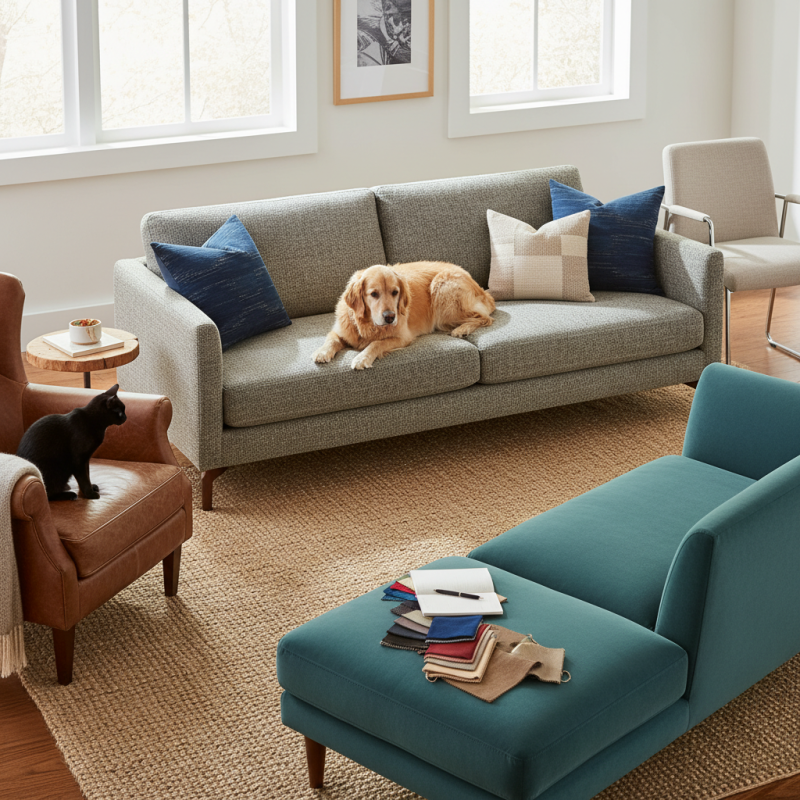
Many people overlook their lifestyle when selecting upholstery. A family with pets may need something more durable than a single person in a quiet apartment. Some fabrics wear down quickly, losing their charm over time. Meanwhile, others stand the test of time but may lack the warmth or comfort desired for a cozy living space.
Different materials evoke different emotions and serve various purposes. It's vital to understand your needs and preferences. Investing time in this choice is crucial. It may seem overwhelming, but the right furniture upholstery material ultimately enhances your home. Think carefully and reflect on what feels right for your space.
Understanding Different Furniture Upholstery Materials
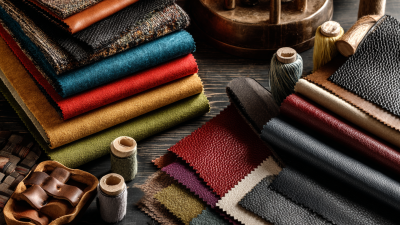
When choosing upholstery materials, it’s essential to know what options are available. There are various types of fabrics. Each has its own unique qualities.
For instance, cotton is soft and breathable. It can be easy to clean. However, it might wear out faster than synthetic materials.
Leather is another popular choice. It offers durability and a classic look. Yet, it can be challenging to maintain. It often requires special cleaners.
Velvet is luxurious but can be difficult to keep clean. One small spill can leave a lasting mark.
Consider purpose when selecting your material. Some fabrics resist stains better than others. If you have pets, this could be important. Remember, the right choice can enhance your space. But it also comes with responsibilities. Care and maintenance can vary widely. It’s vital to reflect on how much effort you’re willing to invest.
Evaluating Durability and Maintenance of Upholstery Fabrics
When choosing the right upholstery material, durability is key. High-traffic areas demand strong fabrics. Think about how often the furniture will be used. For example, homes with pets or kids require tougher materials that can withstand wear and tear. Look for options labeled as stain-resistant or easy to clean. Some fabrics may look great but can easily show signs of aging.
Maintenance is another critical aspect. Certain fabrics require special care, which may not suit everyone's lifestyle. For instance, leather can be elegant but needs regular conditioning. Meanwhile, synthetic materials may offer durability and low maintenance. However, they can sometimes feel less inviting. Balancing aesthetics with practicality can be challenging. Testing fabrics for comfort and resilience is wise. It’s important to remember that what works for one household might not work for another. Consider your unique needs carefully.
Assessing Comfort and Aesthetic Appeal in Material Choices
When choosing upholstery for furniture, comfort and aesthetic appeal are paramount. According to a recent study by the American Upholstery Association, 70% of consumers prioritize tactile comfort over visual aspects. The texture of the fabric can significantly impact comfort. Natural fibers like cotton and linen feel soft against the skin. However, they may not be as durable as synthetic options like polyester.
Color choice plays a crucial role, too. A survey revealed that 60% of individuals choose upholstery colors based on their existing decor. This can limit options. Dark colors may hide stains but can make a space feel smaller. Light colors enhance natural light but show dirt quickly. Assessing the right balance can be challenging, especially when you consider lighting and foot traffic.
Durability is another factor to weigh. Blending aesthetics with longevity can feel like a juggling act. Fabrics rated for heavy use, such as textured weaves, often sacrifice smooth aesthetics. Textile Research Journal noted that 40% of homeowners regret their upholstery choice after a few years. This reflects the need for careful evaluation before making decisions, ensuring both comfort and beauty endure over time.
Considering Environmental Impact and Sustainability of Upholstery
When choosing upholstery materials, environmental impact is crucial. Natural fibers like cotton and linen are better choices than synthetics. These materials break down easily and reduce landfill waste. They also have a smaller carbon footprint during production. Not all natural fibers are created equal, though. Some may require excessive water or pesticides. Research is essential.
Consider sourcing materials locally. This can minimize transportation emissions. Look for certifications that verify sustainability practices. Not every "eco-friendly" label guarantees a truly green product. Some practices can be misleading. Always check the source, and question the production methods.
Think about how often you change furnishings. Investing in durable, sustainable upholstery can save money long-term. Cheap, synthetic options may feel appealing initially. However, they often wear out quickly and contribute to pollution. Choose wisely, and ensure your choices align with your values. Sustainability is a journey, not an end point. Every little decision matters.
Analyzing Cost-Effectiveness and Lifespan of Upholstery Options
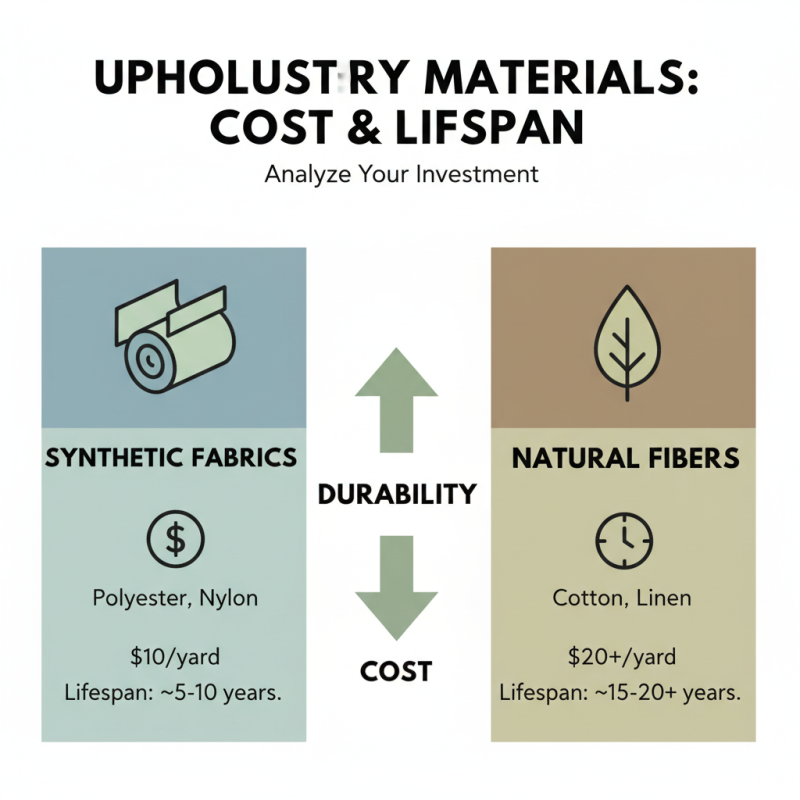
When analyzing cost-effectiveness and lifespan of upholstery materials, several factors stand out. Synthetic fabrics, such as polyester and nylon, are popular choices due to their affordability. Reports show that these materials can cost as low as $10 per yard, making them budget-friendly. However, they often lack the durability of natural fibers. For example, cotton upholstery can last up to ten years longer than polyester under similar conditions.
Natural fibers, like leather and wool, provide a different value proposition. Although leather is more expensive, often ranging from $30 to $100 per square foot, its longevity can be worthwhile if maintained properly. Statistics suggest that quality leather can last up to 25 years, making it a cost-effective option in the long run. However, maintenance can be an additional concern, as neglect may lead to quicker deterioration.
Interestingly, many buyers overlook the long-term costs of their choices. Some may prefer initial savings, only to face higher replacement costs down the line. Taking time to reflect on these options can lead to smarter decisions. Investing in materials that balance cost with durability may save money and effort in the future.
Related Posts
-
Why Choosing the Right Sofa Upholstery Fabric Can Transform Your Living Space
-
The Ultimate Guide to Choosing the Perfect Sofa Upholstery for Your Home
-
Ultimate Guide to Choosing the Right Furniture Upholstery for Your Home
-
Ultimate Guide to Choosing the Best Furniture Upholstery Material
-
What is the Role of Designer Upholstery Fabric in Enhancing Home Aesthetics and Durability
-
Revolutionizing Interior Design Trends with Designer Upholstery Fabric at 2025 China Import and Export Fair