What is Leather Upholstery and How to Choose the Best for Your Needs
When it comes to home decor, few elements can match the elegance and timeless appeal of leather upholstery. This luxurious material not only enhances the aesthetic value of furniture but also promises durability and comfort, making it a popular choice among homeowners and interior designers alike. Understanding the characteristics of leather upholstery and how it fits into your living space is essential for making informed decisions that cater to your style preferences and practical needs.
Choosing the right leather upholstery involves a multitude of factors, from the type of leather and its care requirements to the specific uses within your home. Whether you're outfitting a cozy living room or a sophisticated office, selecting the best leather upholstery can significantly impact both functionality and ambiance. This article will explore the various aspects of leather upholstery, offering insights into how to navigate the choices available in the market, and guiding you toward making a selection that not only complements your decor but also stands the test of time.
What is Leather Upholstery? Definition and Key Characteristics
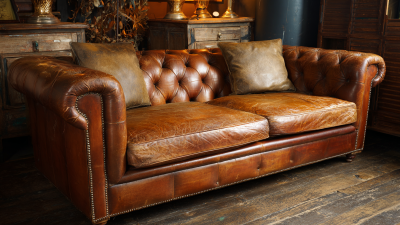
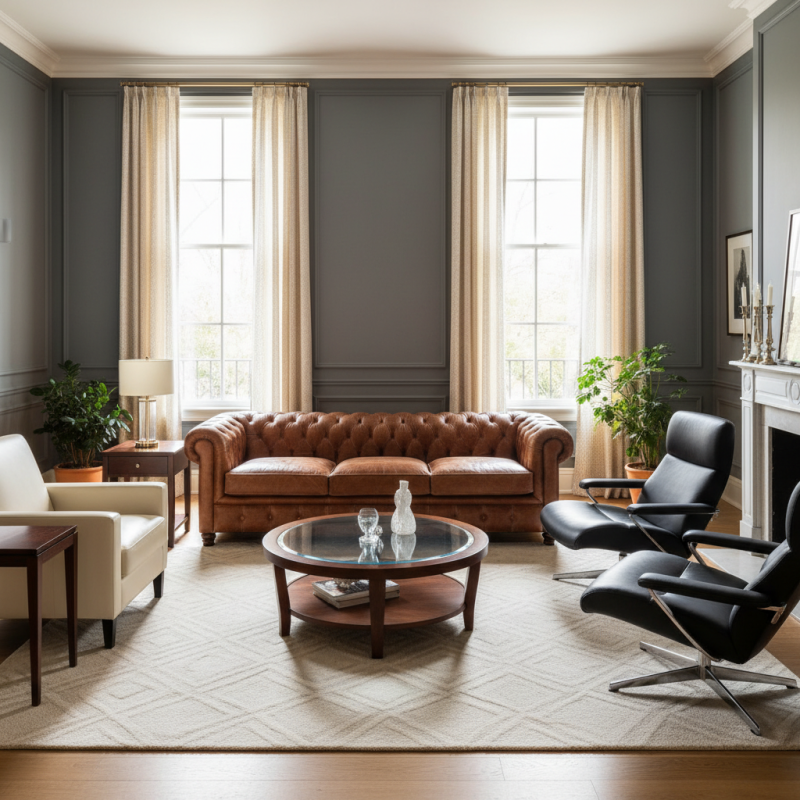
Leather upholstery refers to the use of leather as a covering material for furniture, vehicles, and other interior applications. It is characterized by its durability, elegance, and timeless appeal. Leather is made from animal hides, primarily cowhide, which undergo various treatments to enhance its appearance and longevity. The richness of leather provides not only aesthetic value but also practical benefits, such as resistance to wear and tear, making it a favored choice for high-traffic areas.
Key characteristics of leather upholstery include its natural texture, ability to age gracefully, and comfort. Unlike synthetic materials, leather retains its original form and develops a unique patina over time, adding to its charm. Additionally, leather is hypoallergenic, which makes it suitable for individuals with sensitivities. When choosing leather upholstery, it's important to consider factors like the type of leather (full grain, top grain, or suede), its thickness, and the specific finish, as these can significantly affect both the look and feel of the final product.
What is Leather Upholstery and How to Choose the Best for Your Needs
| Characteristic |
Description |
Benefits |
Considerations |
| Durability |
Leather upholstery is known for its long-lasting properties. |
Can withstand wear and tear, making it a good investment. |
May require regular maintenance to keep its appearance. |
| Comfort |
Soft and pliable, providing comfort for prolonged use. |
Breathes well, adapting to body temperature. |
Can be slippery if not treated with a non-slip coating. |
| Aesthetic Appeal |
Offers a classic and elegant look that enhances décor. |
Available in various colors and textures. |
Color can fade over time if exposed to direct sunlight. |
| Sustainability |
Can be sourced from animal hides, raising ethical concerns. |
Synthetic leather options are available as a more humane alternative. |
May not be as durable as genuine leather. |
| Maintenance |
Requires regular cleaning and conditioning to prevent dryness. |
Easy to clean with a damp cloth. |
Improper care may lead to cracking and loss of luster. |
Types of Leather Used in Upholstery: An Overview of Grades and Styles
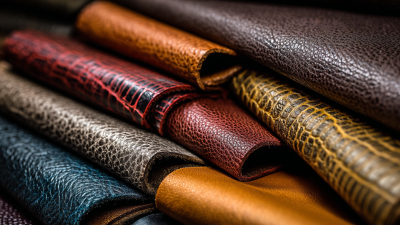
When it comes to leather upholstery, understanding the various types of leather used can significantly influence your choice and satisfaction. Leather grades are determined by factors such as the quality of the hide, the processing method, and the intended use. Full-grain leather, often regarded as the highest quality, retains the natural grain and imperfections of the hide, offering exceptional durability and a luxurious feel. Conversely, top-grain leather is slightly sanded to remove imperfections, providing a more uniform appearance while maintaining much of the original hide's strength and quality.
In addition to grades, styles of leather upholstery also play a crucial role in selection. Aniline leather is dyed using soluble dyes that allow the hide's natural texture to shine through, making it incredibly soft but more susceptible to staining. Semi-aniline leather offers a protective coating that enhances durability while showcasing the natural grain. For those seeking practicality, pigmented leather is coated with a color layer, providing resistance against wear and tear, though it may lack the softness of aniline varieties. Understanding these distinctions will help you tailor your choice to your specific needs, ensuring that your leather upholstery not only meets aesthetic desires but also withstands the test of time.
Factors to Consider When Choosing Leather Upholstery for Your Space
When choosing leather upholstery for your space, several factors warrant careful consideration to ensure you make the right decision. First and foremost, understand the different types of leather available. Full-grain leather, for example, is the most durable and ages beautifully, while top-grain leather offers a more uniform finish that can be easier to maintain. Consider the intended use of the space as well; high-traffic areas may benefit from more robust and resilient leather types, while a formal setting might call for a more luxurious option.
Another critical factor is the color and texture of the leather. These elements should harmonize with your existing decor and overall aesthetic. A lighter shade may help brighten a space, while darker colors can add warmth and sophistication. Additionally, the texture of the leather—whether it's smooth, pebbled, or distressed—can influence not only the visual appeal but also the tactile experience. It's essential to choose a texture that complements both your furniture style and your personal comfort preferences, ensuring that your upholstery feels as good as it looks.
Maintenance Tips for Keeping Your Leather Upholstery in Excellent Condition
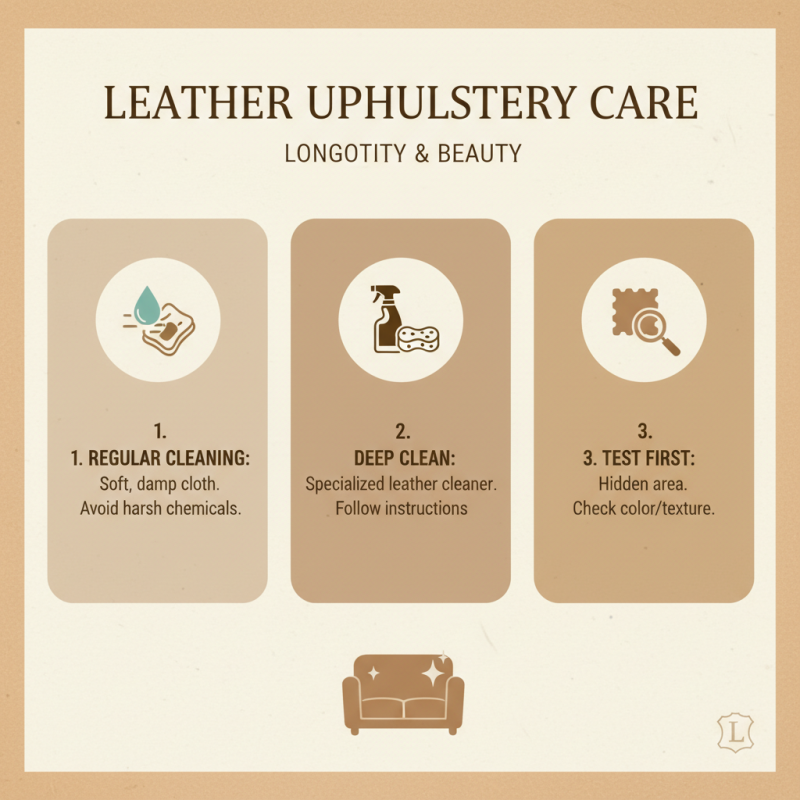
Maintaining leather upholstery is essential to ensure its longevity and aesthetic appeal. Regular cleaning is the first step in this maintenance routine. Use a soft, damp cloth to wipe away dust and dirt, avoiding harsh chemicals that can damage the leather. For a deeper clean, a specialized leather cleaner can be applied according to the manufacturer's instructions. It's important to test any product on a hidden area first to ensure it doesn't affect the color or texture of the leather.
Conditioning is another critical aspect of leather upkeep. Applying a leather conditioner every six months helps to keep the material supple and prevents cracking. This step is especially important in climates with extreme temperatures, where leather can dry out quickly. Additionally, protect the leather from direct sunlight to reduce fading, and be cautious with sharp objects that may scratch the surface. With these maintenance tips, your leather upholstery can retain its luster and comfort for many years.
Cost Analysis: Comparing Leather Upholstery to Other Upholstery Materials
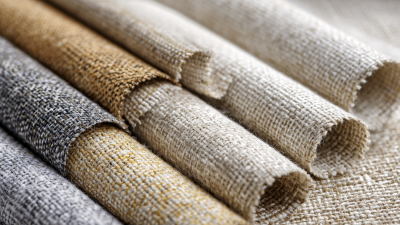
When considering upholstery options, cost is a pivotal factor to weigh heavily in the decision-making process. Leather upholstery is often perceived as a premium choice, generally priced higher than fabric alternatives such as polyester, cotton, or synthetics. The initial investment for leather can be substantial; however, it’s essential to also consider durability and longevity. Quality leather can outlast most fabric upholstery, leading to cost savings over time, as it typically requires less frequent replacement and is easier to maintain.
In comparing leather upholstery with other materials, one must evaluate not just the upfront costs but also the long-term value. While synthetic options may offer a lower price point, they might not provide the same level of durability or elegance that leather does. Additionally, natural fibers like cotton and wool, though breathable and comfortable, can be less resistant to stains and wear. It’s critical to analyze your specific needs, including lifestyle factors – such as whether you have pets or children – and how often the furniture will be used. Ultimately, the best choice will depend on striking the right balance between your budget and the performance requirements of your upholstery.
Cost Analysis: Comparing Leather Upholstery to Other Upholstery Materials