

Blog
Blog
Blog
Top Modular Trade Show Booth Ideas for Global Buyers
For global buyers, a trade show booth must do more than look attractive. It should explain your offer quickly, welcome different cultures, and support practical conversations. A Modular Trade Show Booth can provide that balance through reusable frames, replaceable graphics, adjustable lighting, and flexible meeting areas. These features help brands adapt booth sizes across cities without rebuilding everything from scratch.
Small details matter. A clear product wall can guide visitors from a busy aisle. Lockable storage keeps samples, brochures, and personal items organized. A counter at standing height encourages brief discussions, while a quieter table supports serious negotiations. Reliable materials, accurate assembly drawings, and tested electrical components also reduce avoidable problems during setup. Experienced exhibitors often plan shipping dimensions before approving the final design. That step can prevent expensive surprises at international venues.
Not every popular idea works everywhere. A bright open layout may attract visitors, yet it can feel exposed during private discussions. Large screens create energy, but poor subtitles or weak sound can frustrate international audiences. These trade-offs deserve honest review. The best concepts are not always the most dramatic. They are practical, accessible, reusable, and easy for local teams to install correctly.
This guide explores top Modular Trade Show Booth ideas for global buyers. It focuses on visual impact, visitor flow, brand consistency, sustainability, and dependable execution. Some recommendations may need refinement for your industry. That is normal. A strong booth evolves through measurement, feedback, and experience from one exhibition to the next.
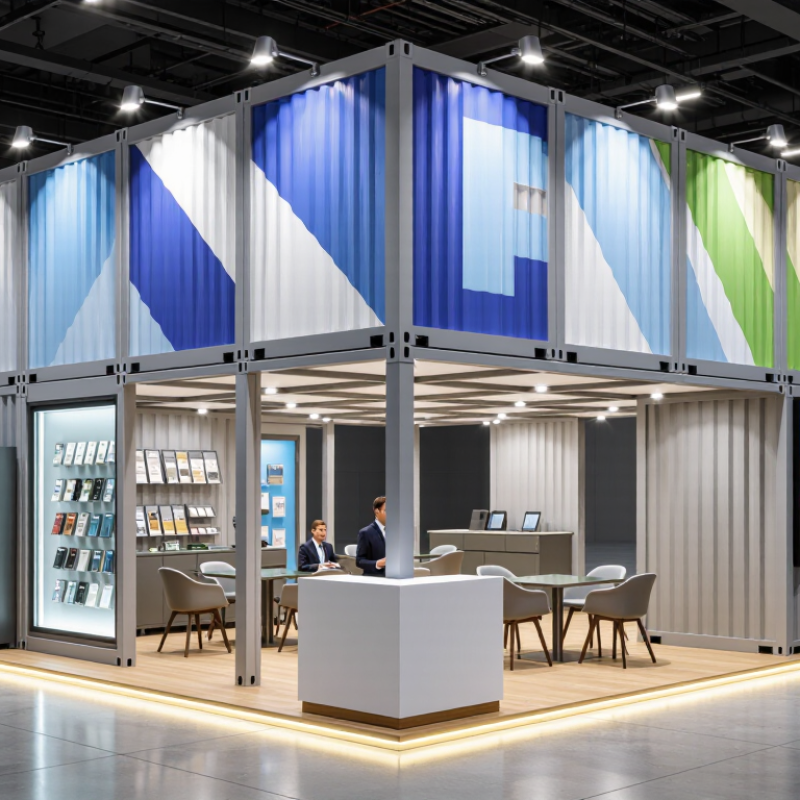
Understanding Modular Trade Show Booths for Global Markets
Modular trade show booths help global buyers create a consistent presence without rebuilding every display from scratch. Their reusable frames, graphic panels, counters, and lighting can adapt to different booth sizes. In practice, this flexibility reduces shipping volume and setup time. It also supports a more controlled budget. Yet, modular does not mean effortless. A frame that works in one venue may feel cramped in another. Measure the space carefully.
For global markets, the booth should balance visual consistency with local expectations. Clear product messages, readable typography, and multilingual graphics can improve conversations with international visitors. Materials should be durable, lightweight, and easy to replace. Confirm floor loading, electrical requirements, fire safety rules, and accessibility standards with the event organizer. Requirements vary by country and venue. I have seen attractive booths lose impact because storage was forgotten. That small mistake can leave cartons, samples, and staff items in public view.
Tips: Choose tool-light components for faster assembly. Test the full booth before shipping. Keep one spare graphic panel available. Use adjustable lighting for different hall conditions. Ask local partners to review translations and visitor flow. Do not assume one layout suits every audience. A modest revision may perform better than a perfect-looking template. Track visitor questions during the event, then use them to refine the next configuration. Some ideas will fail. That is useful evidence.
Top Modular Trade Show Booth Ideas for Global Buyers - Understanding Modular Trade Show Booths for Global Markets
| Booth Concept | Typical Configuration | Recommended Space | Main Materials | Typical Setup Time | Global Buyer Value | Best Use Case |
|---|---|---|---|---|---|---|
| Straight-Line Display | Back wall, counter, monitor mount, and brochure storage | 3 m × 3 m to 3 m × 6 m | Aluminum framing, tension fabric, laminated panels | About 1–3 hours with a trained team | Efficient shipping and simple localization of graphics | First-time exhibitors and compact regional events |
| Corner Open Booth | Two open sides, branded back wall, reception counter, and product shelving | 3 m × 3 m to 6 m × 6 m | Aluminum extrusion, fabric graphics, MDF or recycled board | About 2–5 hours | Improves visibility and visitor access from two aisles | High-traffic halls and product demonstrations |
| Island Pavilion | Four open sides, meeting areas, storage, hanging sign, and demo zones | 6 m × 6 m and larger | Reusable aluminum frames, fabric, wood-based panels, acrylic | About 1–2 working days, depending on size and rigging | Creates strong visibility and supports multiple visitor journeys | Major international exhibitions and product launches |
| Meeting-Led Booth | Semi-private meeting rooms, reception desk, storage, and presentation screen | 6 m × 6 m to 9 m × 9 m | Aluminum framing, acoustic fabric, glass or polycarbonate panels | About 1–2 working days | Supports confidential discussions across different time zones | Business-to-business sales and distributor meetings |
| Product Demonstration Bar | Interactive counter, lockable storage, power access, and overhead messaging | 3 m × 3 m to 6 m × 3 m | Powder-coated aluminum, compact laminate, acrylic, LED lighting | About 2–4 hours | Encourages hands-on engagement without requiring a large footprint | Technology, equipment, and consumer-product demonstrations |
| Portable Fabric Kit | Collapsible frame, stretch graphic, carry case, counter, and literature holder | Tabletop to 3 m × 3 m | Lightweight aluminum, polyester fabric, molded case components | About 30–90 minutes | Lower transport volume and easier movement between countries | Roadshows, seminars, smaller fairs, and local sales visits |
| Sustainable Reconfigurable Booth | Reusable frame, replaceable graphics, modular shelves, and rental-compatible components | 3 m × 3 m to 9 m × 6 m | Reusable aluminum, recycled-content panels, fabric, FSC-certified wood where specified | About 3 hours to 2 working days | Extends asset life and allows graphics to be adapted for different markets | Companies exhibiting repeatedly across regions |
Planning note: Space dimensions are shown in metric units. Setup times are indicative ranges for trained installation crews and may vary according to venue rules, electrical work, suspended signage, flooring, product weight, and local labor requirements.
Key Design Features That Support International Exhibitions
Top Modular Trade Show Booth Ideas for Global Buyers
International exhibitions demand more than attractive graphics. Use concise headlines, readable type, and visuals that work across languages. Leave space for translated text, because some languages need wider layouts.
Adjustable lighting can highlight products without creating glare on screens. Include accessible counters and seating for longer conversations. Check venue rules for fire safety, electrical loads, hanging signs, and installation times. These requirements vary widely. A beautiful design can still fail when local restrictions appear late.
Tips: Test the booth before shipping it. Pack labeled components in protective cases. Photograph each assembly stage for local crews. Measure doorways and elevators, not just the floor space. I once underestimated cable length, creating an avoidable delay. That mistake changed our checklist. Ask regional partners to review colors, symbols, and wording. Their feedback may challenge your assumptions, but it often prevents confusion. Track visitor movement during the event and adjust lighting or signage when people hesitate.
How to Select the Right Booth Layout and Modular System
Top Modular Trade Show Booth Ideas for Global Buyers
How to Select the Right Booth Layout and Modular System
Selecting a modular booth starts with visitor behavior, not decoration. A 3×3-meter space needs a clear entrance, open sightlines, and one strong message. CEIR industry research reports that about 81% of trade show attendees influence purchasing decisions. Your layout should support fast conversations and qualified lead capture. An open-perimeter design works well for high traffic. A semi-private meeting zone suits technical products and longer discussions. Do not overbuild the center. It often becomes a visual barrier.
Choose the modular system according to transport, reuse, and local service needs. Aluminum frames reduce bulky shipping compared with many custom-built structures. Tool-free connectors can shorten installation, but only when the system is engineered properly. Ask for load ratings, fire-safety documentation, replacement-part availability, and assembly instructions. UFI’s Global Exhibition Barometer continues to show strong expectations for exhibition activity, making reusable systems more valuable across multiple markets. Still, flexibility is not automatic. A system designed for one show may perform poorly in a smaller hall.
Tips: Sketch three visitor paths before ordering. Mark product storage behind the graphics. Test lighting from eye level. Keep text readable from five meters. Leave space for wheelchairs and staff movement. Measure doors, lifts, and storage limits. Small details matter.
I have seen teams prioritize dramatic towers over practical conversations. That choice looks impressive, but it can waste budget and floor space. Reconsider the layout after a real staff rehearsal. The best booth may feel less perfect, yet work better.
Top Modular Trade Show Booth Ideas for Global Buyers
Common booth footprints can help global buyers select a modular system that matches traffic flow, product display needs, and the number of open sides.
Inline booths are space-efficient for focused displays, while corner booths improve visibility from two aisles. Peninsula and island layouts provide more open access and floor area for demonstrations, meeting spaces, and larger modular exhibits. The footprints shown are common nominal trade show dimensions; venue regulations should always be confirmed before ordering.
Materials, Branding, and Technology for Global Buyers
Modular trade show booths must travel well, assemble quickly, and communicate clearly across markets. Aluminum frames, recycled fabric graphics, and replaceable panels reduce shipping volume and support repeated use. However, “eco-friendly” should not be printed without evidence. Ask suppliers for recycled-content records, environmental product declarations, or lifecycle data. The details matter.
Branding should work from three distances: across the hall, at the aisle, and during a conversation. Use one strong message, restrained colors, and readable type. The Freeman Trends Report found that 80% of surveyed attendees value in-person events for experiences digital channels cannot fully replace. That supports tactile samples, working demonstrations, and human-led storytelling. Less decoration. More proof.
Technology can make a compact booth feel useful, not merely impressive. Add QR codes linked to localized product pages, touchscreens with technical specifications, and lead forms that respect consent requirements. UFI’s 2024 Global Exhibition Barometer reported continued growth expectations for exhibition activity, while also identifying cost pressure as a major concern. Modular components help control that pressure, but cheap construction can create unstable walls, visible cable clutter, or difficult repairs. I have seen beautiful concepts fail during setup. A practical test should include transport, assembly, lighting, accessibility, and a full technology rehearsal. Even then, something may go wrong. Design for recovery.
Logistics, Setup, Reuse, and Budget Planning Across Countries
Global buyers need modular trade show booths that travel well and adapt quickly. In booth projects I have managed, shipping volume caused more trouble than design. Choose lightweight frames, flat-packed panels, and reusable crates with clear labels. Measure twice. A missing connector can delay an entire setup.
Logistics vary across countries, so confirm venue rules before production. Check doorway sizes, loading times, electrical limits, fire ratings, and local labor requirements. Ask for written handling instructions from the freight provider. Customs paperwork also needs accurate product descriptions and packing lists. Plans can fail. I once underestimated storage space, leaving display panels in a crowded hotel room overnight.
Setup becomes easier when every part has a code and a simple diagram. Keep tools, spare fasteners, and printed instructions inside one service case. Allow extra hours for unfamiliar venues, language differences, and restricted delivery windows. A small test assembly before shipping can reveal weak joints or confusing graphics.
Reuse should guide the original budget. Replaceable fabric graphics, adjustable shelves, and standard lighting reduce future costs. However, modular does not mean universally compatible. Some countries require different power adapters or certified electrical equipment. Price the full project, including transport, labor, storage, taxes, repairs, and disposal. A low purchase price may hide expensive handling. Review the budget after each event, because real invoices often challenge the first estimate.