

Blog

blog

Blog

blog

Blog

blog

Top 10 NIJ Level III Bulletproof Plates for Global Buyers

A Nij Level3 Bulletproof Plate may look straightforward in a product listing, but its label alone cannot tell buyers how it performed. Plate shape, weight, construction, test documentation, and fit all matter. A few ounces become noticeable during a long shift. So does an edge that presses beneath a carrier strap.

For context, terminal-ballistics researcher Gary K. Roberts is a useful expert reference. A practical paraphrase of a principle reflected in his field is: “A protection rating applies to defined test conditions, not every possible threat.” This is a paraphrase, not a verified verbatim quotation. That distinction matters. Buyers should check the exact model, test standard, and current certification status rather than relying on broad claims or a familiar label.

This guide compares ten options for global buyers, focusing on evidence and practical trade-offs—not promises of universal protection. Look for clear model identification, accessible test information, realistic weight and dimensions, and fit details. Check the seller’s claims against authoritative documentation, and confirm that the product suits its intended, lawful use. Availability and import requirements can vary by location, so verify local rules before purchase. Some listings make comparison feel simple. It isn’t always. Even well-documented plates have limits, and a ranking cannot replace careful evaluation.
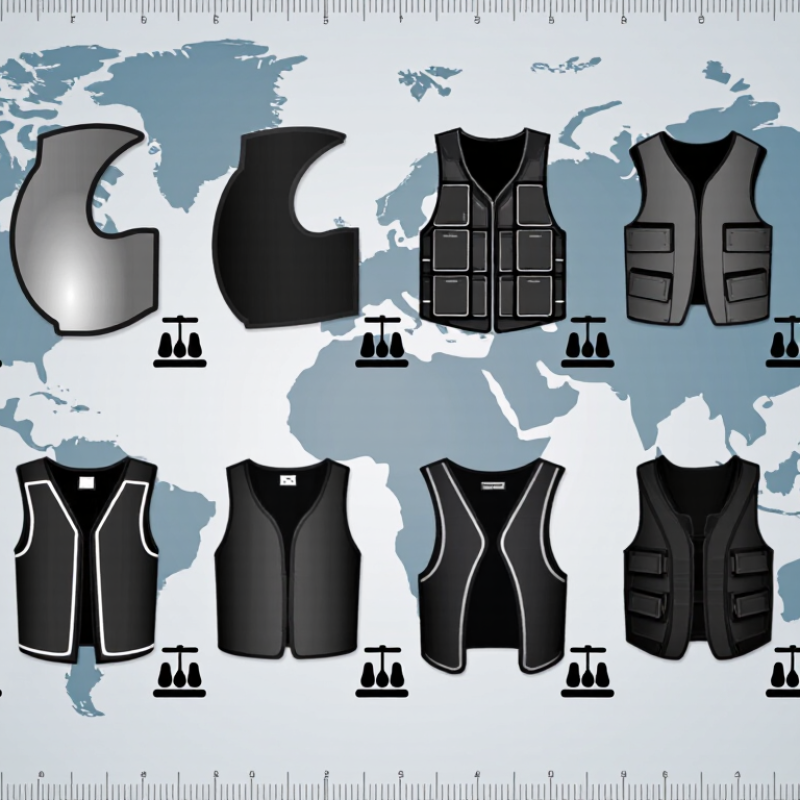
Top 10 NIJ Level III Bulletproof Plates for Global Buyers

Understanding NIJ Level III Plate Ratings and Test Standards

NIJ Level III is a test rating, not a promise against every rifle threat. Under NIJ Standard-0101.06, conditioned armor is tested with six 7.62×51 mm M80 ball rounds at a nominal 2,780 feet per second. The standard also limits backface signature in clay to 44 mm. That matters. A plate that passes one test may not cover other ammunition or impact conditions.

The newer NIJ 0101.07 standard uses rifle threat levels, including RF1, rather than simply carrying the old Level III label. NIJ 0123.00 specifies RF1 threats such as M80, 7.62×39 mm mild-steel-core, and 5.56 mm M193 ammunition. Buyers comparing products across markets should check which standard and threat list a test report names. Labels can look similar while describing different test protocols.

Check the paperwork. Look for the exact model, tested configuration, conditioning details, and current NIJ compliance status; a sales sheet alone is not independent verification. NIJ standards describe controlled laboratory methods, not every field condition. A plate’s fit, coverage, and condition also affect practical protection. Still, a familiar rating can feel more reassuring than the evidence warrants. For global procurement, compare documented test results, not just the words “Level III.”

Key Factors Global Buyers Should Compare Before Choosing Plates

Global buyers should compare the test standard, exact threat, fit, weight, and documentation—not just the “Level III” label. NIJ Standard-0101.06 specifies six impacts for Level III hard armor, using 7.62 mm M80 ammunition at a nominal 2,780 feet per second. Ask for the complete laboratory report, including conditioning and backface deformation results. A rating alone leaves questions.

Check whether the plate is standalone or requires soft armor, then confirm its size and curve against the wearer’s carrier. A plate that shifts, digs into the ribs, or blocks movement can undermine practical use. Compare actual plate weights and dimensions, not catalog estimates. Review edge-to-edge coverage, material construction, storage limits, warranty terms, and serial-number traceability. NIJ’s 0101.07 standard uses updated rifle-threat categories, so buyers should verify which standard and test claim a supplier is making. Details matter.

Tips: Request reports for the exact model and configuration. Compare the tested sample with the delivered plate. I would still question vague claims like “tested to NIJ”; they do not identify the lab, protocol, or result. A careful comparison takes time.

Top 10 NIJ Level III Bulletproof Plates for Global Buyers — Key Factors to Compare Before Choosing
No. Generic Plate Configuration Construction / Design Potential Advantages Important Trade-offs Key Checks for Buyers
1 Monolithic ceramic composite A ceramic strike face bonded to a backing material; exact materials and construction vary by model. Can be engineered for rifle-rated protection with a relatively low carried weight compared with many steel designs. Performance, weight, durability, and multi-hit behavior are model-specific; inspect and replace according to the manufacturer’s instructions after impacts or damage. Verify the exact model’s NIJ status, tested threat, dimensions, declared weight, warranty, and inspection guidance.
2 Ceramic with UHMWPE backing Ceramic strike face paired with a high-strength polyethylene backing. A common lightweight composite approach; may suit buyers balancing protection and carried load. Do not assume all ceramic or polyethylene combinations offer the same threat coverage or environmental durability. Request model-specific test documentation and confirm storage, temperature, moisture, and service-life guidance.
3 Ceramic with aramid backing Ceramic strike face combined with an aramid-fiber backing. Offers a different composite construction option for buyers comparing material systems and supply requirements. Actual weight, thickness, and performance depend on the complete design, not the backing material alone. Compare independently verified performance, complete-plate weight, thickness, and care instructions—not material claims alone.
4 UHMWPE composite plate Multiple layers of high-strength polyethylene, with construction varying by model. Can offer a low-weight option where the exact model is rated and tested for the buyer’s required threat. Protection against particular projectiles cannot be inferred from the material name or a general “Level III” claim. Check the exact certified model and test threat; specifically confirm whether the required ammunition is covered.
5 Hardened steel plate Steel plate made from a specified alloy and heat-treatment process; coatings may be applied. Can be durable in handling, and its construction is readily visible for inspection. May be heavier than some composite options. Bullet fragmentation or spall management depends on the design and should not be assumed from a coating claim. Confirm tested configuration, weight, edge protection, coating durability, and documented fragmentation-management performance.
6 Multi-curve plate Curved across more than one axis to follow the torso. May fit the body more closely and improve comfort for some users during extended wear. Fit is personal and depends on body shape, plate size, carrier, and orientation; a more complex shape may affect cost and availability. Test the plate in the intended carrier and verify dimensions, curvature, and the marked strike-face orientation.
7 Single-curve plate Curved in one direction, typically across the width of the plate. Provides a simpler fit profile that may work well with compatible carriers and user body shapes. May not conform as closely as a multi-curve design for every wearer; comfort cannot be judged from a product photo alone. Check curve direction, plate dimensions, carrier compatibility, and fit while seated and moving.
8 SAPI-style cut Common body-armor outline with clipped upper corners; sizes and exact dimensions vary. Widely used carrier format, which can simplify sourcing compatible carriers in some markets. “SAPI-style” describes a shape, not a protection rating, certification, or guarantee of compatibility. Compare measured height, width, thickness, corner geometry, and carrier pocket specifications.
9 Shooter’s-cut plate Upper corners are cut back to provide additional shoulder clearance. May improve arm movement and shouldering a long gun for some users. The reduced upper-corner coverage may not suit every user or operational requirement. Assess coverage and mobility in the intended carrier; confirm that the exact cut and size match the user’s needs.
10 Swimmer’s-cut plate A more deeply cut upper profile intended to allow greater shoulder movement. Can support mobility-focused use when the user accepts the corresponding coverage profile. Provides less coverage around the upper chest and shoulder area than less aggressively cut shapes. Compare the actual coverage area and fit with the carrier; select based on a documented protection and mobility requirement.

Important: These are generic configurations, not ranked or certified products. Under NIJ Standard 0101.06, Level III testing is associated with specified 7.62 × 51 mm M80 FMJ ammunition; a Level III claim does not mean protection against every rifle round or armor-piercing ammunition. Confirm the exact model and current status in the applicable NIJ Compliant Products List, and check the required threat, fit, size, weight, and care instructions before purchase.

Top 10 NIJ Level III Bulletproof Plates for Global Buyers

For global buyers, “NIJ Level III” is a useful starting point, not a complete purchasing specification. NIJ Standard-0101.06 defines Type III testing against 7.62 mm M80 full-metal-jacket rounds, with six impacts in the prescribed test sequence. Its limit for backface deformation is 44 mm. These figures help compare claims, but only when the plate’s test report identifies the exact model, size, and construction. Check the NIJ Compliance Testing Program listing, too; a supplier’s brochure alone is not independent verification.

Standards evolve. NIJ 0101.07 uses rifle threat levels such as RF1, so buyers should confirm which edition and threat each product actually meets. Ask for current laboratory reports, conditioning details, and production traceability. Compare weight and coverage against the wearer’s needs: a heavier plate may offer a different protection profile, but can reduce comfort during long shifts. Small fit differences matter. I would also recheck shipment and storage conditions; this step is easy to overlook.

Tips: Request the full test report, not just a certificate image. Confirm the plate’s label matches the report, and ask how the manufacturer controls batch consistency. For cross-border procurement, verify applicable import, workplace, and product requirements with qualified local authorities. A test result is valuable, but it does not answer every sourcing question.

Plate Materials, Weight, Fit, and Compatibility Explained

NIJ Level III plates can differ sharply in material, weight, and fit. Ceramic plates may reduce weight and can resist multiple impacts, depending on their tested design. Polyethylene plates are often lighter, but their limits vary by construction. Steel plates can be durable, yet their weight and edge-splash concerns deserve careful review. No material is best for every carrier or user.

Check the exact plate model, size, curve, and tested configuration against the applicable NIJ standard and official records. “Level III” alone does not describe every threat or guarantee protection in every situation. Weigh the plate, then wear it in the intended carrier for a short, supervised fit check. A plate that shifts, presses into the ribs, or leaves gaps may be a poor match. Small sizing errors matter.

Tips: Measure your torso and compare the plate’s dimensions with the carrier’s internal pocket, not just its label. Check thickness, closure clearance, and whether the carrier supports the plate’s shape. Keep weight in mind; a few extra pounds can feel significant after hours of wear. Fit advice can be imperfect, so verify measurements before buying.

Import, Certification, and Procurement Considerations for Buyers

For global buyers, a “Level III” label is a starting point, not proof that every plate performs identically. Confirm the exact model, size, construction, and tested configuration against the applicable NIJ standard. Where a supplier claims NIJ compliance, check current official records and request the supporting test documentation. A certificate for a similar plate is not enough. Details matter.

Import requirements differ by destination and shipment. Before placing an order, confirm applicable export controls, import permits, customs classifications, and end-user documentation with qualified local authorities or a licensed customs professional. Ask the supplier for consistent product descriptions, country-of-origin records, and packing documents. Even a small mismatch between an invoice and a label can delay clearance. Keep records.

Procurement checks should cover more than price and lead time. Request lot or serial traceability, warranty terms, storage guidance, and written procedures for handling damaged plates. Confirm dimensions and carrier compatibility using actual measurements, not a product photo. Freight exposure also matters: moisture, rough handling, or poor packaging can complicate inspection on arrival. One thing buyers may overlook is how much evidence gets lost across several intermediaries. I would not assume a polished report answers every question; unclear gaps deserve follow-up before payment.

Top 10 NIJ Level III Bulletproof Plates for Global Buyers — Import, Certification, and Procurement Considerations
This chart compares nominal projectile mass for selected rifle test threats referenced by NIJ standards; it is not a ranking of plates. NIJ 0101.06 Level III testing uses 7.62×51 mm M80 ammunition. NIJ 0101.07 RF1 includes M80, 7.62×39 mm MSC, and 5.56 mm M193 threats; RF2 adds 5.56 mm M855. Projectile mass alone does not indicate plate performance. Buyers should verify the exact armor model and configuration against the applicable NIJ compliant-products listing and test requirements.