What is Sachet Film and Why is it Essential for Packaging?
Sachet Film is a vital component of modern packaging. It serves many industries, from food to pharmaceuticals. According to Dr. Emily Chen, a packaging expert at the Packaging Research Institute, “Sachet film offers unmatched protection and convenience in a compact format.” Her insights shed light on the significance of this material.
Sachet film is designed to safeguard products from moisture, light, and air. This enhances shelf life and maintains product integrity. Many consumers appreciate the ease of use that sachets offer. However, it's important to address the environmental impact of such materials. Plastic waste is a growing concern, and sachet film can contribute to this issue if not managed properly.
The balance between convenience and sustainability is crucial. As we advance, the industry must innovate. Biodegradable options could provide a solution. Companies are challenged to rethink their packaging strategies. The future of sachet film depends on responsible choices. This is a complex issue that requires ongoing dialogue and thoughtful action.
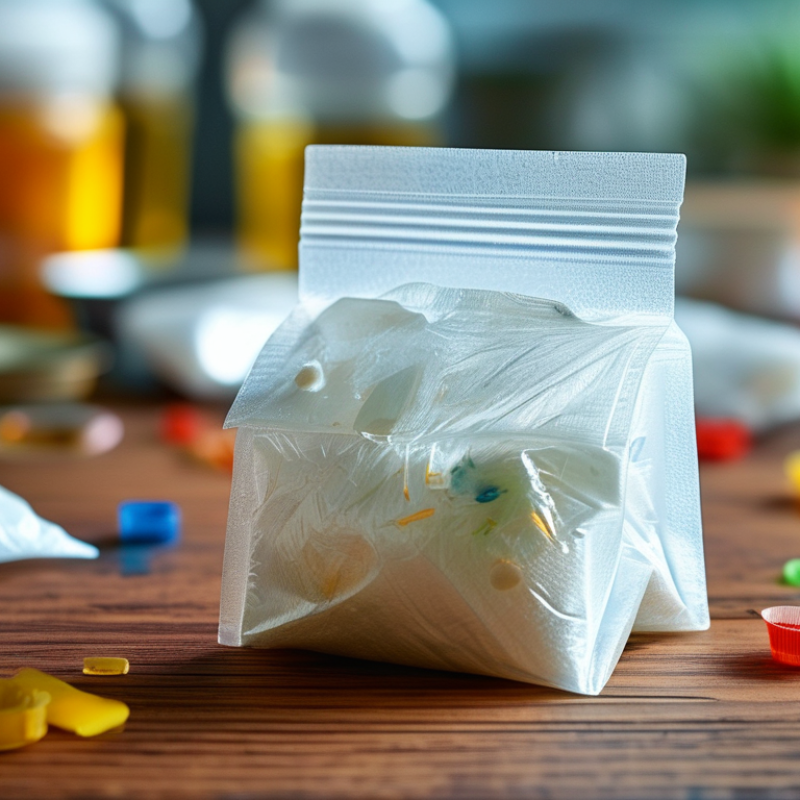
Definition and Composition of Sachet Film
Sachet film is a crucial component in modern packaging. It consists of thin layers of polymer materials, often combined to enhance barrier properties. This film protects products from moisture, air, and light. Its versatility allows it to be used for a variety of items, such as food, pharmaceuticals, and personal care products.
The composition of sachet film typically includes layers of polyethylene, polypropylene, or metallized films. These materials provide strength and durability. The combination of these polymers leads to effective sealing and user-friendly packaging. Yet, the production process can raise questions about sustainability. The impact of plastic waste is a growing concern in the packaging industry.
While sachet film is effective, it is not flawless. Its reliance on plastic materials poses environmental challenges. Many companies are exploring alternatives or biodegradable options. The balance between functionality and sustainability is an ongoing debate. Innovations in this field are necessary to meet consumer demands for eco-friendly solutions while maintaining product integrity.
What is Sachet Film and Why is it Essential for Packaging? - Definition and Composition of Sachet Film
| Property | Description |
| Material Type | Multi-layer polymer blends (e.g., PE, PET, BOPP) |
| Thickness | Typically between 30 to 150 microns |
| Barrier Properties | Excellent moisture and gas barrier |
| Applications | Food sachets, pharmaceutical packaging, cosmetics |
| Advantages | Lightweight, easy to open, customize sizes and shapes |
| Recyclability | Depends on the composition; some are recyclable |
Key Properties and Benefits of Sachet Film in Packaging
Sachet film is gaining traction in the packaging industry due to its unique properties. This film is thin, flexible, and offers excellent barrier protection. It effectively safeguards products from moisture, oxygen, and light, contributing to extended shelf life. A report by Smithers Pira highlights that the global sachet packaging market is expected to reach $15 billion by 2024, reflecting its growing significance.
One of the primary benefits of sachet film is its convenience. It allows for small, portion-sized packaging, ideal for products like condiments or personal care items. This format not only enhances user experience but also reduces waste. Additionally, sachet films can incorporate re-sealable options, catering to consumer demand for practical solutions. However, the challenge lies in balancing material thickness and flexibility while maintaining structural integrity.
Tips: Consider the environment when choosing materials. Opt for recyclable options where possible. Staying informed about advancements in sustainable sachet films is important for reducing your carbon footprint. Regularly evaluate your packaging strategies to ensure they meet consumer needs and regulatory standards.
Applications of Sachet Film Across Various Industries
Sachet film serves a unique purpose across various industries. It provides an efficient, lightweight solution for packing small quantities of products. Common uses include pharmaceuticals, food, and personal care items. The convenience of single-use sachets makes them popular for both manufacturers and consumers. They are portable and easy to use, appealing to a fast-paced lifestyle.
In the food industry, sachet films protect spices, sauces, and snacks. Their barrier properties help maintain freshness and flavor. In pharmaceuticals, sachets ensure proper dosage and protect active ingredients from moisture and air. For personal care, sachets are used for single-use samples, promoting trial without wasted product. However, the environmental impact of single-use sachets raises concerns. Many companies are exploring biodegradable alternatives.
Despite their utility, sachet films face challenges. The balance between functionality and sustainability is critical. Consumer preferences are shifting towards eco-friendly options. Manufacturers must adapt to these changes while maintaining product quality. The future of sachet film will depend on innovation in materials and production methods. As industries evolve, so too must the packaging solutions they choose.
Environmental Considerations and Sustainability of Sachet Film
Sachet films are a popular choice in packaging due to their convenience and versatility. However, their impact on the environment raises important questions. Many sachet films are made from plastic, which contributes to pollution if not properly disposed of. As consumers become increasingly aware of environmental issues, the demand for sustainable packaging solutions is growing.
In response, many companies are exploring biodegradable and recyclable alternatives to traditional sachet films. Some materials break down quickly in natural conditions, reducing their carbon footprint. These innovations aim to balance the need for effective packaging with environmental concerns. However, the transition is not without challenges. The cost of sustainable materials can be higher, leading to hesitation among manufacturers.
Transparency is vital as the industry evolves. Clear labeling helps consumers make informed choices about their purchases. In many cases, companies need to ensure that their sustainable options are genuinely effective and do not compromise product safety. Ongoing research and adaptation will be crucial in creating a future where sachet films are both functional and eco-friendly.
Future Trends and Innovations in Sachet Film Technology
Sachet film technology is evolving rapidly. Innovations in materials and production methods are pushing the boundaries of its application. Manufacturers are focusing on biodegradable options, driven by environmental concerns. These advancements aim to reduce plastic waste while maintaining product integrity. New coatings enhance barrier properties, ensuring longer shelf life.
As consumer preferences shift, convenience is key. Sachet films now feature easy-open designs that appeal to on-the-go lifestyles. Smart packaging is another trend, integrating QR codes or NFC technology. This allows consumers to access additional product information, aligning with the digital age.
Tips for manufacturers: prioritize sustainable materials without compromising quality. Engage with consumers to understand their preferences better. Innovations should not only focus on aesthetics but also on functionality and usability. Remember, the packaging should enhance the product experience, not detract from it.
It’s a challenge to balance innovation with user needs. Testing new materials is essential, yet results can be unpredictable. Be open to feedback and willing to adapt offerings for better outcomes. Striking the right balance will help shape the future of sachet film technology.
Sachet Film Usage by Sector in 2023