

How to Source Cosmetic Grade Beta Arbutin Powder?
Sourcing Cosmetic Grade Beta Arbutin Powder requires more than comparing prices or reading polished supplier brochures. Buyers need clear evidence of identity, purity, stability, and responsible manufacturing. Cosmetic chemist Dr. Barbara Olioso offers a practical reminder: “Ingredient quality must be judged in the finished formula, not only on paper.” This principle is especially important for beta arbutin, a sensitive skin-brightening ingredient requiring careful handling.
A reliable supplier should provide a recent Certificate of Analysis, batch number, production date, and recommended storage conditions. Look for HPLC testing that confirms beta arbutin content. Heavy-metal, microbiological, and residual-solvent results also deserve attention. Ask where the raw material was produced. Request traceability from manufacturing site to shipping carton. Clear answers matter.
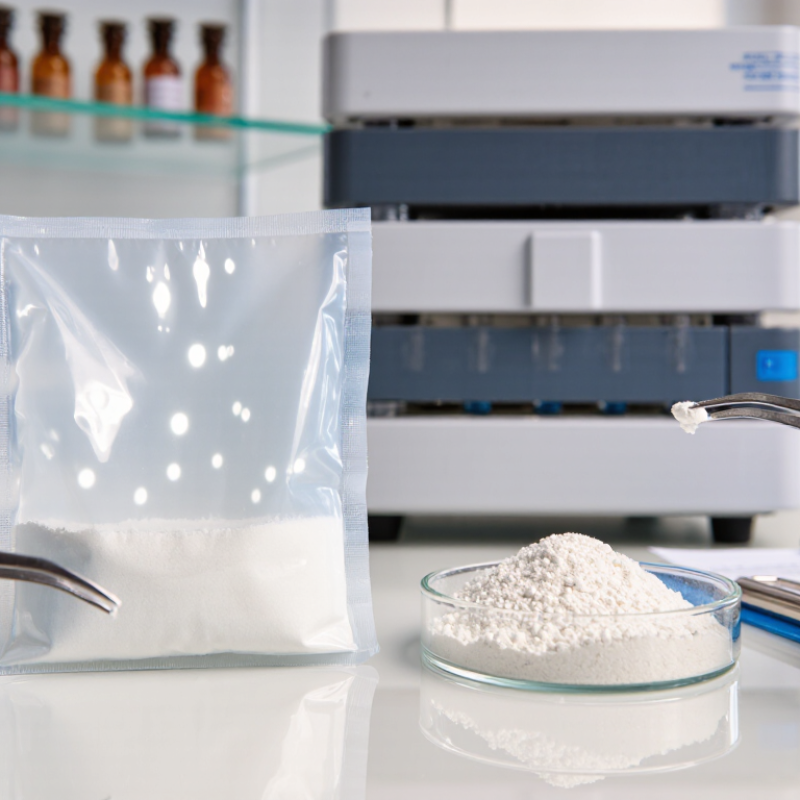
Packaging reveals experience. A sealed, light-protective inner bag can help reduce exposure to moisture and sunlight. The powder should arrive dry, uniform, and free from unusual odor or visible contamination. Still, appearance is not proof of quality. That assumption needs challenging.
Request a representative sample before placing a large order. Test its solubility, color behavior, and performance inside your intended formula. Check whether the supplier supports cosmetic GMP practices and consistent batch documentation. Regulatory expectations differ between markets, so review local requirements with a qualified compliance professional. Do not rely on one impressive certificate.
The strongest sourcing decision combines laboratory evidence, supplier communication, and practical formulation trials. Mistakes can happen, even with experienced teams. Careful verification remains the safer path to dependable Cosmetic Grade Beta Arbutin Powder.
What Is Cosmetic Grade Beta Arbutin Powder?
Cosmetic grade beta arbutin powder is a purified skin-conditioning ingredient used in brightening formulations. It is a glycosylated form of hydroquinone, but it is not the same substance. Manufacturers typically produce it as a fine, white crystalline powder with high assay results and controlled impurities. HPLC confirms purity, while FTIR or NMR can support identity testing. The Cosmetic Ingredient Review and European Scientific Committee on Consumer Safety emphasize careful safety assessment, impurity control, and responsible formulation. Quality matters here.
Market demand is also growing. Grand View Research reported that the global skin-lightening products market was valued at over USD 10 billion in 2023. However, market size does not prove ingredient quality. A supplier’s certificate should show assay, moisture, heavy metals, microbiological limits, residual solvents, and batch number. Ask for recent third-party testing, not only a polished specification sheet. I have seen documents that looked complete but lacked test methods. That is a warning sign.
Tips: Request a sample before placing a bulk order. Check the powder’s color, odor, flow, and solubility in your intended formula. Confirm storage conditions, packaging protection, and retest dates. Beta arbutin can degrade under unsuitable heat, light, or moisture. Avoid suppliers who promise dramatic results without stability data. ISO 22716-based manufacturing controls are useful, though certification alone cannot replace independent verification.
How to Source Cosmetic Grade Beta Arbutin Powder? - What Is Cosmetic Grade Beta Arbutin Powder?
| Data Dimension | Reliable Reference or Typical Requirement | Sourcing and Quality Significance |
|---|---|---|
| Ingredient name | Beta-Arbutin; β-Arbutin; 4-Hydroxyphenyl β-D-glucopyranoside | Confirm that the quotation specifically refers to beta-arbutin, not alpha-arbutin or a generic arbutin blend. |
| CAS number | 497-76-7 | The CAS number should match the ingredient identity on the specification sheet, safety data sheet, and certificate of analysis. |
| Chemical formula | C12H16O7 | Useful for checking technical documentation and detecting identity inconsistencies. |
| Relative molecular mass | 272.25 g/mol | Should be consistent with the stated chemical formula and analytical identification data. |
| Physical form | White to almost white crystalline powder | Unexpected color, strong odor, visible particles, or excessive clumping may indicate contamination, degradation, or unsuitable storage. |
| Assay or purity | Common commercial specifications may require approximately arbutin content of 98.0% or higher; the exact limit must be agreed in the purchase specification. | Do not rely only on a marketing description. Request the batch-specific assay method, result, and acceptance limit. |
| Identification testing | A suitable chromatographic or spectroscopic identification test should confirm beta-arbutin. | Identity testing helps distinguish beta-arbutin from other arbutin forms, sugars, and unrelated whitening ingredients. |
| Water solubility | Beta-arbutin is water-soluble; the actual solubility depends on temperature, concentration, pH, and formulation composition. | Ask for application guidance and perform a formulation compatibility test rather than using a single solubility value as a universal guarantee. |
| pH compatibility | Use the supplier's stability data for the intended formulation pH; beta-arbutin stability can be affected by pH, heat, light, and water activity. | Request accelerated and real-time stability information for the final cosmetic system. |
| Moisture or loss on drying | A numerical limit should be stated in the product specification; the acceptable value varies by manufacturing process and grade. | Moisture control supports powder flow, stability, accurate weighing, and resistance to clumping. |
| Heavy metals and elemental impurities | Limits should be defined according to the target market, applicable cosmetic regulations, and the buyer's risk assessment. | Request a batch-specific test report, preferably using a validated elemental analysis method. |
| Microbiological quality | Typical controls include total aerobic microbial count, yeast and mold, and absence or limits for specified microorganisms as applicable. | Microbiological requirements should reflect the intended product type, especially for water-based products and products used around the eyes. |
| Residual solvents and process impurities | The supplier should disclose relevant processing solvents or confirm compliance with applicable residual-solvent limits. | This information supports regulatory review, toxicological assessment, and finished-product safety documentation. |
| Manufacturing and quality system | Prefer documented cosmetic or pharmaceutical quality controls, controlled production records, change control, deviation handling, and traceability. | A quality system is more meaningful than the phrase “cosmetic grade” alone. |
| Required documents before purchase | Technical data sheet, safety data sheet, batch-specific certificate of analysis, specification sheet, allergen or impurity statement, and regulatory status information. | Review documents before approving samples or placing a bulk order. |
| Sample evaluation | Evaluate appearance, odor, solubility, assay, microbial quality, stability, and compatibility in the intended formula. | A sample should be linked to a traceable production batch and accompanied by its own certificate of analysis. |
| Packaging | Use sealed, moisture-protective packaging suitable for powdered cosmetic raw materials, with lot number, net weight, manufacturing date, and retest or expiry information. | Packaging should protect the material from moisture, contamination, excessive heat, and prolonged light exposure. |
| Storage conditions | Store tightly closed in a cool, dry place and follow the supplier's validated storage instructions. | Record storage conditions throughout transport and warehousing to support shelf-life claims. |
| Shelf life and retest period | The period is supplier- and packaging-specific and must be supported by stability data; it should not be assumed from the ingredient name. | Check the manufacturing date, retest date, unopened-container condition, and in-use handling requirements. |
| Regulatory meaning of “cosmetic grade” | “Cosmetic grade” is generally a commercial quality description rather than a single globally harmonized legal standard. | Verify compliance with the cosmetic ingredient rules of the country or region where the product will be marketed. |
| Final supplier selection | Select the source that demonstrates consistent batch quality, transparent documentation, traceability, suitable packaging, dependable lead time, and acceptable commercial terms. | Price alone is not an adequate basis for approving beta-arbutin powder for cosmetic production. |