

Blog

blog

Blog

blog

Blog

blog

8 Tips to Spot a Fake Supreme Bag Before Buying?

Buying a Supreme bag requires more than recognizing a familiar box logo. A Fake Supreme Bag can imitate stitching, labels, packaging, and even seller photographs. Small inconsistencies often matter more than dramatic flaws.

The OECD and EUIPO reported that counterfeit goods represented approximately 3.3% of global trade, worth about $509 billion in 2016. Their 2022 study also estimated that fake goods reached 5.8% of European Union imports in 2019. These figures show why careful product verification matters across fashion resale markets. However, statistics cannot authenticate one specific bag. Physical evidence still matters.

This guide presents eight practical checks before purchase. They include logo spacing, fabric weight, seam alignment, label typography, zipper construction, interior tags, packaging, and seller documentation. Compare each detail with trusted product references, not random marketplace images. A genuine bag should feel consistent in the hand, with balanced stitching and materials that match its model and release period. But no checklist is flawless. Even experienced buyers can overlook altered photographs or replacement parts. That is an important limitation.

Use clear, original photos, request close-ups, and examine the bag under neutral lighting. A reputable authentication service can provide an independent review when the price feels unusually attractive. Industry reports support caution, while product-specific expertise supports better decisions. The goal is not suspicion of every seller. It is disciplined verification before money changes hands.
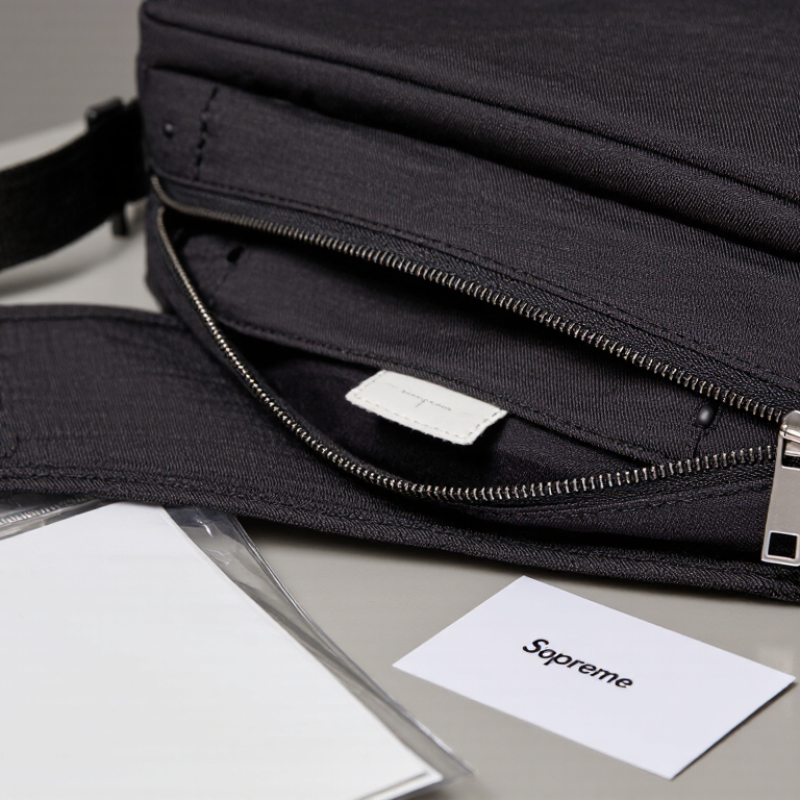
8 Tips to Spot a Fake Supreme Bag Before Buying?

Define the Authenticity Baseline with Supreme’s Official Release Records

Before judging a secondhand bag, establish an authenticity baseline from the brand’s official release records. Check the original release date, listed color, fabric, dimensions, hardware, and retail price. Archive pages and verified product images provide stronger evidence than marketplace descriptions. Seller-written details can be incomplete.

Compare the bag carefully with those records. Examine logo spacing, stitch density, zipper shape, label placement, and lining texture. Small differences often matter. A genuine seasonal item should usually match its documented construction. However, production changes can occur between early and later batches. This is where careful judgment matters.

I once trusted a clean-looking photo too quickly. The interior label later showed an inconsistent font. My first impression was wrong. Use several references, not one image. Request close photos of the label, seams, corners, and metal parts. Check whether the seller’s date and color description match the official archive. A missing record does not automatically prove the bag is fake, especially for older releases. It does mean you need stronger supporting evidence, such as a dated receipt, consistent measurements, or an assessment from a qualified authentication service. Never rely on packaging alone. Packaging can be replaced, while construction details are harder to imitate consistently. Confidence should come from matching evidence, not excitement over a low price.

Inspect Tags and Stitching Against Entrupy’s 99.1% Accuracy Benchmark

Buying a secondhand designer bag requires more than a quick glance. I have learned that small construction details often reveal more than dramatic claims from sellers. Start with the interior tag. Check its font, spacing, material, and attachment points. Authentic tags usually sit cleanly, without loose edges or uneven heat marks. Compare them with trusted reference images from the same production period. Details can vary, so one difference is not automatic proof.

Tip 1: Inspect the stitching under bright, neutral light. Count several lines near handles, corners, and pockets. Genuine construction usually shows consistent spacing and firm thread tension. Crooked stitches, long gaps, or sudden thread changes deserve attention. Tip 2: Review the label and date information together. They should look proportionate and professionally finished. A perfect-looking tag cannot rescue careless stitching. Not every flaw means fraud, though. Handmade variation exists.

Entrupy’s published 99.1% accuracy benchmark shows why professional authentication can strengthen a buying decision, but it is not a promise of perfection. Treat it as one reliable reference, not a substitute for judgment. Ask for sharp photos of tags, seams, hardware, and interior panels. Check whether the seller avoids close-ups or provides inconsistent answers. I sometimes overfocus on one suspicious detail, and that can mislead me. A broader inspection is safer. When uncertainty remains, pause before paying. Something feels off.

8 Tips to Spot a Fake Bag Before Buying

A practical inspection checklist with a 99.1% reference accuracy benchmark.

How to use this chart: The 99.1% figure is a reference accuracy benchmark, not a guarantee that any individual item is authentic. Before buying, inspect the tags, typography, label placement, stitching consistency, seams, hardware, material quality, logo proportions, and seller documentation. A professional evaluation is recommended for high-value purchases.

Compare Logos, Fabric, and Hardware with Verified Resale Listings

Before buying a secondhand bag, compare it with several verified resale listings from the same model and production period. The 2024 GlobalData–ThredUp Resale Report projects the U.S. secondhand apparel market will reach $73 billion by 2028. That growth also creates more convincing counterfeits. Study the logo closely: check letter spacing, edge sharpness, alignment, and stitching around the patch. One photo proves little. A repeated pattern across trusted listings is stronger evidence.

Fabric can reveal small inconsistencies. Compare the weave, surface texture, thickness, and color under natural light. Authentic material may soften with use, but it should not feel unusually plastic, thin, or uneven. Look at seams, lining density, and thread tension. Some sellers describe condition poorly, so do not treat “like new” as authentication. I have found that close-up photos matter more than polished descriptions. Still, texture can mislead through lighting.

Hardware deserves equal attention. Compare zipper shape, tooth spacing, screw heads, engraving depth, and plating color. Hardware should match verified examples, including minor details often ignored in listing photos. Independent authentication reports can help, but they are not infallible; request the report’s date, inspection scope, and item images. Keep your judgment open. A genuine bag may show repairs or production variation, while a fake may look strangely perfect. When details conflict, pause the purchase and seek a second professional opinion.

Benchmark the Asking Price Against StockX’s Verified Resale Data

A realistic asking price is one of the strongest early checks when reviewing a pre-owned streetwear bag. Compare the seller’s price with verified resale data from a trusted marketplace. Check the same model, size, color, condition, and release period. Small differences are normal. A dramatic discount deserves attention.

Look at recent completed sales, not optimistic listings. Prices can mislead. A seller may copy an outdated figure or hide flaws in the description. I have found that missing accessories, worn corners, and unclear photos often explain lower prices. They can also conceal authenticity concerns. Record several verified sales from different dates, then calculate a rough middle range. One unusually high sale should not set your benchmark.

Ask for close images of the stitching, interior label, hardware, and dust bag. Compare those details with the product’s known construction, not only online photographs. Request a dated photo beside a handwritten note when images seem reused. It is not perfect evidence. Neither is a low price proof of a fake. Seller history, purchase documentation, clear measurements, and consistent answers should support the market comparison. If the seller pressures you to pay quickly, pause. My own reviews have sometimes focused too heavily on logos, while pricing patterns revealed the bigger warning.

8 Tips to Spot a Fake Supreme Bag Before Buying? - Benchmark the Asking Price Against StockX’s Verified Resale Data

Check What to Compare Reliable Benchmark Warning Sign Recommended Action
1. Asking Price Compare the seller’s price with the median price for the same model, color, size, and condition. A price within approximately 10% of verified resale transactions is generally easier to justify. The price is more than 20% below the comparable verified resale median without a clear reason. Request proof of purchase, detailed photos, and a protected payment method before proceeding.
2. Price Calculation Use the verified resale median rather than the highest or lowest listing. Price gap = (verified median − asking price) ÷ verified median × 100. A large unexplained discount remains after adjusting for wear, missing accessories, and seller fees. Treat the gap as a risk indicator, not automatic proof of authenticity.
3. Stitching Inspect stitch spacing, thread tension, seam alignment, and loose ends. Authentic production usually shows consistent stitching and clean, even seams across matching items. Uneven stitch length, skipped stitches, excessive glue, or crooked seam lines. Ask for close-up, well-lit photographs of every seam and attachment point.
4. Labels and Typography Compare font shape, spacing, alignment, label placement, and print quality with trusted reference images. Details should match the correct production season and model variation. Blurry printing, incorrect spacing, misspellings, inconsistent lettering, or a label from the wrong model. Compare several reference examples rather than relying on one photograph.
5. Material and Hardware Check fabric weight, texture, zipper movement, fastener finish, and hardware engraving. Materials and hardware should have consistent weight, finish, color, and construction for the specific release. Lightweight fabric, rough edges, peeling coating, weak magnets, or poorly finished metal. Request natural-light images and a short video showing zippers, snaps, and interior details.
6. Shape and Dimensions Measure length, height, width, handle drop, and pocket placement. Measurements should be consistent with the published specifications, allowing for minor measurement error. Major dimensional differences, a collapsed structure, or an incorrect silhouette. Ask the seller to photograph the item beside a ruler or measuring tape.
7. Accessories and Packaging Check whether tags, dust bags, receipts, inserts, and packaging match the claimed release. Accessories can support provenance but are not authentication by themselves. Generic packaging, mismatched date information, or accessories from a different product. Evaluate the bag itself first; never treat packaging as conclusive proof.
8. Seller and Transaction Review seller history, return terms, payment protection, listing consistency, and photo originality. A documented transaction with buyer protection is safer than an irreversible direct payment. Urgency, refusal to provide extra photos, copied images, off-platform payment, or no returns. Walk away if the seller will not provide verifiable details or protected checkout.

Note: Verified resale prices vary by model, release, condition, size, timing, and transaction fees. Price comparison is a screening tool and should be combined with physical inspection and transaction protection.

Combine Eight Checks and Seek Professional Authentication Before Payment

A convincing secondhand bag can still hide several warning signs. Use eight checks before payment: material feel, stitching density, printed marks, hardware weight, lining texture, dimensions, serial details, and packaging quality. Compare every feature with reliable reference images and measurements. Do not trust a single unusual stitch. Authentic items can show minor production variation, while several mismatches suggest deeper concerns.

The OECD and EUIPO reported that counterfeit and pirated goods represented up to 2.5% of global trade, worth about $464 billion, using 2019 customs data. That scale makes careful verification practical, not excessive. Inspect edges under bright light. Feel whether the hardware closes smoothly. Check whether fonts, spacing, and interior labels align with documented examples. Sellers should provide clear photographs, purchase history, and time for independent review. Pressure is a warning sign.

Get professional authentication before paying. Independent specialists can assess construction, materials, dimensions, and manufacturing details together. Some services also use image databases and trained reviewers, but their methods differ. Ask what evidence they examine and whether the result is written and traceable. An online opinion based on one photo is weak evidence. I would pause when details feel almost correct; that is where rushed decisions happen. My own judgment can miss subtle inconsistencies. A professional review adds distance, documentation, and accountability before money changes hands.