Top Tips for Choosing Cotton Muslin Fabric for Your Projects?
Choosing the right fabric can make a significant difference in your projects. Cotton Muslin Fabric is a popular choice, known for its versatility and softness. Its lightweight properties make it ideal for various applications, from quilting to sewing lightweight garments.
When selecting Cotton Muslin Fabric, consider the weight and opacity. Different weights can affect the final look and feel of your project. Some may prefer a sheer finish, while others might need something more opaque. It’s essential to touch and feel the fabric to gauge its quality, as online images can sometimes be misleading.
Don’t forget about the care requirements of Cotton Muslin Fabric. Some might shrink or fade after washing. Understanding its characteristics will help you make an informed decision. Experimenting with different colors and patterns can also add a unique touch. Each choice you make shapes the final outcome, so take your time and enjoy the process.
Understanding Cotton Muslin Fabric Properties
Cotton muslin fabric is a versatile and lightweight material. It is well-known for its breathability and softness. Understanding its properties can greatly enhance your project outcomes. Muslin comes in various weights and qualities, influencing drape and durability. Lighter muslin is perfect for sheer curtains, while heavier types work well for quilting.
When choosing cotton muslin, consider its thread count. A higher thread count often indicates better quality. You may find variations between suppliers. Check for color consistency, as dye lots can fluctuate. Sometimes, the fabric may come with small flaws or irregularities. These can add character but may affect your design.
Here are some tips. Always pre-wash your muslin to prevent future shrinking. Test a small piece with your intended dyes or paints. This helps avoid unexpected results during your project. Keep an eye on wear. Cotton muslin can fray; using a zig-zag stitch can help preserve edges. Trust your instincts when selecting fabrics, and don’t hesitate to experiment. Each piece tells a unique story.
Identifying the Right Weight for Your Sewing Projects
When selecting cotton muslin fabric, understanding its weight is essential for your sewing projects. The weight of muslin impacts its drape and suitability for various applications. Lighter weights, usually around 4 to 5 ounces, are excellent for delicate items such as baby clothes or lightweight curtains. These fabrics flow beautifully but may require careful handling.
On the other hand, heavier muslin, weighing 6 to 8 ounces, works well for sturdier projects like totes or upholstery. However, these options can be stiffer. This rigidity might not always be what you desire. Sometimes, achieving the perfect balance between drape and durability can be challenging. Testing small fabric swatches before committing to a larger project is beneficial.
Pay attention to the fabric's feel and how it responds to washing. While lighter muslins can fade or wear more quickly, heavier varieties might feel bulky. Recognizing these characteristics is vital. Each weight offers different advantages and challenges that reflect your project’s needs and vision.
Choosing the Appropriate Thread Count for Durability
When selecting cotton muslin fabric for your projects, the thread count plays a crucial role in durability. A higher thread count, typically above 200, indicates a tighter weave. This results in fabric that is less prone to wear and tear. However, choosing too high of a thread count can lead to rigidity, making the fabric less comfortable to work with.
It’s essential to find a balance. A thread count around 100 to 180 is often sufficient for general purposes, offering both strength and flexibility. This range is durable yet still retains the softness that muslin is known for. If you aim for specific projects, consider how the fabric will be used. For garments, a softer, lower thread count may be ideal. For utility items like bags, opt for a sturdier option.
While many assume higher is better, it's not always true. A too-dense fabric might not allow for breathability. So, it’s wise to reflect on your needs. Test samples of different counts to see what feels right in your hands. It is a process of trial and error, but that can lead to discovering the best fit for your creativity.
Top Tips for Choosing Cotton Muslin Fabric for Your Projects - Choosing the Appropriate Thread Count for Durability
| Thread Count | Durability | Best Uses | Care Instructions |
| 100 Thread Count | Lightweight, less durable | Bedding, light curtains | Machine wash, gentle cycle |
| 200 Thread Count | Medium weight, fair durability | Quilting, garment making | Machine wash, tumble dry low |
| 300 Thread Count | Heavyweight, more durable | Drapery, upholstery | Machine wash, iron low heat |
| 400 Thread Count | Very heavy, highly durable | High-quality sleepwear, luxury curtains | Dry clean recommended |
Exploring Color and Print Options for Style and Function
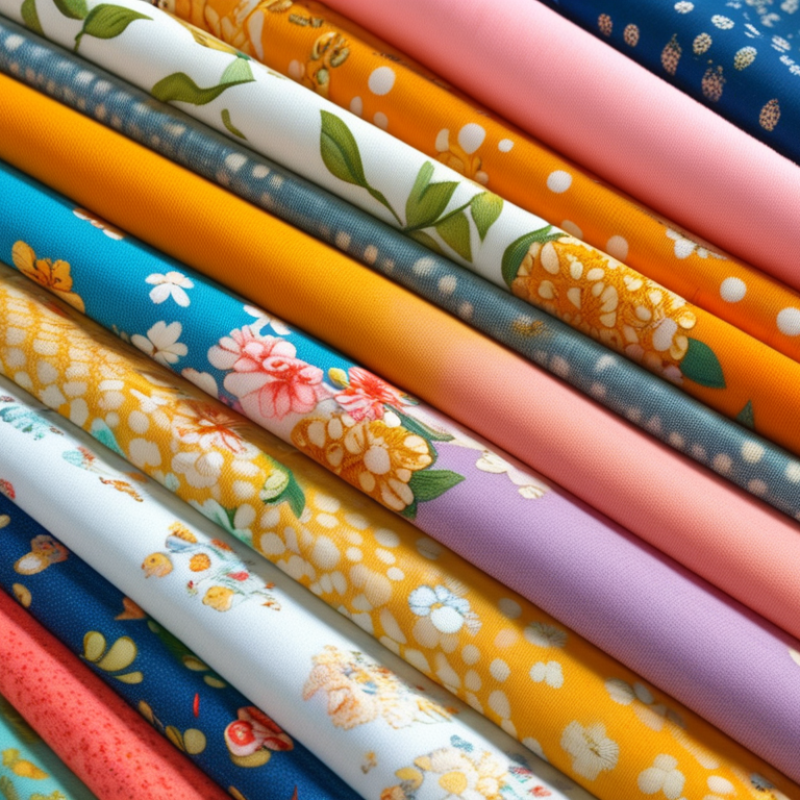
Choosing the right cotton muslin fabric can transform your projects. Color and print options play a crucial role in enhancing style and functionality. Bright colors can evoke a vibrant atmosphere. Muted tones create a calming effect. Patterns vary widely, from delicate florals to bold geometrics, adding character to any design.
When selecting muslin, consider the project’s purpose. Think about durability and ease of care. For a baby blanket, soft, pastel colors work well. If creating kitchen items, playful prints may add charm. Experimenting with different combinations can lead to unexpected, delightful results.
Tip: Always test fabric swatches in your space. Colors can appear different in various lighting. A small sample will help visualize the final outcome. Reflect on how the fabric complements or clashes with existing decor. It's all about the right balance, ensuring your choice enhances the overall look while serving its intended function.
Top Tips for Choosing Cotton Muslin Fabric for Your Projects
Assessing Care Instructions and Maintenance for Longevity
When selecting cotton muslin fabric, care instructions and maintenance are crucial. Proper care ensures longevity and keeps the material looking fresh and vibrant. According to the Fabric Care Council, muslin should be machine-washed in cold water. Using gentle detergent increases its lifespan. Additionally, avoid bleach or fabric softeners, as they can damage the fibers.
After washing, it’s best to line dry the fabric. High heat can shrink muslin significantly, which may affect your project’s dimensions. A 2022 industry report from Textile World noted that improper care can lead to a 20% reduction in overall fabric performance. It’s essential to inspect your fabric regularly for wear and tear. Loose threads or frayed edges are indicators of stress on the material.
Once you've finished using your muslin, store it properly. Keep it in a cool, dry space, away from direct sunlight. Muslin can retain moisture, leading to mildew if not stored correctly. Regularly check your fabric condition. Maintaining cotton muslin fabric requires a bit of diligence but pays off in the longevity of your projects.