Top Tips for Choosing the Right Furniture Upholstery Material?
Choosing the right furniture upholstery material is essential for durability and comfort. Expert interior designer Sarah Jennings emphasizes, "The right fabric can transform a piece of furniture into a lasting investment." This insight highlights the importance of making informed choices in upholstery.
When selecting upholstery, consider various factors. Think about the functionality you require. For example, high-traffic areas need tougher materials. Look for fabrics that resist stains and wear. Additionally, the colors and patterns should align with your decor style. It’s easy to get overwhelmed by the options available.
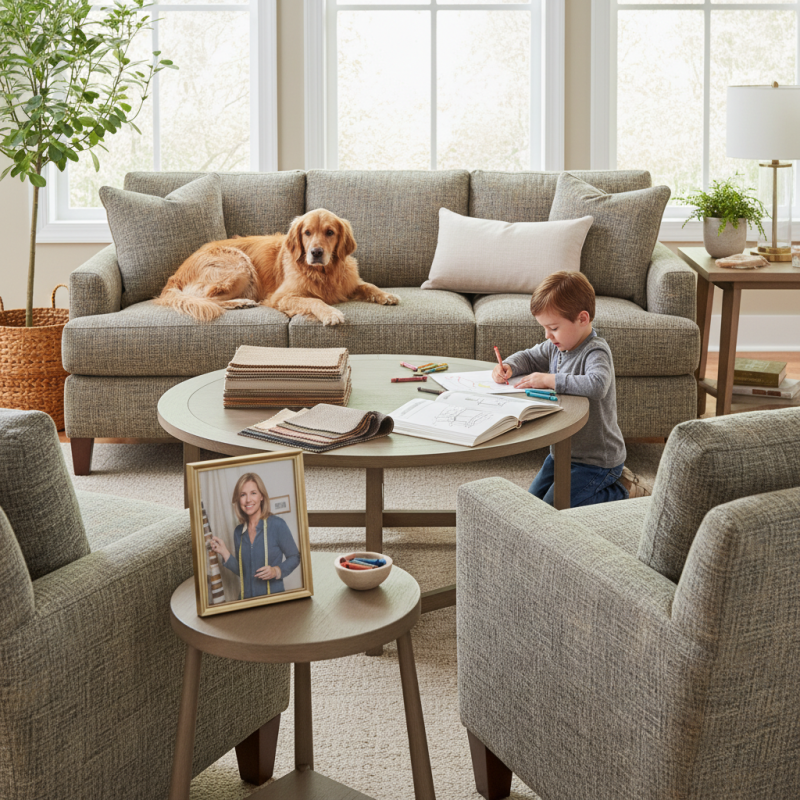
Remember, not all materials suit every lifestyle. Reflect on how you use your furniture daily. Like many, you might have pets or children that require more robust fabrics. This reflection can guide your selection. Choosing the wrong upholstery can lead to regret and increased costs later. Emphasize not just aesthetics but also practicality in your decision.
Understanding Different Upholstery Materials and Their Properties
Choosing the right upholstery material is crucial for both comfort and longevity. Different materials offer unique properties that affect the overall look and feel of your furniture. For instance, natural fabrics like cotton and linen are breathable and soft, making them comfortable for everyday use. However, they can stain easily and may require more maintenance. Synthetic materials, on the other hand, tend to be more durable and stain-resistant, but they may lack the same softness.
Consider the function of your furniture. If it's in a high-traffic area, you may prefer a robust, easy-care fabric. Velvet, while luxurious, might not be ideal for homes with pets. When you choose a material, think about how it fits your lifestyle.
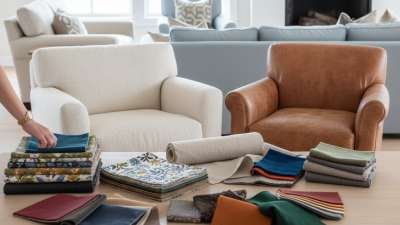
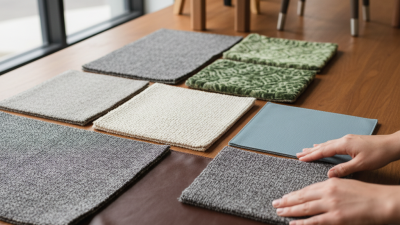
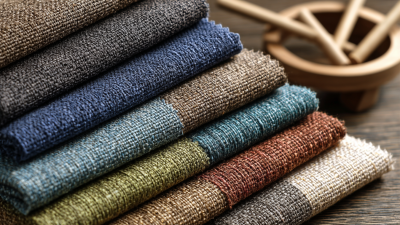
Tip: Always request fabric samples before making a decision. This allows you to see how the material interacts with your space. Touch it, feel it, and visualize how it will hold up over time. Color and texture should align with your overall decor. Ensure you consider not just aesthetics but also practicality. Sometimes, the most beautiful choices may not be the most suitable for daily use. This reflection can guide you toward more informed decisions.
Top Tips for Choosing the Right Furniture Upholstery Material
| Material |
Properties |
Durability |
Maintenance |
Comfort |
| Leather |
Luxurious, durable, and stain-resistant |
High |
Wipe clean with damp cloth |
Very comfortable |
| Cotton |
Soft, breathable, and versatile |
Medium |
Machine washable |
Comfortable, but less durable |
| Microfiber |
Soft, stain-resistant, and durable |
High |
Easy to clean |
Very comfortable |
| Velvet |
Luxurious, soft, and bold colors |
Medium |
Requires special cleaning |
Very comfortable |
| Synthetic Fabrics |
Durable, varied textures and colors |
High |
Easy to maintain |
Comfort varies by type |
Assessing Durability and Maintenance Requirements for Upholstery Choices
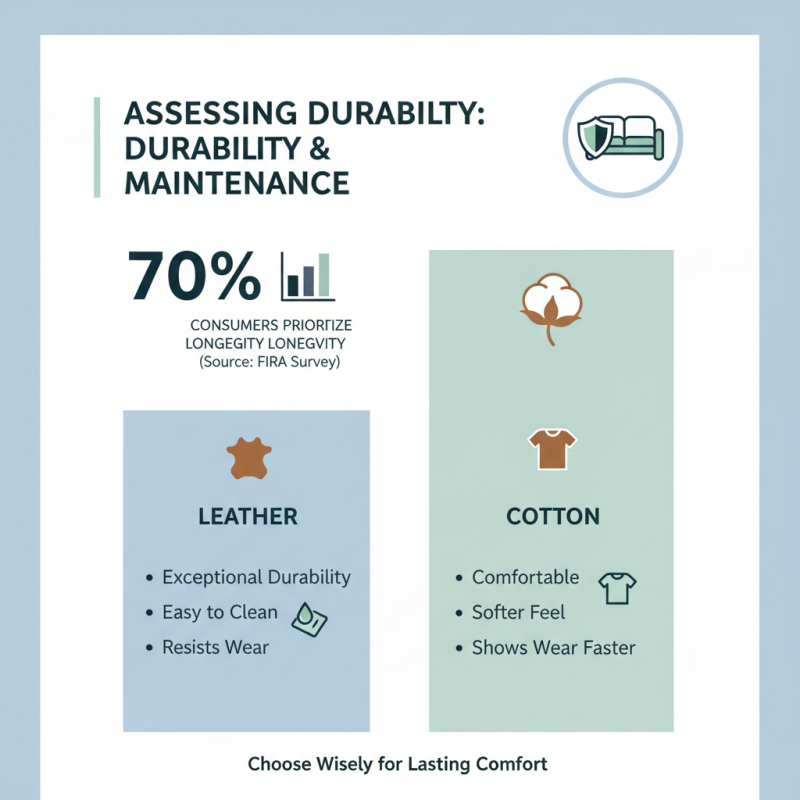
Choosing the right upholstery material requires careful thought about durability and maintenance. According to a recent survey by the Furniture Industry Research Association, around 70% of consumers report that their primary concern is longevity. Some materials withstand wear better than others. For example, leather, though often pricier, offers exceptional durability and is easy to clean. In comparison, cotton can show wear more quickly but is beloved for its comfort.
When evaluating maintenance, consider how much time you’re willing to invest. Polyester blends are known for being stain-resistant and require less frequent cleaning. However, unlike natural fibers, they may not breathe as well, leading to discomfort in warmer climates. Interestingly, the American Textile Manufacturers Institute reports that a well-chosen fabric can last 5-10 years, depending on maintenance and usage.
Some fabrics, although visually stunning, may demand more care than expected. Velvet looks sophisticated but may attract dust and require professional cleaning. Meanwhile, synthetic options may appear less luxurious but offer practical advantages. Balancing aesthetics and practicality is essential in making an informed choice. Consider your lifestyle and the specific demands of your furniture.
Evaluating Comfort Levels Based on Upholstery Fabric Types
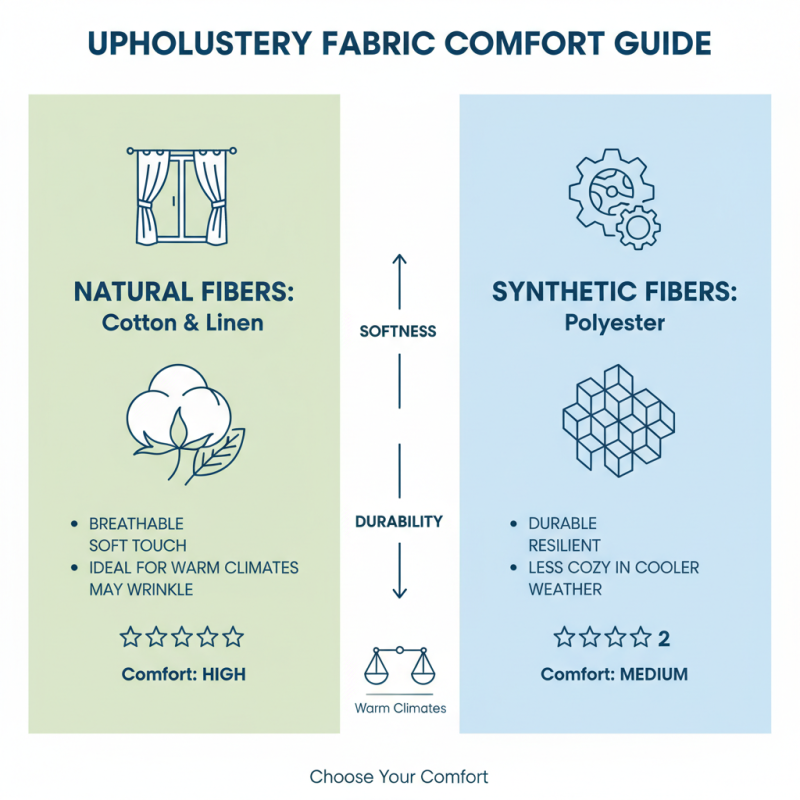
When selecting upholstery fabric, comfort is paramount. Different materials offer varied levels of softness and support. For instance, natural fibers, like cotton and linen, provide a breathable and gentle touch. They are ideal for warm climates but may wrinkle easily. Synthetics, like polyester, tend to be more resilient and offer better durability. However, they can feel less cozy, especially in cooler weather.
The texture of the fabric also influences comfort. Consider a plush velvet versus a sleek leather. Velvet feels luxurious and warm, perfect for a cozy sitting area. Leather, while sophisticated and easy to clean, can feel rigid and cold initially. It’s essential to evaluate how a fabric feels against your skin. Test samples by sitting on them. Notice how they adjust to your weight and movements.
Additionally, consider maintenance. Some materials require special care, while others are more forgiving. Fabrics like microfiber repel stains well but may lack the softness you desire. Balance aesthetic appeal with comfort needs. Don't rush this decision. Take your time to experiment and reflect on how each material affects your comfort in different settings.
The Impact of Upholstery Material on Interior Aesthetics and Design
Choosing the right upholstery material significantly impacts your interior aesthetics. The texture, color, and pattern of fabrics can transform a room. For example, soft velvet can add luxury, while durable canvas offers practicality. Different materials reflect varying levels of warmth and comfort.
Consider how upholstery influences mood and style. Bright colors can energize a space, while neutral tones create calmness. A mix of patterns can also introduce visual interest. Each choice should resonate with your personal style, yet sometimes, the initial choice might not sit well in the overall design.
Think about your lifestyle too. If you have pets, opt for more durable, stain-resistant fabrics. Experimenting with various combinations can lead to unexpected results. Trusting your instincts is essential, but don't shy away from seeking professional advice. Each piece tells a story; make sure yours is cohesive.
Sustainability Considerations in Choosing Upholstery Fabrics and Materials
When selecting upholstery materials, sustainability is essential. Many fabrics are made from synthetic fibers derived from petroleum. These materials can negatively impact the environment. Choosing natural fibers like cotton or linen is more eco-friendly. These alternatives are biodegradable and have a lower carbon footprint.
Tip: Always check the source of your materials. Look for certifications that indicate organic or sustainable practices. This ensures that your choices support environmentally responsible methods.
Another consideration is the fabric's durability. Some sustainable materials can be less resilient. You may need to balance eco-friendliness with practicality. Consider how the upholstery will hold up over time, especially in high-traffic areas.
Tip: Look for high-quality, recycled materials. They often combine sustainability with strength. You want upholstery that looks good but also lasts long.
Choosing upholstery materials thoughtfully can significantly reduce your environmental impact. Reflect on these details as you make your decisions.
Top Tips for Choosing the Right Furniture Upholstery Material