

Blog

blog

Blog

blog

Blog

blog

10 Tips for Choosing Animal Ear Tags

Choosing an Ear Tag Animal system is a practical decision with lasting consequences. A tag must remain readable through mud, rain, rubbing, and routine handling. It also needs to suit the animal’s species, age, and identification program. In its January 2024 Cattle report, USDA’s National Agricultural Statistics Service estimated 87.2 million cattle and calves in the United States. That scale makes dependable identification important for everyday herd records and traceability.

Temple Grandin’s animal-handling guidance offers a useful principle: keep handling calm and reduce unnecessary stress. Applied to tagging, that means considering more than color or price. Tag weight, material, applicator fit, placement guidance, and replacement support all matter. A tag that looks sturdy on a workbench may snag or become hard to read in the pasture. Small details count.

These 10 tips will help compare tag styles, retention, visibility, durability, and supplier support. They also encourage a closer look at the handling process itself. No tag is perfect for every herd. The right choice depends on your animals, facilities, and recordkeeping needs. A little reflection before ordering can prevent avoidable problems later.
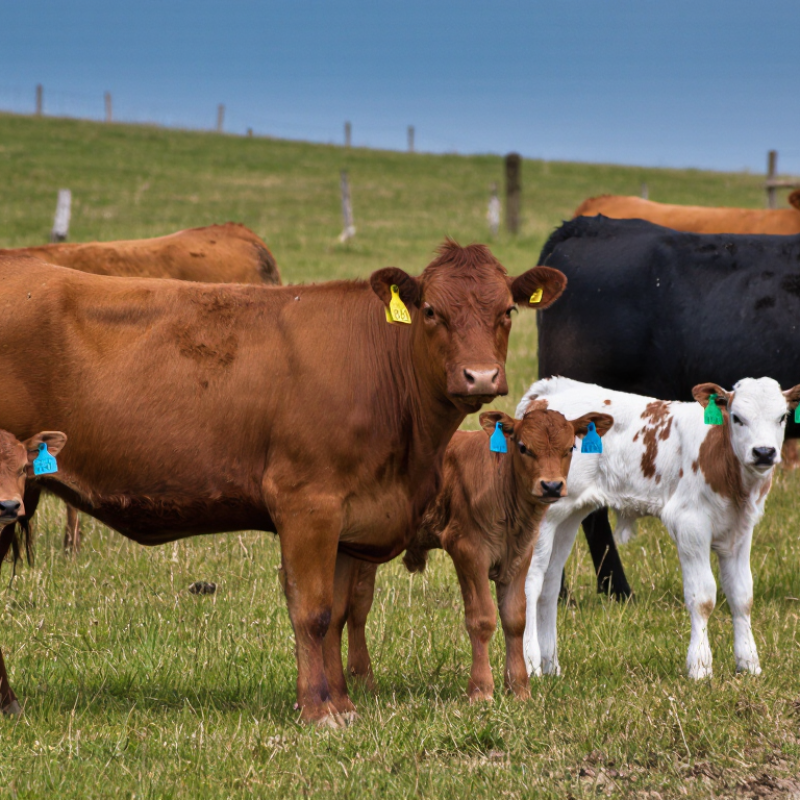
10 Tips for Choosing Animal Ear Tags

Determine the Animal’s Identification Requirements

Choosing an animal ear tag begins with the job it must do. Is it for lifetime identification, daily sorting, breeding records, or health monitoring? A beef calf handled once a season needs a readable tag from a distance. A dairy animal checked often may benefit from a number that links quickly to digital records. Decide who will read it, where, and under what conditions.

Next, confirm the identification system required for your species and movement needs. USDA APHIS’s 2024 Animal Disease Traceability update sets official-identification requirements for covered cattle and bison moving interstate, with relevant records kept for five years. Check current guidance for your operation rather than assuming one tag suits every case. For electronic identification, ISO 11784 defines a 64-bit animal identification code structure, while ISO 11785 describes how compatible systems communicate. Compatibility matters. A reader that cannot decode the tag leaves a number with little practical value.

Match the tag to the animal’s age, ear size, housing, and weather exposure. Ask whether the material stays flexible in cold conditions and whether the print remains legible after mud and handling. Keep the tag number tied to the animal’s record at application, then verify a sample with your own reader or record system. No system is perfect. Tags can tear, fade, or be applied poorly; that possibility deserves a place in your replacement plan.

Compare Tag Materials for Durability and Comfort

Flexible polyurethane tags are often a practical choice for livestock because they bend with the ear and resist cracking during routine handling. Check the material in cool conditions, too; some plastics become less flexible and may split when stressed. A smooth, rounded edge matters. It helps reduce rubbing as the animal moves.

Harder plastic tags can hold their shape and remain easy to read, but a rigid tag may catch on fencing or brush. Metal can be sturdy, yet added weight or rough edges may irritate sensitive ears. Fit matters. Compare the tag’s weight, edge finish, and flexibility, not just its advertised lifespan. A tag that survives years outdoors is not useful if it causes persistent rubbing.

UV exposure, mud, moisture, and repeated snagging all affect durability. Look for material that keeps its shape without feeling brittle, and inspect the fastening area for thin spots. I still find this detail easy to overlook: the applicator and tag must be compatible, or a sound tag may be poorly attached. Choose a size suited to the animal, leave room for natural ear movement, and check the site after application. No material is perfect. The best balance depends on the animal’s environment and daily handling.

Choose the Right Tag Size, Shape, and Attachment Style

Choose an ear tag that fits the animal, not just the paperwork. A calf’s ear is smaller and more delicate than an adult cow’s, so an oversized tag may swing, snag, or irritate the tissue. A broad panel is easier to read from a distance, while a compact tag can suit smaller ears. Check the ear’s width and cartilage ridges before choosing a shape. Keep the tag clear of the edge. Fit matters.

For electronic tags, check the identification system as well as the physical fit. ISO 11784 defines a 64-bit animal identification code, and ISO 11785 specifies the radio-frequency communication protocol at 134.2 kHz. These figures describe compatibility, not tag size. ICAR’s device approval guidance also considers performance factors such as readability and retention. Ask suppliers for test documentation, then match the applicator to the tag’s attachment style. A pin that is too tight can injure tissue; a loose fit may increase loss. The balance is easy to miss. I would also check how the chosen shape sits on the animal after fitting, since a tidy-looking tag in the hand may hang awkwardly on the ear.

10 Tips for Choosing Animal Ear Tags — Choose the Right Tag Size, Shape, and Attachment Style

Tip What to Consider Practical Guidance
1 Match tag size to the animal Choose a tag that is easy to read but not unnecessarily large or heavy. Consider the animal’s ear size, age, and expected growth, and follow the tag maker’s sizing guidance.
2 Check the tag’s intended species Use a tag designed for the species and management purpose. Tags made for cattle, sheep, goats, pigs, or other animals may differ in size, shape, retention, and application requirements.
3 Choose a suitable shape Compare the tag’s shape with the animal’s ear anatomy and the space needed for identification. A shape that sits comfortably and remains visible can make routine reading easier.
4 Consider the attachment style Check whether the tag uses a button-style, two-piece, or other attachment system. Confirm that its components are compatible with the applicator and are intended to be used together.
5 Prioritize clear identification Select a size and layout that allow the identification number or required information to be read at a practical distance. High-contrast text and uncluttered layouts can improve legibility.
6 Account for the animal’s environment Consider exposure to sunlight, moisture, mud, vegetation, rubbing, and close contact with other animals. Choose tag materials and construction suited to the conditions in which the animal is kept.
7 Look for appropriate retention A tag should stay attached during normal activity without causing avoidable irritation. Review retention information and inspect tagged animals periodically for missing tags or ear problems.
8 Use a compatible applicator Confirm that the applicator fits the selected tag system and is in good working condition. Follow its instructions; incorrect alignment or application can contribute to poor placement or injury.
9 Plan placement and animal welfare Follow species-specific handling guidance and applicable instructions for placement. Use clean equipment, handle animals calmly, and seek trained or veterinary assistance when needed.
10 Check identification rules before buying Requirements can vary by species, location, and purpose of identification. Verify current local rules for approved tag types, numbering, placement, and record keeping before selecting tags.

Selection and placement guidance should be checked against the tag instructions and the animal identification requirements that apply in your area.

Check Visibility, Readability, and Regulatory Compliance

10 Tips for Choosing Animal Ear Tags

Check Visibility, Readability, and Regulatory Compliance

A tag is useful only when workers can read it in the pen, at the chute, and months later. USDA National Agricultural Statistics Service reported 87.2 million cattle and calves in the United States on January 1, 2024. That scale makes consistent identification important for everyday records and traceability. Small details matter. Choose a contrasting color, clear print, and a size suited to the animal and viewing distance.

Tips:

  1. Check contrast in daylight and shade.
  2. Use large, simple characters.
  3. Avoid crowded layouts.
  4. Test readability from several feet away.
  5. Choose durable, weather-resistant material.
  6. Check that the fastening suits the animal.
  7. Confirm the tag stays legible after cleaning.
  8. Keep a matching record.
  9. Ask staff to read a sample tag.
  10. Verify official tag requirements before ordering.

A tag may look clear on a desk but become hard to read on a moving animal; that is an easy mistake to miss.

Regulatory rules vary by location, species, and movement purpose. Check current guidance from the responsible animal-health authority, including approved identifiers, required information, and placement. In the United States, USDA Animal Disease Traceability rules set identification requirements for certain cattle movements. Keep purchase records and confirm that tag numbers match your herd records. When requirements are unclear, ask the relevant authority before applying tags.

Assess Tracking Features, Cost, and Replacement Needs

Animal ear tags should make identification quick in the places where records are actually checked: the handling race, a feed pen, or a muddy field gate. Compare visual numbers, readable at a practical distance, with electronic tracking features such as scan speed, data storage, and compatibility with your existing reader. Test a sample tag under ordinary conditions; glare, dirt, or a cramped display can turn a useful feature into a delay. Keep it simple. A system that staff use consistently is often more valuable than one with options nobody checks.

Look beyond the purchase price. Include the applicator, reader, software or record-keeping costs, staff time, and likely losses when estimating the cost per animal. Ask how easily a damaged or unreadable tag can be replaced, and whether its identification can be linked to the animal’s existing records without confusion. Tags may snag or become hard to read, especially after rough handling, so keep spare tags and a clear replacement log. Small details matter. I would also review loss rates after each handling season; estimates made before real use can be optimistic. Choose a design suited to the animal and handling conditions, and follow the manufacturer’s fitting and care instructions to reduce avoidable irritation and replacement work.