

Blog

blog

Blog

blog

Blog

blog

China Top 10 Tips to Spot a Fake Michael Kors Bag

Buying a Michael Kors bag in China can mean comparing official stores, established department retailers, and online listings with very different levels of detail. A polished photo or a tempting price cannot confirm authenticity. Nor does one uneven stitch prove a bag is fake. Small details matter.

This guide introduces ten practical checks for identifying a Fake Michael Kors Bag, from examining logo placement and hardware to reviewing stitching, lining, labels, and product information. Look closely at how the lettering is spaced, whether zippers move smoothly, and whether seams remain even around handles and corners. Compare these details with reliable images of the same model, not just another bag from the brand. Styles can change, and construction may vary across collections.

Price and packaging can offer context, but neither is conclusive on its own. A dust bag, care card, or box may be missing from a genuine item, while convincing accessories can accompany a questionable one. It is easy to overvalue one clue, especially when a listing looks professional. No single clue settles it. Use several checks together, ask the seller for clear photographs and purchase details, and pause if important information is unavailable. These tips can reduce uncertainty, but they cannot replace a brand-authorized assessment when doubts remain.
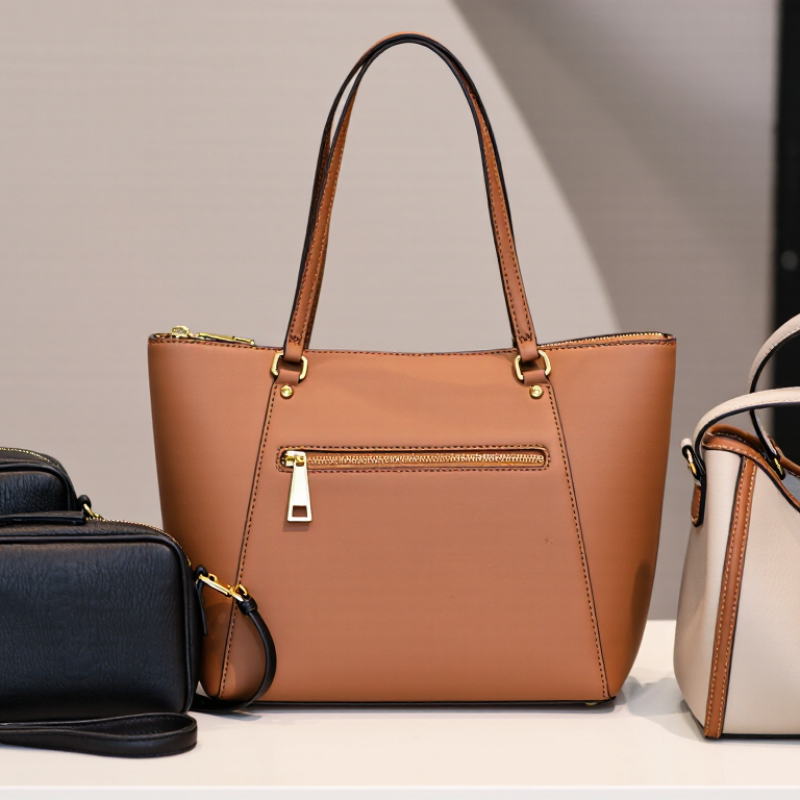
China Top 10 Tips to Spot a Fake Michael Kors Bag

Check the Seller and Purchase Context in China

When assessing a Michael Kors bag listing in China, examine the seller and sales setting before judging the product photos. The China Internet Network Information Center reported 905 million online shoppers in June 2024. That scale makes clear why a listing’s context matters: buyers may encounter very different sellers and service standards. Check how long the account has operated, whether its sales history looks consistent, and whether contact details and return terms are clear. Ask for current, close-up photos of stitching, hardware, lining, and serial details. Compare those images with reliable product references, not another seller’s listing. A neat profile is not proof.

The resale market also deserves careful scrutiny. Bain’s 2023 luxury goods study estimated that secondhand luxury sales reached about €45 billion, growing 15 percent that year. Growth brings more choice, but it does not verify any individual listing. Review buyer feedback for specific details, such as delivery condition and refund handling, rather than star ratings alone. Keep payment and discussion within the platform, and save the listing and seller’s written claims. I still find polished photos persuasive, even when they reveal very little. Treat missing receipts or evasive answers as reasons to pause, not as conclusive proof. For a high-value purchase, use an independent authentication service and check its methods and limitations before paying.

Examine the Michael Kors Logo, Fonts, and Hardware

When examining a bag’s logo, use bright, even light and look at the letters closely. Check their spacing, shape, and alignment against clear reference images for the same model and season. Genuine designs can vary between collections, so a mismatch with a random online photo may not mean much. Look closely. Blurred edges, uneven printing, or letters that seem crowded deserve a second check.

Read the small text too. Font weight and spacing should look consistent, not suddenly thin or cramped in one area. Run a finger lightly over the lettering: some logos are printed, while others are embossed or attached, depending on the design. Don’t rely on touch alone. Lighting can make clean details look rough, and I have misjudged that before.

Inspect the hardware in daylight. Compare its color, finish, engraving, and placement with reliable images of the exact style. The zipper pull should move smoothly, and attached metal pieces should sit evenly rather than tilt or wobble. Small details matter. Still, a faint scratch or slight color shift can come from ordinary wear. Treat several mismatches as a reason to ask for clearer photos or documentation, not as proof by themselves.

Inspect Materials, Stitching, and Overall Construction

Examine the bag in soft daylight, where uneven color and surface texture are easier to notice. Genuine leather may show subtle variation, while coated materials should feel consistent rather than brittle or sticky. Run your fingers over the surface. Does it feel sturdy, not flimsy? Check the lining, too: it should sit smoothly, without loose folds or a strong chemical odor. A pleasant feel alone proves nothing; materials can vary by style and age.

Look closely at the seams. Stitching should generally follow a steady line, with similar spacing and no loose threads around handles, corners, or pockets. Feel the seams. They should lie flat, not bunch into rough ridges. Inspect stress points, especially where straps meet the body. These areas should feel securely reinforced, with no visible gaps or puckering. Open and close the zippers gently; they should move without catching, though a new zipper can feel stiff. Compare both sides of the bag for balanced shape and even panel alignment. This check is imperfect. Wear, storage, and lighting can change what you see, so one flaw—or one polished detail—cannot establish authenticity on its own.

Verify Labels, Style Codes, and Product Details

Check the interior label in bright, even light. Look for clean stitching, centered lettering, and consistent spacing. The label should feel securely attached, not loose at the corners. Small flaws can occur in genuine production, so one uneven stitch proves little. Details matter. Compare the style code on the bag with the code on its hangtag or paperwork. Characters should match exactly, including zeros and letters. Search the code in a current catalog or trusted product archive, then compare the result with the bag’s shape, color, and hardware. A code alone is not proof. Some records are incomplete, and styles may vary by season.

Inspect product details side by side with clear reference photos. Note pocket placement, zipper pulls, lining pattern, strap width, and the finish of metal pieces. A mismatch across several details deserves closer attention. Feel the material too: it should have a consistent texture, without a strong chemical smell or peeling coating. That said, touch is subjective. I would not rely on it alone. Keep photos of labels and close-ups, and ask a reputable authentication service when the evidence remains unclear. Be cautious of sellers who provide blurry images or avoid specific questions. No single check is perfect; the pattern across labels, codes, and construction is more useful.

10 Tips to Spot a Fake Designer Bag: Check Labels, Style Codes, and Product Details

Check What to Examine Warning Signs How to Verify
1. Labels and spelling Inspect interior labels, logos, care information, and printed text. Misspellings, uneven lettering, blurry printing, or inconsistent spacing. Compare with clear references for the same model and production period; label layouts can vary.
2. Style or model code Look for any style, model, or production code shown on the item or its tags. A code that points to a different product, or details that conflict with the bag. Search the code alongside the bag’s shape, material, and color. Code formats are not universal and may change.
3. Stitching Check seams, handles, corners, lining, and areas around pockets. Loose threads, skipped stitches, uneven tension, or seams that do not align. Compare workmanship across several areas; one minor irregularity alone does not prove a bag is counterfeit.
4. Materials and finish Assess the material’s texture, weight, coating, and edge finishing. Strong chemical odor, peeling coating, rough unfinished edges, or materials unlike reliable references. Use product descriptions and detailed images for the exact model; materials can differ between collections.
5. Hardware Examine zippers, clasps, buckles, feet, rings, and other metal components. Flaking finish, sharp edges, loose fittings, or hardware that differs noticeably from reference images. Check placement, shape, color, and operation against the same model rather than relying on weight alone.
6. Logo placement Review the size, alignment, spacing, and finish of exterior and interior logos. Crooked placement, inconsistent lettering, or a logo design that does not match the product version. Compare with reliable images of the same design and season; logos may vary across product lines.
7. Shape and dimensions Compare the silhouette, handle drop, pocket positions, and stated measurements. Proportions or pocket details that differ from the documented version. Measure the bag and compare multiple angles; different sizes or releases may look similar.
8. Lining and interior details Inspect lining fabric, interior pockets, seams, and any internal tags. Poorly fitted lining, mismatched construction, or interior features absent from references. Compare interior photos from the exact model; lining and pocket layouts can differ by version.
9. Packaging and paperwork Review the dust bag, hangtags, receipts, and any included documents. Low-quality printing, inconsistent product details, or paperwork that cannot be verified. Treat packaging as supporting evidence only; it can be replaced, copied, or separated from the item.
10. Seller and price Check the seller’s history, return terms, item photos, and proof of purchase. Unusually low pricing, pressure to pay quickly, stock photos only, or refusal to provide clear details. Use a reputable retailer or resale platform with buyer protection, and request consistent, well-lit photos.

Note: No single detail can reliably authenticate every bag. Check several features together and consult a qualified authenticator when uncertainty remains.

Compare the Bag’s Price, Packaging, and Official Images

When comparing a designer handbag, treat an unusually low price as a reason to pause, not proof of a fake. Check the seller’s full price, discounts, and return terms together. A steep markdown with vague product details deserves extra scrutiny. Compare packaging, too: dust bags, tags, and boxes should look consistent with current product photos, though packaging can vary by season or region. Small differences alone prove little.

Tips: Open the official product page and compare the bag’s shape, handles, stitching, hardware color, and logo placement. Match the exact style and color when possible. Look closely. Save clear screenshots so you can compare details side by side. A photo from a different season may not be a fair match.

Notice whether the listing uses sharp, original-looking images or repeated photos with odd cropping. Check details in close-ups, such as zipper pulls and seams, but remember that lighting can change colors. I would not rely on one clue; even careful comparisons can miss subtle differences. If the price, packaging, and images all raise questions, ask the seller for clearer photos and proof of purchase before deciding.