

Blog
Blog
Blog
Top 10 20cm Doll Plush Suppliers for Global Buyers
A 20cm Doll Plush may look simple on a shelf: a palm-sized face, neat seams, and soft fabric. Yet global buyers must assess more than appearance. They need consistent sizing, reliable stitching, safe material documentation, clear sampling terms, and production schedules that hold up across repeat orders. Small details matter. A loose ribbon or uneven embroidered eye can change a buyer’s decision.
Market data adds useful context, but it needs careful interpretation. Circana’s review of the U.S. toy market reported 2023 sales of about $28.3 billion, down 8% from 2022. That figure covers the broader toy market, not 20cm Doll Plush specifically. It signals a more selective retail environment, rather than proving demand for any single doll format. UN Comtrade trade statistics also group many toy products into broad classifications, making precise plush-doll comparisons difficult. Buyers should treat headline figures as context, not a purchasing forecast.
This guide compares ten suppliers through practical sourcing questions: product range, customization, sample quality, minimum order quantities, communication, and quality-control processes. Ask for recent production photos and written specifications. Check whether dimensions include accessories, and whether fabric or color changes affect pricing. A polished catalog is not proof of consistent production. No supplier is perfect. In practice, responsiveness after a sample review may reveal as much as the sample itself. The right partner depends on your market, order size, and tolerance for risk—not simply the lowest quoted price.
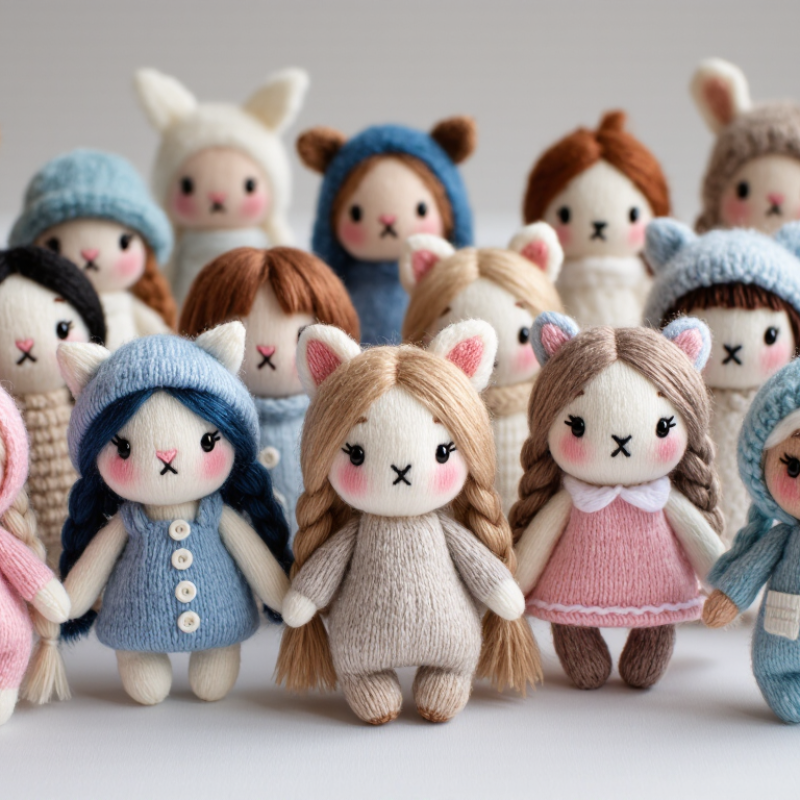
Understanding 20cm Doll Plush Products and Their Uses
A 20cm doll plush is small enough for a backpack, desk, or gift box, yet large enough to show clothing details and facial embroidery. Buyers often choose this size for character-style play, travel companions, event gifts, and collectible displays. For a supplier, the practical questions are less glamorous: Does the doll sit upright? Are seams secure? Can its outfit be removed without damaging the fabric? Small flaws show quickly at this scale.
Demand also depends on the wider toy market. Circana reported that global toy sales declined 7% in 2023 compared with 2022. That figure covers toys overall, not plush dolls alone, but it reminds buyers to assess quantities carefully. A 20cm format can help reduce shipping volume, though dense stuffing and bulky accessories may offset that advantage. Ask for fabric, filling, stitching, and packaging details, then inspect a sample under ordinary handling. Cute is not enough.
Tips: Check the doll beside a ruler, test its balance on a shelf, and review close-up photos of seams and embroidery. Confirm intended age guidance and destination-market testing with the supplier. And leave room for fit issues; miniature outfits rarely behave exactly like full-size clothes.
Key Criteria for Evaluating Global Plush Suppliers
When comparing suppliers for 20cm dolls, assess the actual sample, not just catalog photos. Measure its height, including any hat or raised feature, and check whether both legs sit evenly. Small details matter. Gently inspect seams around the neck, hands, and clothing, where stress can cause loose stitching. Check that the stuffing feels consistent and the doll keeps its shape after light handling. Ask for fabric and filling specifications, plus current safety documentation relevant to your intended market. A neat sample is encouraging, but it does not prove every production unit will match.
Reliability also depends on process. Request a written specification covering dimensions, colors, materials, packaging, and acceptable variation. Confirm the minimum order quantity, sample fees, production lead time, and how delays are communicated. Ask whether you can review a pre-production sample and how defects are recorded or corrected. For a 20cm plush, packaging matters: tight cartons can flatten ears or distort embroidered features. Discuss carton quantities and request photos of packed goods before dispatch. Clear answers are useful evidence, though not a guarantee. Still, surprises happen. Compare suppliers by how openly they explain limitations, not only by price or polished presentation.
Top 10 20cm Doll Plush Suppliers for Global Buyers
Key Criteria for Evaluating Global Plush Suppliers
Use these suggested scorecard weights to compare suppliers on product safety and compliance, quality consistency, customization, production capacity, lead time, communication, and total landed cost. The percentages are an illustrative buyer-defined evaluation model, not measured supplier rankings or market-wide statistics.
Top 10 20cm Doll Plush Suppliers for Global Buyers
Choosing among the top 10 20cm doll plush suppliers takes more than comparing catalog photos. Global buyers should check sample quality, production capacity, customization options, and communication speed. A well-made 20cm plush should sit upright, have secure stitching, and feel consistent from head to body. Ask suppliers for close-up photos of seams, embroidered details, and fabric texture. Small defects show quickly at this size.
Reliable suppliers provide clear material specifications, realistic lead times, and written details about packaging. Request a pre-production sample before approving a larger order. Then compare it with the approved design, including color, proportions, and accessory placement. Ask how the supplier checks finished pieces and handles rework. Good answers are specific, not simply reassuring. Very important.
Price still matters, but the lowest quote may leave out sampling, packaging, or inspection costs. Confirm what each offer includes and whether shipping estimates are current. Response quality during early discussions can also reveal how issues may be handled later. Yet no checklist removes every risk; samples can differ from bulk production, and timelines can shift. Keep approval records, allow schedule buffer, and review the first production batch carefully. A little uncertainty remains, so buyers should plan for it rather than assume every order will run perfectly.
Comparing Supplier Capabilities, Quality, and Compliance
Choosing among 20cm doll plush suppliers means comparing repeatable processes, not polished catalog photos. Ask for a sample made with the intended fabric, filling, and embroidery, then measure it against the approved pattern. A two-centimeter head-size drift can change the doll’s expression and outfit fit. Small details matter. Check seam strength around the neck and limbs, stitch density, loose fibers, and whether accessories stay attached during ordinary handling. Request a written inspection plan showing sample checks, in-line reviews, and final carton inspections. One good sample is not proof of a stable production run.
Capability also includes practical planning: monthly capacity, peak-season lead times, minimum order quantities, and procedures for replacing defective items. Ask how fabric lots are tracked and whether color variation is checked under consistent lighting. Compliance should reflect the destination market and the product’s materials, age grading, and labeling. Request current test records and traceability documents, then confirm they match the exact fabrics, trims, and finished item being quoted. Requirements differ by market. Paperwork can look complete while describing another version. Verify key details independently and keep approved samples and specifications on file. It adds work, but can prevent avoidable surprises.
Steps for Sourcing and Ordering 20cm Doll Plush Products
Sourcing a 20cm doll plush starts with a precise product brief. Specify finished height, fabric type, filling, colors, facial details, and clothing or accessories. A simple drawing with measurements can prevent avoidable misunderstandings. Ask each supplier for production photos, material details, minimum order quantity, sample cost, and lead time. Vague answers are a warning sign. Not every supplier will have the same measurement method, so confirm whether 20cm refers to the seated or standing height.
Order a sample before approving bulk production. Check it with a ruler, inspect the seams, and gently tug the clothing and embroidered features. Note any uneven stuffing or color differences under natural light. Small details matter. Share written corrections and request confirmation that they can be applied to the full order. This step may feel slow, but skipping it can make a large order harder to fix.
Compare quotations using the same specifications, including packaging, shipping terms, payment schedule, and any inspection costs. Confirm the expected production timeline and agree on how finished goods will be checked before shipment. Requirements for labeling and product safety can vary by destination; ask the supplier for relevant documentation and verify it independently. One detail may still slip through. Keep messages, approved sample photos, and order changes together, and avoid paying the full amount before key terms are documented.