Top 10 Benefits of Using Polyurethane Sheet for Your Projects?
Polyurethane Sheet has gained immense popularity in various industries due to its remarkable versatility and durability. This versatile material is recognized for its ability to withstand harsh conditions while providing excellent protection and insulation. Whether in construction, manufacturing, or crafting, the benefits of using polyurethane sheets are substantial and multifaceted.
One notable advantage is the sheet’s resistance to wear and tear. Many projects require materials that can endure heavy use, and polyurethane sheets excel in such scenarios. They are resistant to chemicals, making them suitable for industrial applications. Furthermore, their lightweight nature allows for easy handling and installation. This can save both time and labor costs.
Despite these impressive qualities, some might undervalue polyurethane sheets. It’s essential to consider the specific needs of a project. Not every project may benefit from its use. Reflecting on how polyurethane sheets fit within your project's dynamics is crucial. Understanding their benefits can lead to informed decisions, making your projects more successful.
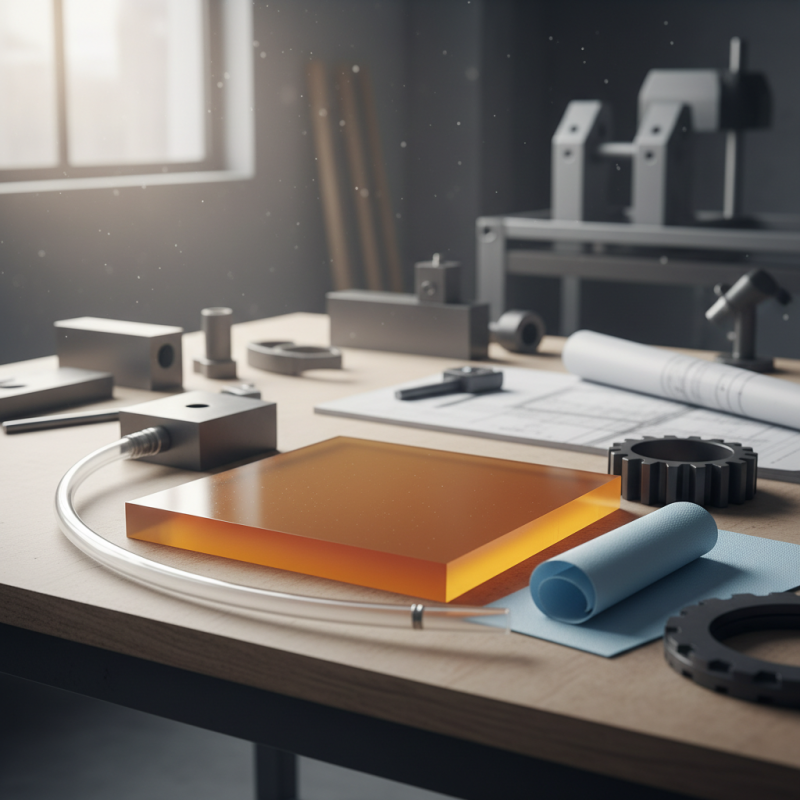
Understanding Polyurethane Sheet: Composition and Properties
Polyurethane sheets are known for their unique composition, which typically includes a blend of polyether or polyester polyols and diisocyanates. This combination results in a versatile material with excellent mechanical properties. According to the American Chemistry Council, polyurethane materials are lightweight yet exhibit impressive strength-to-weight ratios. This makes them indispensable in various applications, from automotive parts to insulation.
The chemical structure of polyurethane allows for customizable hardness and flexibility. It can be tailored to meet specific project requirements. Reports indicate that polyurethane sheets can resist abrasion, chemicals, and extreme temperatures, thus extending their lifespan. However, not all polyurethane sheets are created equal, and variations in composition can lead to differences in performance. Choosing the right type is crucial for achieving desired results.
Despite their advantages, there are challenges. Polyurethane sheets may not always bond easily with other materials. This is a common issue for many industries. Furthermore, while they have excellent durability, they can degrade when exposed to UV light over time. Understanding these properties is vital for any project manager or engineer working with polyurethane materials.
Durability and Longevity: Why Polyurethane Outlasts Other Materials
When considering materials for various projects, durability is paramount. Polyurethane sheets are known for their exceptional longevity. Unlike traditional materials, polyurethane resists wear and tear, even in harsh environments. Its ability to withstand extreme temperatures and moisture makes it ideal for both indoor and outdoor applications. This resilience significantly reduces the frequency of replacement, saving time and money.
Moreover, polyurethane’s flexibility allows it to adapt to different shapes and sizes. This adaptability can be a game-changer in project design. However, it’s important to note that not all polyurethane sheets are created equal. Variations in quality can affect performance, thus sourcing from reputable suppliers is crucial. It's also essential to ensure proper installation, as poor techniques can undermine the inherent benefits of the material.
In real-world applications, users often report satisfaction with polyurethane's performance. Yet, some may face challenges in handling and cutting the material. Proper tools and methods are vital for achieving the best results. Learning from these experiences can lead to more successful project outcomes. Ultimately, with careful consideration and planning, the advantages of using polyurethane can outweigh the potential drawbacks.
Versatility in Applications: Using Polyurethane Sheets in Various Industries
Polyurethane sheets are incredibly versatile, making them an excellent choice for various industries. Their flexibility allows for applications in automotive, construction, and even medical fields. In the automotive sector, these sheets provide excellent insulation and soundproofing properties. They help reduce noise levels, enhancing passenger comfort. Construction projects benefit from polyurethane sheets as they are durable and resistant to moisture, making them ideal for both structural and aesthetic applications.
Tips: When selecting polyurethane sheets, consider the specific requirements of your project. Assess factors like thickness and density to ensure optimal performance. Experimenting with different grades can lead to surprising outcomes. Not every application will yield perfect results, so be open to adjustments.
In the medical industry, polyurethane sheets are often used for wound care and prosthetics. They provide necessary flexibility and comfort for patients. The unique composition of these sheets allows them to be easily sterilized, ensuring safe use in all medical applications. However, it's vital to remain cautious about compatibility with other materials. Achieving the best results sometimes requires trial and error.
Cost-Effectiveness: Benefits of Investing in Polyurethane Sheets
When considering materials for various projects, polyurethane sheets stand out for their cost-effectiveness. These sheets provide durability and flexibility, essential features for numerous applications. Unlike traditional materials, polyurethane sheets are resistant to abrasion and chemicals. This quality reduces the need for frequent replacements, leading to long-term savings.
Investing in polyurethane sheets may require a higher initial cost, but the benefits outweigh this concern. They offer excellent insulation properties, reducing energy costs. The sheets' lightweight nature simplifies handling and installation, which can save on labor costs. Projects often require precise measurements, and polyurethane sheets can be easily cut to fit specific needs.
Despite these advantages, there is room for improvement. Some users may find the initial investment steep, particularly in smaller projects. The learning curve for proper handling can also pose challenges. Ensuring quality and authenticity is crucial, as not all polyurethane sheets are created equal. The need for careful sourcing should not be overlooked. By weighing these factors, users can make informed decisions about incorporating polyurethane sheets into their projects.
Top 10 Benefits of Using Polyurethane Sheet for Your Projects
Environmental Considerations: Sustainability Aspects of Polyurethane Sheets
Polyurethane sheets offer various environmental benefits that align with sustainability goals. These materials are durable and long-lasting, reducing the need for frequent replacements. When projects require robust materials, polyurethane proves to be a reliable choice. Its high resistance to chemicals and impact makes it suitable for challenging environments. This durability translates to less waste, contributing positively to a sustainable future.
However, the production of polyurethane can raise concerns. Manufacturing processes may involve chemicals that could be harmful to the environment. It's crucial to consider sourcing and production methods. Choosing suppliers who prioritize eco-friendly practices can help mitigate these issues. Implementing recycling initiatives can also enhance sustainability. While polyurethane sheets have many advantages, awareness of their environmental impact is essential.
Furthermore, polyurethane is lightweight. This feature helps reduce transportation costs and emissions. Overall, when utilized wisely, polyurethane sheets can form part of an eco-friendly construction strategy, providing both performance and sustainability. But balancing use and environmental impact requires careful consideration from designers and builders alike.
Top 10 Benefits of Using Polyurethane Sheet for Your Projects
| Benefit | Description | Sustainability Aspect |
| Durability | Highly resistant to wear, tear, and aging. | Long lifespan reduces the need for replacements, minimizing waste. |
| Flexibility | Can be molded into various shapes and sizes. | Reduces energy consumption in manufacturing processes. |
| Chemical Resistance | Resistant to oils, solvents, and various chemicals. | Minimizes environmental contamination from hazardous materials. |
| Lightweight | Lightweight properties facilitate easier transport and handling. | Reduced fuel consumption during transportation. |
| Thermal Insulation | Excellent thermal insulator, retaining heat effectively. | Reduced energy consumption for heating and cooling. |
| Water Resistance | Effective barrier against water penetration. | Extends the lifespan of products exposed to moisture. |
| Noise Reduction | Absorbs sound, providing better acoustic insulation. | Contributes to quieter environments, improving quality of life. |
| Customizable | Can be tinted or textured to fit specific project needs. | Encourages innovation and creative designs without extra waste. |
| Recyclability | Can be recycled into new products, reducing landfill impact. | Supports circular economy principles. |
| Cost-Effectiveness | Long-term savings due to durability and low maintenance costs. | Financial sustainability through lower lifecycle costs. |