China Top Mining Truck Manufacturers for Global Buyers
China has become a major source of heavy equipment for open-pit mines, quarries, and large earthmoving projects. For global buyers, choosing the right Mining Truck involves more than comparing payload and purchase prices. Brand experience, component quality, service coverage, and verified operating records all matter.
Leading Chinese manufacturers typically offer rigid dump trucks, articulated haulers, and specialized electric or hybrid models. Their product ranges may support payloads from several dozen to hundreds of tonnes. Buyers should examine frame strength, engine performance, braking systems, tire availability, and cabin protection. A truck working on steep haul roads faces different demands from one operating on flat quarry routes. Real mine conditions matter.
Look for evidence, not impressive brochures.
Reliable manufacturers usually provide test data, maintenance schedules, spare-parts planning, and clear warranty terms. Their export experience also reveals how effectively they handle training, technical support, and local compliance. Factory inspections and conversations with existing operators can expose practical details, such as fuel consumption, loading-cycle stability, and downtime during harsh weather.
Yet no supplier is perfect. Some published specifications may reflect controlled testing rather than daily production pressure. Service response can also vary between regions. This is where careful due diligence becomes essential. Compare total operating cost, not only the initial quotation. Review independent certifications, dealer capability, delivery records, and long-term parts support before making a decision.
This guide introduces China’s top Mining Truck manufacturers for global buyers. It focuses on measurable performance, application fit, ownership risks, and the questions procurement teams should ask before signing a contract. The strongest choice is rarely the cheapest truck. It is the supplier that remains dependable after delivery.
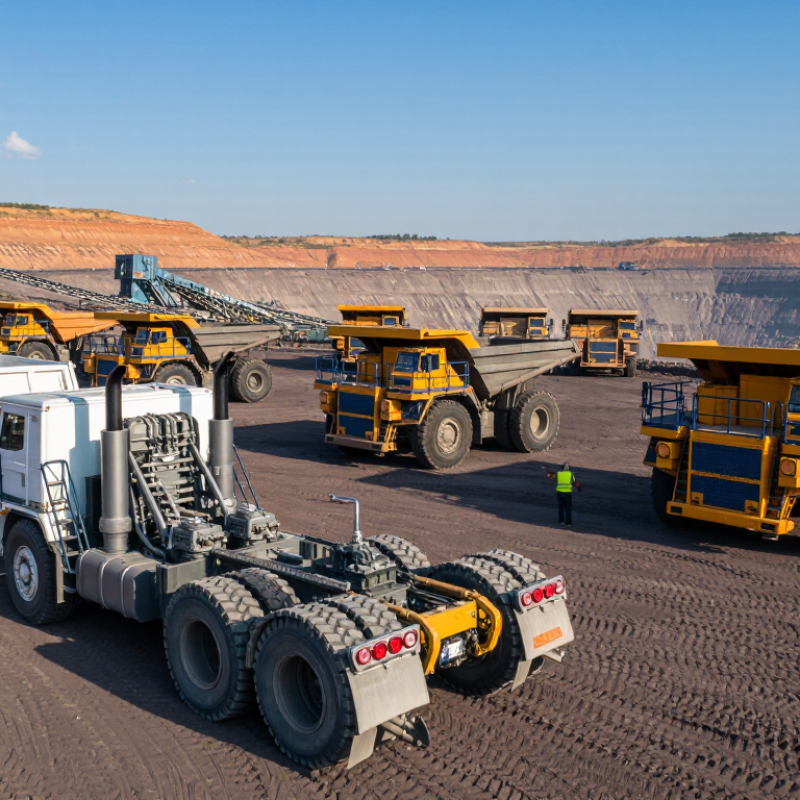
Mining Truck Classes: 30–400 t Payloads for Different Mine Scales
Mining Truck Classes: 30–400 t Payloads for Different Mine Scales
Mining trucks from 30 to 400 tonnes serve very different operating conditions. Smaller 30–60 t units suit narrow pits, short hauls, and developing mines. They offer easier road access and lower initial infrastructure demands. Mid-range trucks, commonly 90–220 t, fit large open-pit operations with established haul roads. Their payload balances cycle time, fuel use, and loading equipment capacity.
Ultra-class trucks above 250 t require wide benches, strong dump points, and carefully engineered ramps. A 400 t payload can reduce truck numbers, but it also magnifies downtime when one unit stops. The Global Mining Guidelines Group stresses consistent road design, braking control, and traffic management for safe haulage systems. Small details matter. A wet ramp changes everything.
According to the International Energy Agency’s Global Critical Minerals Outlook 2024, demand for minerals supporting energy technologies is expected to grow substantially this decade. That pressure may encourage higher mine output and larger haulage fleets. However, bigger is not always better. Site trials should compare payload, cycle time, tire wear, and availability. A 120 t truck may outperform a 300 t truck on a constrained route. That sounds obvious, yet procurement teams still overlook it. Mine planning data, maintenance records, and operator experience should guide the final class selection.
Mining Truck Payload Classes for Different Mine Scales
Nominal payload reference points from 30 to 400 tonnes, illustrating how rigid dump truck classes are commonly matched with increasing open-pit mine scale.
Smaller payload classes are generally suited to quarrying, construction aggregates, and small-to-medium open-pit operations. Higher-capacity classes are typically selected for large-scale mines where haul-road design, loading equipment, road conditions, and production targets can support larger trucks. Actual payload ratings and operating results vary by vehicle configuration and mine conditions.
Leading Chinese OEMs: XCMG, SANY, NHL, LiuGong, and Sinotruk
China has become a major source of rigid dump trucks for mines worldwide. Five leading Chinese OEMs now serve buyers across Asia, Africa, Latin America, and other regions. Their product ranges cover medium quarry trucks, heavy open-pit haulers, and electric or hybrid models.
A serious buyer should compare more than rated payload. Check engine performance at high altitude, brake response on steep grades, tire availability, and cab visibility. A 60-ton truck may look attractive, yet poor road conditions can reduce its real output. Ask for fuel figures from similar sites, not only laboratory data. Review welding quality, frame design, hydraulic access, and service intervals. Local technicians matter.
After-sales support often decides the purchase. Confirm spare-parts lead times, remote diagnostics, operator training, and warranty procedures before signing.
Reliable suppliers provide clear maintenance schedules and measurable service contacts. Site visits can reveal details that brochures hide, such as dust sealing around electrical cabinets or cramped filter access.
No supplier is perfect. Some claims still need verification. Buyers should request reference sites, inspection records, and independent checks before delivery. A careful comparison of the five leading Chinese OEM categories can reduce downtime, protect operating budgets, and match truck design with the mine’s actual haul profile.
Performance Metrics: 20–30% Gradeability, Cycle Time, and Fuel Use
For global buyers, a mining truck’s 20–30% gradeability rating needs careful interpretation. It describes the steepest incline the truck can manage under defined load, traction, and surface conditions. A wet ramp can change the result quickly. I have found that payload distribution matters almost as much as engine output. An overloaded rear axle may improve traction, but it can increase tire stress and braking distance. Buyers should request test data from ramps that resemble their own mine roads.
Cycle time reveals productivity more clearly than a brochure headline. Measure loading, travel, dumping, turning, and queuing separately. A truck may climb a 25% grade confidently, yet lose minutes during slow acceleration or tight dumping maneuvers. Small delays multiply across a twelve-hour shift. Track empty and loaded cycles. They rarely match. Fuel use also requires context. Record liters per operating hour and liters per tonne moved, not just engine consumption at rated power. Haul distance, gradient, idle time, and operator habits can shift results considerably. This is where many comparisons become imperfect. Laboratory figures are useful, but field measurements deserve greater weight. Buyers should review maintenance records, payload consistency, and seasonal road conditions before selecting a configuration. Keep the numbers honest.
Global Buyer Checklist: ISO 9001, CE Compliance, Parts, and After-Sales Support
For global buyers, a mining truck’s certificate matters only when its scope is clear. ISO 9001 confirms a quality management system, not automatic product excellence. Request the current certificate, issuing body, covered factory, and certified processes. Verify the certificate independently. Paper is not proof.
CE compliance requires more than a logo on the dashboard. Ask for the EU Declaration of Conformity, risk assessment, technical file access, and applicable machinery standards. The European Commission treats CE marking as a manufacturer’s conformity declaration. It is not a universal safety guarantee. Check the exact truck configuration, engine, braking system, and attachments. Small differences can change compliance duties.
Parts support deserves equal attention. The IEA’s Global Critical Minerals Outlook 2024 projects strong growth in mineral demand through 2040, increasing pressure on mine productivity and equipment availability. Deloitte’s Tracking the Trends 2024 also highlights operational resilience and productivity as major mining priorities. Ask for a parts catalogue, stock locations, delivery targets, and minimum support years. Confirm whether filters, brake components, tires, and electronic modules are locally available. Downtime hurts.
After-sales evidence should include service records from comparable sites, technician response times, remote diagnostics, and warranty exclusions. A supplier may promise 24-hour support, yet define “response” as an email. Clarify repair completion time. Conduct a factory audit when possible. Bring a mechanic, not only a purchasing manager. The checklist is useful, but field experience still exposes weak assumptions.