Top 10 Freeze Dried Dog Food Suppliers Worldwide
The global Freeze Dried Dog Food market is expanding, but quality differs sharply between suppliers. A lightweight pouch may contain carefully sourced meat, or simply create attractive packaging around incomplete nutrition. This guide examines ten leading suppliers worldwide through practical, evidence-based criteria. These include ingredient sourcing, nutrient adequacy, manufacturing controls, laboratory testing, product transparency, and customer support.
Dr. Lisa M. Freeman, a veterinary nutritionist at Tufts University, states, “There is no one best diet for all dogs.” That reminder matters here. A lively Labrador, an older terrier, and a dog with kidney concerns may need very different food. Suppliers should explain their recipes clearly, including calorie density, feeding guidance, and whether meals meet recognized nutritional standards. Responsible companies also provide traceability, batch information, and realistic storage instructions.
Details often reveal more than slogans. Look for sealed packaging, visible meat pieces, a fresh smell, and clear rehydration directions. Requesting a certificate of analysis can also expose weaknesses, although not every company publishes complete records. Freeze drying reduces moisture and weight, but it does not automatically eliminate every biological risk. Safe handling remains important.
This ranking is not flawless. Supplier data can change, and regional regulations may affect product availability. Some smaller brands may deserve more attention than public records allow. Still, comparing evidence rather than advertising offers a stronger starting point. The best choice should support the individual dog, not merely follow a popular trend.
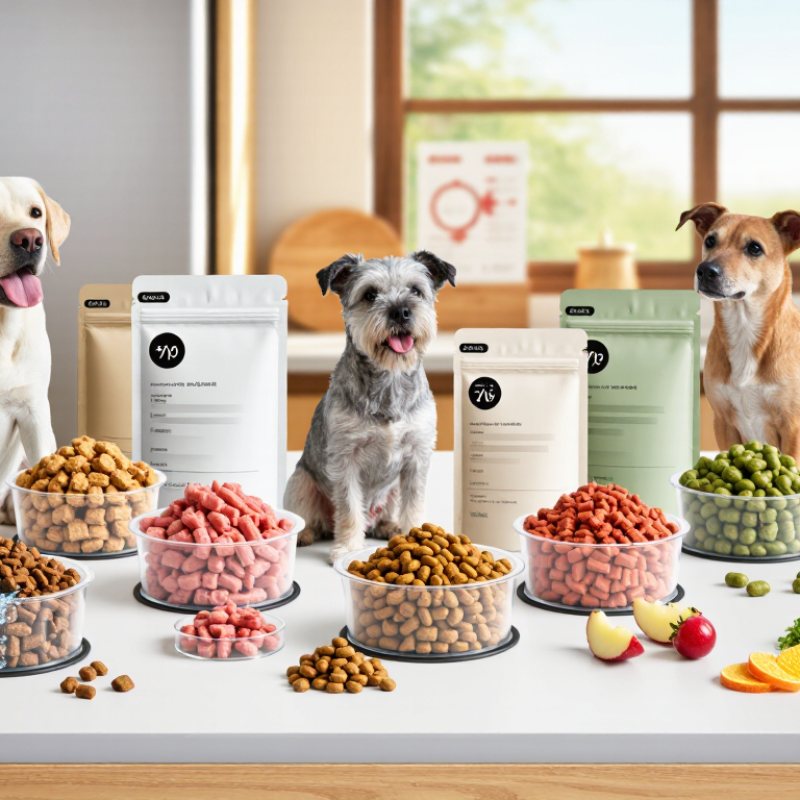
What Is Freeze-Dried Dog Food?
Freeze-dried dog food is made by freezing prepared ingredients and removing moisture in a vacuum. This process protects much of the food’s original flavor, texture, and nutrient structure. It also creates a lightweight product with a long shelf life when sealed properly.
The process is not magic. Freeze-drying does not reliably destroy every harmful microorganism, especially when raw ingredients are used. Reliable suppliers should explain their sourcing, processing controls, batch testing, and traceability. Clear labels should show calories, protein, fat, feeding amounts, and whether the food is complete and balanced. Vague promises deserve caution.
Rehydration matters.
Adding clean water can improve moisture intake and soften hard pieces. This is useful for older dogs or pets with dental discomfort. However, water changes the serving volume, not the calories. Owners should measure portions carefully, because freeze-dried food is compact and easy to overfeed. A gradual dietary change may reduce stomach upset. Wash bowls after meals, refrigerate leftovers, and follow the package storage instructions.
Quality can vary between worldwide suppliers. Some provide detailed laboratory reports, while others offer little evidence beyond attractive packaging. That difference is important. I would still question any claim that freeze-dried food is automatically superior to every cooked diet. Dogs have different ages, health needs, and preferences. A veterinarian can help assess the ingredient list, especially for puppies, pregnant dogs, or pets with medical conditions.
How to Evaluate Global Freeze-Dried Dog Food Suppliers
Evaluating global freeze-dried dog food suppliers requires more than comparing prices. A polished website proves little. Request facility photographs, current certifications, and a traceability record for each production lot. Reliable suppliers should identify ingredient origins, processing locations, and storage conditions clearly.
Check whether the facility follows recognized food safety systems, including hazard controls, sanitation procedures, and allergen management. Ask for recent laboratory reports covering pathogens, moisture, oxidation, and nutritional accuracy. Independent testing adds credibility. Examine the certificate dates carefully. Old documents create avoidable doubt.
Product samples can reveal texture, smell, package sealing, and label consistency. Measure the food after rehydration, not only when dry. Confirm minimum order quantities, production capacity, lead times, and backup plans before signing agreements. Suppliers should explain how they handle damaged cartons or testing failures. Transparent answers matter.
Do not overlook packaging performance. Freeze-dried food can absorb moisture quickly after opening. Request barrier specifications and transport test results for humid or hot routes. Export documents must match the destination market’s requirements. A supplier may be excellent locally but unprepared for international distribution. That difference is easy to miss. Price remains useful, but unusually low pricing deserves investigation. It may reflect weaker testing, unstable sourcing, or incomplete service. I would record every answer in a comparison sheet, while admitting one limitation: supplier claims still need independent verification. Regular audits and updated reports keep confidence from becoming assumption.
Top Freeze-Dried Dog Food Suppliers by Region
Top 10 Freeze Dried Dog Food Suppliers Worldwide
Regional sourcing strongly affects freeze-dried dog food quality, delivery time, and product consistency. North American suppliers often offer broad protein choices, including poultry, beef, fish, and organ meats. European suppliers commonly emphasize traceability, controlled processing, and clear nutritional documentation. Some companies in Oceania focus on local meat sources and shorter supply chains.
Asian suppliers are becoming more competitive in freeze-dried production. Several facilities invest in modern drying equipment, export testing, and sealed packaging. South American suppliers may provide distinctive ingredients, but buyers should inspect cold-chain procedures carefully. The strongest suppliers usually share batch numbers, laboratory reports, ingredient origins, and feeding guidelines. Those details matter more than attractive packaging.
Tips: Compare moisture levels, protein sources, processing temperatures, and recall records. Ask whether each batch receives microbial testing. Check packaging seals before opening. Store the food away from heat and humidity.
A useful top-ten list should include regional balance, not only sales volume. Supplier rankings can change quickly. A factory may perform well one year, then struggle with transport or raw-material consistency. That possibility deserves attention. From practical purchasing experience, small documentation gaps often create bigger concerns later. Buyers should review certificates, production dates, and customer service responses before placing large orders. Claims about “natural” ingredients can also be vague, so measurable information remains more reliable.
Safety, Certification, and Purchasing Considerations
When comparing the top ten freeze dried dog food suppliers worldwide, safety records should matter more than attractive packaging. Ask for recent batch test results, not general promises. Reliable suppliers should test for Salmonella, E. coli, mold, heavy metals, and rancidity. Moisture and water activity results also help assess shelf stability.
Look for documented HACCP or GMP systems, ISO 22000 certification, and independent laboratory verification. Certification alone is not enough. Check the certificate number, issuing body, scope, and expiry date. A complete Certificate of Analysis should match the exact lot being purchased. Traceability should reach the ingredient source, production date, and packaging line. Clear recall procedures show operational maturity.
Packaging deserves close attention. Pouches should resist oxygen and moisture, with secure seals and readable lot codes. Request samples before placing a large order. Examine odor, texture, ingredient consistency, and feeding directions. Confirm nutritional adequacy for the intended dog’s life stage under applicable regional standards. Import rules, labeling requirements, and registration duties vary by market, so verify them locally.
Paperwork can look perfect. It can still miss a weak process. During supplier reviews, I would ask how rejected batches are isolated and recorded. I would also compare complaint rates over time, not just one favorable inspection. A lower price may reflect efficient production, but it may also hide thinner testing or weaker packaging. Dig deeper.
Top 10 Freeze Dried Dog Food Suppliers Worldwide: Safety, Certification, and Purchasing Considerations
A practical procurement weighting model for comparing freeze-dried dog food suppliers without ranking individual companies or brands.
Safety controls and traceability receive the highest weighting because suppliers should demonstrate documented hazard analysis, batch testing, recall procedures, and ingredient traceability. Certification, regulatory compliance, product quality, logistics, and commercial terms should also be verified for the destination market before purchasing.

