

Blog

blog

Blog

blog

Blog

blog

Top Home Audio Intercom System Suppliers for Global Buyers

Choosing a Home Audio Intercom System for international projects requires more than comparing prices and product photos. Buyers must examine voice clarity, microphone sensitivity, speaker output, wiring options, network compatibility, and long-term technical support. A polished brochure can hide weak performance. Test evidence matters more.

Dr. Floyd Toole, a respected loudspeaker researcher, wrote, “The sound quality of a loudspeaker is determined by its interaction with the room in which it is placed.” His observation applies strongly to residential intercoms. A hallway with hard tile can create echo. A nursery needs softer volume control. An outdoor entrance requires weather-resistant hardware and clear speech at a practical distance. These details can separate a dependable installation from an expensive disappointment.

This guide reviews leading Home Audio Intercom System suppliers for global buyers. It considers manufacturing experience, product consistency, certification practices, integration capability, warranty terms, and regional service. Supplier transparency also deserves attention. Can the company provide installation guides, replacement parts, firmware information, and realistic delivery schedules? No supplier is perfect. Even established brands may have regional limitations or slow support during busy periods. That point is easy to overlook.

The strongest purchasing decision balances audio performance, safety, usability, and total ownership cost. Buyers should request samples, test several rooms, and confirm compatibility before placing large orders. A system may sound impressive in a showroom yet perform poorly beside a running air conditioner. Careful evaluation remains the safer path for homes, apartments, villas, and smart residential developments worldwide.
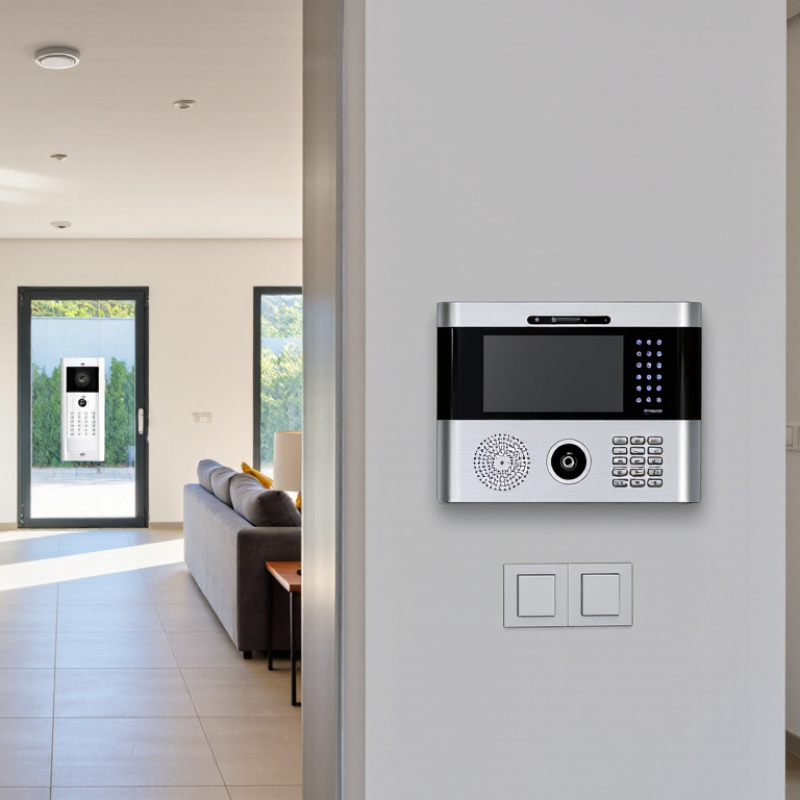
Top Home Audio Intercom System Suppliers for Global Buyers

Home Audio Intercom Systems: Definition, Types, and Core Functions

Home audio intercom systems enable two-way voice communication between rooms, entrances, and outdoor areas. They use microphones, speakers, control panels, and wired or wireless connections. Unlike ordinary doorbells, intercoms support direct conversations without opening a door. According to Grand View Research, the global smart home market reached approximately USD 121.6 billion in 2023. Its projected growth shows rising demand for connected household communication tools. However, smart home growth does not automatically guarantee better intercom performance.

Common types include wired, wireless, DECT, Wi-Fi, and hybrid systems. Wired models often provide stable sound across thick walls and larger homes. Wireless systems offer faster installation, but interference may affect voice clarity. Some units connect with door stations, electric locks, alarms, or mobile applications. Core functions include room-to-room calling, hands-free answering, visitor communication, paging, volume control, and privacy muting. Professional installers should test echo, signal strength, microphone sensitivity, and backup power before approval. Small details matter.

Tips: Measure wall materials first. Test at peak household activity. Keep microphones away from fans and kitchens. Check whether the system supports local operation during internet outages. Buyers should also review technical documentation, warranty terms, replacement-part access, and regional compliance requirements. MarketsandMarkets identifies connectivity and automation as major smart-home growth drivers, yet user training remains overlooked. A sophisticated system can still frustrate residents when buttons lack clear labels or audio feedback. That weakness deserves honest attention.

Top Home Audio Intercom System Suppliers for Global Buyers - Home Audio Intercom Systems: Definition, Types, and Core Functions

System Category Definition Typical Transmission Method Core Functions Suitable Residential Applications Key Sourcing Considerations
Wired Audio Intercom A fixed intercom system that uses dedicated cabling to carry two-way voice communication between indoor stations. Dedicated low-voltage cable, twisted pair, or structured building wiring. Room-to-room calling, door-station communication, hands-free answering, call transfer, and door-release integration. New construction, large homes, villas, assisted-living rooms, and properties requiring stable communication. Cable compatibility, installation labor, power requirements, maximum wiring distance, and support for system expansion.
Wireless Audio Intercom A portable or semi-portable intercom system that exchanges voice signals through short-range wireless communication. Radio frequency, DECT, Bluetooth, Wi-Fi, or other wireless protocols, depending on the design. Two-way calling, portable communication, room grouping, volume adjustment, and optional paging. Existing homes, temporary installations, apartments, small offices, and locations where new wiring is impractical. Wireless range, wall penetration, interference resistance, battery life, charging method, and regional radio compliance.
Wi-Fi or IP Audio Intercom A network-connected intercom that sends audio over an IP network and can communicate with compatible devices or software. Ethernet, Wi-Fi, or a combination of local-area network and internet services. Multi-room calling, mobile notifications, remote answering, user management, event logging, and integration with smart-home platforms. Smart homes, multi-unit residences, properties with existing network infrastructure, and remote-access applications. Network bandwidth, cybersecurity, cloud dependence, software support, data privacy, firmware updates, and interoperability.
Door-Entry Audio Intercom An intercom designed to identify visitors by voice and enable residents to control access from an indoor station. Wired bus, Ethernet, Wi-Fi, or a hybrid connection between the entrance station and indoor units. Visitor calling, voice verification, door-release control, call indication, and connection to an electric lock or access controller. Detached houses, apartment buildings, gated residences, and small residential developments. Lock and relay compatibility, weather resistance, tamper protection, audio clarity, emergency operation, and local electrical standards.
Multi-Room Paging System A residential communication system that distributes announcements or audio messages to selected rooms or zones. Dedicated wiring, network audio, or wireless zone communication. Zone paging, all-room announcements, selective calling, priority alerts, and adjustable speaker volume. Large residences, care facilities, home workshops, and buildings requiring rapid household announcements. Number of zones, speaker impedance, amplifier capacity, priority functions, acoustic coverage, and installation complexity.
Hands-Free Audio Intercom An intercom with a built-in microphone and speaker that enables conversation without holding a handset. Wired, wireless, or IP-based communication, depending on the product architecture. Voice-activated or push-to-talk communication, echo reduction, call indication, and volume control. Kitchens, nurseries, bedrooms, accessibility-focused residences, and locations needing simple operation. Microphone sensitivity, speaker loudness, acoustic feedback control, accessibility, cleaning requirements, and user interface simplicity.
Emergency Communication Intercom A communication solution intended to support urgent voice contact between residents, staff, or designated response points. Dedicated wired circuits, secure IP networks, or supervised wireless links. Priority calling, alarm notification, two-way voice, status monitoring, backup power support, and centralized answering. Accessible housing, senior-care environments, large residential properties, and locations with defined emergency procedures. Reliability, battery backup, fault monitoring, alarm integration, accessibility requirements, service response, and applicable safety regulations.
Global Buyer Evaluation Checklist: Confirm communication range, audio quality, power supply, installation method, environmental protection, access-control compatibility, cybersecurity measures, technical documentation, warranty coverage, spare-part availability, and compliance with the destination market’s electrical and radio regulations.

Key Features to Compare When Choosing an Intercom Supplier

Top Home Audio Intercom System Suppliers for Global Buyers

When comparing intercom suppliers, start with real audio performance, not brochure claims. Clear speech should remain understandable through walls, corridors, and moderate household noise. Ask for sample recordings or arrange a live demonstration before ordering. Check microphone sensitivity, speaker volume, echo control, and hands-free communication. A system that sounds sharp in a showroom may perform differently in a busy home.

Installation also deserves close attention. Confirm wiring options, power requirements, mounting dimensions, and compatibility with existing doorbells or control panels. Suppliers should provide readable manuals, wiring diagrams, firmware updates, and responsive technical support. Warranty length matters, but repair procedures matter more. I have seen low-cost equipment become expensive when replacement parts were unavailable. That experience changed how I evaluate quotations. The cheapest offer is rarely the complete cost.

Tips: Request a detailed specification sheet and a written service agreement. Compare delivery times, spare-part availability, training, and return policies. Ask how the supplier protects user data and limits remote access. Verify that products meet applicable safety and communications requirements in the target market. Test several units together, because one device may sound excellent while a full installation creates delay or interference. No supplier is perfect. Look for honest limitations, measurable testing, and practical support after installation.

Leading Supplier Categories for Global Home Audio Buyers

Global home audio buyers usually compare three supplier categories: direct manufacturers, authorized distributors, and specialist system integrators. Each category serves a different purchasing need. Direct manufacturers often provide private-label production, enclosure changes, and firmware adjustments. They suit importers ordering larger volumes. However, factory communication can be slower when technical requirements are unclear.

Authorized distributors usually offer ready-to-ship indoor stations, outdoor call panels, power supplies, and replacement parts. Their stock reduces project delays. They may also provide regional documentation, installation guidance, and warranty handling. This category works well for smaller contractors and property developers. Check whether the supplier supports voltage options, language settings, and local service response times.

Specialist integrators focus on complete residential solutions rather than single devices. They can design audio coverage for villas, apartment entrances, elderly-care rooms, or multi-floor homes. Experienced teams should explain wiring distance, network stability, acoustic clarity, and emergency power behavior in practical terms. Ask for sample testing with real wall materials and background noise. A quiet showroom can hide poor performance. I have found that a low quotation sometimes excludes mounting kits, cables, or configuration work. That mistake becomes expensive later. Supplier evaluation should include factory experience, test records, product traceability, secure data practices, and written after-sales terms. No category is perfect. A smaller supplier may respond faster, yet lack spare-part depth. A large supplier may appear reliable, but communication can feel rigid.

International Sourcing, Compliance, and Installation Considerations

Top Home Audio Intercom System Suppliers for Global Buyers

Buying a home audio intercom system across borders requires more than comparing unit prices. Experienced buyers check supplier documentation, production samples, and after-sales response before placing volume orders. Ask for a current specification sheet covering microphone sensitivity, speaker output, wiring, wireless bands, power input, and operating temperature. A sample installed in a typical apartment reveals issues that photographs hide. Thin wall panels can weaken sound. Metal doors may reduce wireless range. Test these conditions early.

Compliance is destination-specific, not universal. Confirm electrical safety, radio-frequency, electromagnetic compatibility, and labeling requirements with an independent testing body or local importer. Request test reports linked to the exact model and revision, not a similar product. For mains-powered equipment, verify plug type, voltage tolerance, insulation, and protective design. Wireless versions need extra attention because permitted frequency bands differ. Data handling also matters when the system stores voice clips or connects to an app. Contract terms should define firmware support, spare parts, warranty timing, and responsibility for failed customs inspections. Do not rely on verbal promises.

Installation planning should happen before shipment. Provide floor plans, cable routes, door hardware details, and local labor rates to the supplier. Confirm whether installers need special tools or training. In one pilot, a missing mounting depth caused a costly wall revision. That mistake was avoidable. Keep spare terminals, power adapters, and indoor stations. Label every cable at both ends. A remote commissioning call can help, but it cannot replace an on-site acoustic test. Ask the installer to check volume balance, feedback, call latency, emergency power behavior, and accessibility during handover. Some systems look excellent on paper. Homes are less cooperative.

Recommended IP Protection by Home Audio Intercom Installation Environment

The chart uses the two IEC 60529 IP-code digits: protection against solid particles and protection against water. Select the enclosure rating according to the actual installation location, local electrical regulations, and supplier instructions.

IP20 is generally suitable for clean, dry indoor areas; IP44 adds protection against solid objects and splashing water; IP54 provides dust-limited and splash protection; IP65 provides dust-tight protection and resistance to water jets, making it more appropriate for exposed outdoor locations. These ratings are installation benchmarks rather than a substitute for project-specific compliance review.

How to Evaluate Suppliers, Pricing, Support, and Warranty Terms

When evaluating home audio intercom system suppliers, inspect more than product photos and quoted prices. Ask for wiring diagrams, audio range tests, microphone sensitivity data, and compatibility details. A reliable supplier should explain whether the system supports two-wire, network, or hybrid installation. Request a sample unit before placing a large order. Hearing voice clarity through a closed door reveals more than a brochure.

Pricing should include controllers, indoor stations, power supplies, cables, software, shipping, and replacement parts. Compare the total installed cost, not only the unit price. Ask whether volume discounts remain available after customization. Clarify payment stages and lead times in writing. One supplier may offer a lower price but use a weaker power adapter. That difference can create service problems later.

Support quality often separates experienced suppliers from simple resellers. Check response times, technical documentation, remote troubleshooting, and spare-part availability. Ask for training materials that installers can understand without repeated calls. Warranty terms should state coverage length, excluded damage, return procedures, and who pays transportation. I once underestimated the value of local replacement stock. The product worked well, but a small failed component caused an avoidable delay. A clear warranty helps, yet it cannot replace careful testing, realistic delivery promises, and dependable communication.