

Top 10 Ski Jacket Manufacturers for Global Buyers?
When global buyers evaluate Ski Jacket manufacturers, a polished catalog is only the starting point. Reliable sourcing requires evidence from factories, product samples, production records, and customer feedback. A jacket may look warm in photographs, yet fail when wind enters through a weak cuff or poorly sealed seam.
This guide examines ten established manufacturers serving international markets. It considers fabric performance, insulation options, waterproof construction, factory capacity, customization, quality control, and communication. Practical details matter. Buyers should ask about laboratory testing, material traceability, size grading, packaging, lead times, and inspection procedures before placing large orders. A strong supplier should explain performance claims clearly and provide documents that support them.
No ranking is universally correct. Buyer needs differ. A ski school may prioritize durable, washable garments, while a premium retailer may focus on recycled fabrics and refined finishing. Some manufacturers are excellent at technical outerwear but less flexible with small orders. Others offer attractive pricing but require closer quality supervision. These limitations deserve attention, not polished marketing language. Market conditions, fabric costs, and production schedules also change. This article therefore treats manufacturer selection as a careful comparison, rather than a final verdict. The goal is to help global buyers identify capable partners, reduce avoidable sourcing risks, and choose Ski Jacket production that matches their climate, customer expectations, budget, and compliance responsibilities. Details can still be missed. Careful verification remains essential.
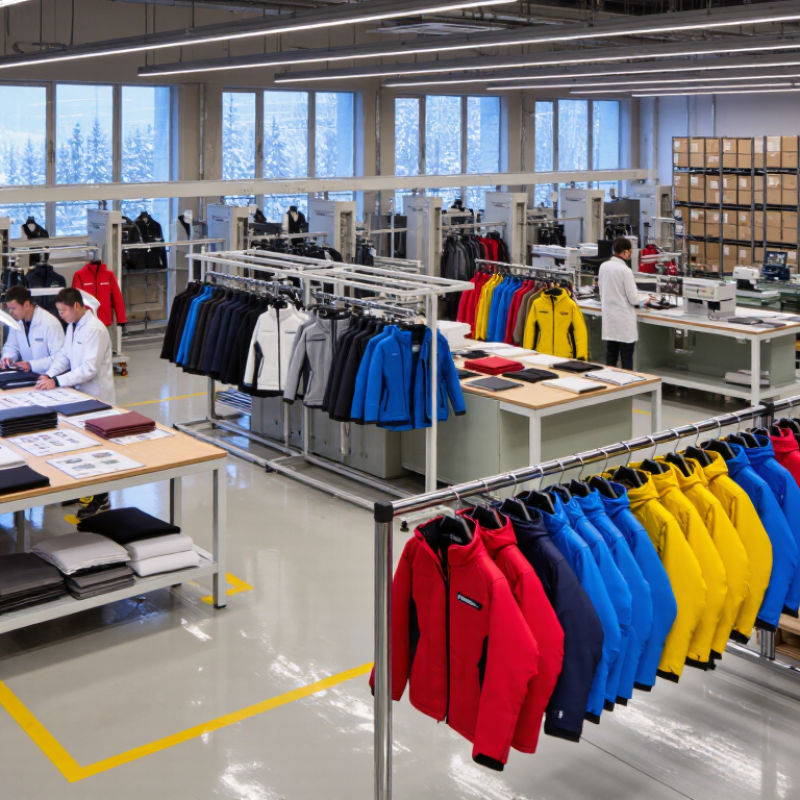
What Defines a Leading Ski Jacket Manufacturer for Global Buyers
For global buyers, a leading ski jacket manufacturer offers more than attractive samples. It understands changing mountain conditions, buyer expectations, and production risks. Experienced manufacturers develop jackets for wind, snow, movement, and repeated washing. They select fabrics with dependable waterproof ratings and breathable membranes. They also test seam sealing, zippers, insulation, and hood adjustment in realistic conditions.
Professional production depends on clear systems. Reliable manufacturers provide material specifications, size charts, inspection records, and transparent delivery schedules. Their technical teams can adjust patterns for different markets and body shapes. They should explain testing methods instead of making vague performance claims. Responsible factories also control worker safety, chemical handling, and waste management. No factory gets every decision right. However, a trustworthy manufacturer admits weaknesses and improves them. That honesty often matters more than polished sales language.
Tips: Request a development sample, wash it, and inspect it after use. Ask for independent test reports and production photos. Confirm minimum order quantities, replacement policies, and communication timelines before signing agreements. Visit the facility when possible, or arrange a credible third-party audit. A low price may look attractive, but unstable quality can create costly returns and disappointed customers.
Top 10 Ski Jacket Manufacturers for Global Buyers? - What Defines a Leading Ski Jacket Manufacturer for Global Buyers
Comparative reference table based on commonly used sourcing criteria for international ski-jacket procurement. Profiles are anonymized and represent typical manufacturer capability levels rather than named companies.
| Rank | Manufacturer Profile | Primary Production Region | Core Product Capability | Material & Construction Options | Weather-Protection Capability | Quality & Compliance Support | Typical MOQ | Typical Lead Time | Best Fit for Global Buyers |
|---|---|---|---|---|---|---|---|---|---|
| 01 | Profile A Integrated Technical Outerwear Factory | Eastern China | Complete ski jackets, insulated shells, three-in-one systems and technical snowwear. | Nylon Polyester Recycled Fibers Taped Seams | Water-resistant or waterproof shell construction; insulation options for moderate to severe winter conditions. | Pre-production samples, inline inspection, final inspection and restricted-substance testing can be arranged. | 500–1,000 pcs per style | 75–110 days | Established retailers and multi-country programs requiring broad technical development. |
| 02 | Profile B High-Volume OEM Producer | Central and Eastern China | Large-scale production of standardized insulated ski jackets and resort outerwear. | Polyester Synthetic Insulation DWR Finish | Suitable for everyday resort use, light snow and moderate wind protection. | Production quality systems, fabric testing and carton-level inspection are commonly available. | 1,000–3,000 pcs per style | 60–90 days | Value-focused buyers prioritizing stable capacity and competitive unit cost. |
| 03 | Profile C Performance Shell Specialist | Coastal China | Lightweight waterproof shells, hard shells, ski touring jackets and technical layering systems. | High-Density Nylon Membrane Fabrics Bonded Seams | Designed for higher wind resistance, precipitation protection and active-use breathability. | Lab testing, seam-strength testing, hydrostatic-pressure testing and wear trials may be supported. | 300–800 pcs per style | 80–120 days | Outdoor specialists and technical brands targeting premium performance segments. |
| 04 | Profile D Flexible Mid-Sized Export Factory | Vietnam | Fashion-led ski jackets, insulated parkas and medium-volume private-label collections. | Polyester Nylon Polyfill Fleece-Lined Panels | Good protection for recreational skiing and general cold-weather travel. | Export documentation, size-set approval, needle inspection and basic laboratory reports are typically available. | 300–800 pcs per style | 70–100 days | Growing brands needing design flexibility and diversified Asian sourcing. |
| 05 | Profile E Cost-Efficient Snowwear Manufacturer | Bangladesh | Basic insulated jackets, padded snowwear and high-volume cold-weather apparel. | Polyester Quilted Construction Recycled Fill Options | Primarily intended for light to moderate snow, wind and low-temperature urban use. | Social-compliance audits, fabric inspection and standard production reports can be requested. | 1,000–3,000 pcs per style | 90–130 days | Large-volume buyers seeking competitive pricing and repeatable basic designs. |
| 06 | Profile F European Technical Small-Batch Factory | Central and Eastern Europe | Premium ski shells, limited collections, sample development and specialized technical garments. | Recycled Nylon Technical Laminates Laser-Cut Details | Strong focus on durability, fit precision, seam sealing and demanding mountain use. | Detailed technical packs, traceability documentation, material declarations and laboratory testing are commonly supported. | 100–500 pcs per style | 60–100 days | Premium labels and buyers requiring shorter regional supply chains. |
| 07 | Profile G South Asian Technical Apparel Factory | Pakistan | Technical jackets, snowboarding outerwear and insulated garments for export markets. | Nylon Polyester Membrane Inserts Seam Taping | Can provide strong wind and moisture protection when specified with appropriate fabrics and seam construction. | Factory audits, inline quality checks, pre-shipment inspection and product testing are commonly offered. | 500–1,500 pcs per style | 80–120 days | Buyers balancing technical features, labor efficiency and medium-to-large order volumes. |
| 08 | Profile H Design-to-Production Specialist | South China | Product development, pattern engineering, custom trims and small-to-medium private-label orders. | Nylon Polyester Down Alternatives Custom Trims | Capability depends on selected fabric system; suitable for customized resort and lifestyle snowwear. | Tech-pack review, prototype iterations, measurement reports and pre-production approval processes are available. | 200–600 pcs per style | 70–110 days | New brands and buyers requiring design assistance before bulk production. |
| 09 | Profile I Recycled-Material Focused Factory | Indonesia | Eco-positioned insulated jackets, recycled-fiber outerwear and lifestyle ski collections. | Recycled Polyester Recycled Nylon Low-Impact Finishes | Suitable for recreational winter sports when the selected shell fabric and seam construction meet the required performance level. | Material-origin documentation, recycled-content records and chemical-management testing may be provided. | 500–1,500 pcs per style | 80–120 days | Buyers emphasizing sustainability claims and responsible-material sourcing. |
| 10 | Profile J Nearshore European Outerwear Factory | Turkey and nearby European markets | Fast-turnaround ski jackets, fashion outerwear and replenishment programs for regional distribution. | Polyester Nylon Insulated Linings Water-Repellent Finishes | Generally suited to resort, travel and urban winter applications with short regional delivery routes. | European-market labeling, size grading, quality inspection and shorter sampling cycles are commonly supported. | 200–800 pcs per style | 45–80 days | Regional retailers needing shorter lead times and smaller replenishment quantities. |