

What Are the Top Wax Candle Types in 2026 for Global Buyers?
Global buyers are reassessing Wax Candles in 2026. The choice now extends beyond fragrance and appearance. Buyers compare wax origin, burn performance, vessel safety, labeling, and environmental claims.
Grand View Research projects steady global candle-market growth through 2030, with premium and scented products supporting demand. The National Candle Association also reports that about 90% of candle users burn candles to create a comfortable atmosphere. These figures show strong emotional demand. They do not guarantee product quality.
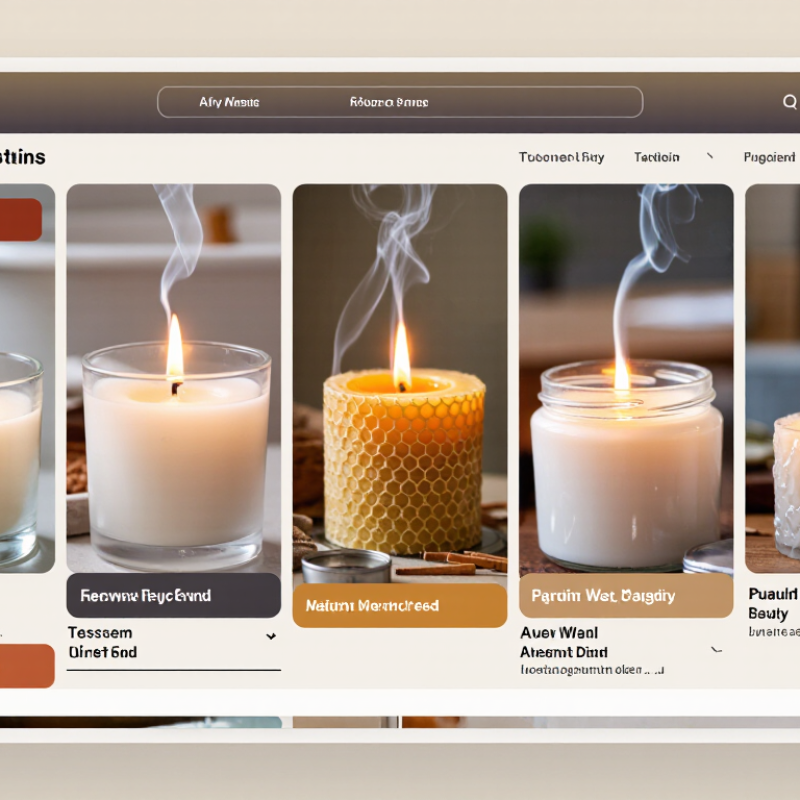
Soy wax remains popular among buyers seeking plant-based positioning and a softer visual finish. Paraffin wax often provides stronger scent throw and reliable production costs. Beeswax offers a natural aroma, longer burning potential, and a distinctive golden color. Coconut wax creates a creamy surface but usually requires blending. Palm wax can form attractive crystalline textures, though responsible sourcing deserves closer review.
Kathy LaVanier, former president of the National Candle Association, has described candles as products that “create atmosphere, comfort, and a sense of well-being.” That perspective still matters. A candle is not only a commodity. It sits beside a bathtub, on a restaurant table, or near a family photograph.
However, buyers should question simplified claims. “Natural” does not always mean cleaner burning. “Eco-friendly” may lack independent verification. Wax composition, wick design, fragrance load, and container quality work together. This guide examines the top Wax Candles types for global buyers, using market evidence, technical considerations, and practical purchasing experience. Some conclusions remain imperfect. Regional testing methods and supplier disclosures can differ.
Global Candle Market Baseline: USD 8.9B in 2023 (Grand View Research)
What Are the Top Wax Candle Types in 2026 for Global Buyers?
Global Candle Market Baseline: USD 8.9B in 2023 (Grand View Research)
The global candle market reached USD 8.9 billion in 2023, according to Grand View Research. This figure shows strong commercial demand, but it is not a promise of future sales. In 2026, buyers may focus on soy wax, coconut blends, beeswax, paraffin, and rapeseed wax. Each option serves a different market position.
Soy wax remains popular for its plant-based image and smooth container finish. Coconut blends can improve scent release, although costs may rise. Beeswax offers a natural aroma and longer burning time, but supply consistency can be difficult. Paraffin usually provides strong fragrance performance and competitive pricing. Rapeseed wax attracts buyers seeking regional plant-based sourcing. No wax wins every test. Container size, wick design, fragrance load, and storage temperature can change results.
Tips: Request samples from several production batches. Test burn time, melt-pool width, frosting, scent strength, and label accuracy. Ask for safety documents and clear material specifications. Compare delivered cost, not only the factory price. A cheaper wax may create more rejects. That lesson is easy to miss. Also, market figures can differ by research method, so buyers should verify current regional data before placing large orders.
What Are the Top Wax Candle Types in 2026 for Global Buyers?
Global Candle Market Baseline: USD 8.9B in 2023 (Grand View Research)
| Rank | Wax Type | Primary Origin | Typical Melt-Point Range* | Key Performance Profile | Common Candle Formats | 2026 Global Buyer Advantages | Main Purchasing Considerations |
|---|---|---|---|---|---|---|---|
| 1 | Paraffin Wax | Petroleum refining by-product; highly refined grades are commonly used for candles. | Approximately 46–68°C, depending on grade. | Reliable fragrance release, bright color potential, consistent surface finish, and broad formulation flexibility. | Container candles, pillars, votives, tealights, molded candles. | Cost efficiencyGlobal availabilityProcess consistency | Petroleum origin, sustainability positioning, grade selection, and regulatory requirements for additives and fragrance. |
| 2 | Soy Wax | Hydrogenated soybean oil; a plant-based vegetable wax. | Approximately 45–54°C for many container-wax grades. | Soft to medium hardness, generally slower burning than many low-melt paraffin grades, and suitable for creamy container finishes. | Container candles, wax melts, tealights, blended candles. | Plant-based positioningContainer suitabilityRetail demand | Frosting, wet spots, cold-throw variation, crop and commodity-price exposure, and the need for accurate wick testing. |
| 3 | Coconut Wax | Hydrogenated coconut oil, commonly used alone or in blends. | Approximately tiene 35–45°C for many soft container formulations. | Soft texture, smooth appearance, and good fragrance compatibility when correctly formulated. | Premium container candles, blended wax candles, wax melts. | Premium positioningSmooth finishBlend flexibility | Usually higher material cost, softer handling characteristics, tropical-temperature logistics, and frequent dependence on blends for structural strength. |
| 4 | Beeswax | Natural wax produced by honeybees. | Approximately 61–65°C. | Hard, naturally aromatic, naturally golden unless filtered or refined, and well suited to long-lasting molded forms. | Pillars, tapers, votives, molded candles, sheets. | Natural materialHigh hardnessPremium story | Higher cost, color and aroma variation, traceability, authenticity verification, and limited supply compared with petroleum-based waxes. |
| 5 | Palm Wax | Fractionated palm oil, often processed into crystalline candle-wax structures. | Approximately 50–60°C, depending on formulation. | Harder structure with distinctive crystalline or feathered visual effects in suitable formulations. | Pillars, votives, molded candles, decorative candles. | Decorative textureHardnessMolded formats | Palm-oil traceability, deforestation-risk policies, certification requirements, and possible surface variation between batches. |
| 6 | Rapeseed Wax | Hydrogenated rapeseed oil; a plant-based wax used particularly in European supply chains. | Approximately 45–55°C for many container formulations. | Medium-soft texture, good suitability for container candles, and a neutral base when properly refined. | Container candles, tealights, wax melts, blended candles. | Regional sourcingPlant-basedContainer use | Regional availability, harvest variability, frosting or adhesion behavior, and the need to validate performance across climates. |
| 7 | Vegetable Wax Blends | Combinations of soy, coconut, rapeseed, palm, or other plant-derived waxes. | Typically approximately 40–60°C, depending on the blend ratio. | Engineered balance between hardness, fragrance loading, adhesion, appearance, and burn performance. | Container candles, wax melts, tealights, premium blended candles. | Formulation flexibilityPerformance tuningSustainability options | Ingredient disclosure, consistency between suppliers, blend-specific testing, and claims substantiation for “natural” or “plant-based” labels. |