
Blog
Blog
Blog
What Are Upholstery Fabrics and How Do You Choose Them?
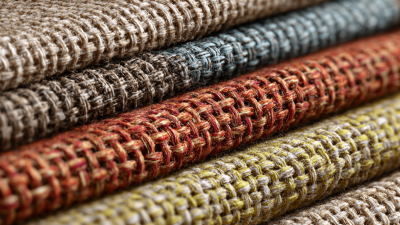
Upholstery fabrics shape how furniture looks, feels, and performs in everyday life. They cover sofas, dining chairs, headboards, ottomans, and occasional benches. More than decoration, they create the surface your hands, clothing, pets, and guests contact repeatedly. A velvet sofa may feel warm and luxurious, while tightly woven linen can provide a lighter, relaxed appearance. The right choice depends on use, maintenance, room conditions, and personal taste.
Choosing upholstery fabrics requires practical judgment. Begin by considering traffic levels and household habits. A family room may need a durable, tightly woven fabric with strong abrasion resistance. A formal chair may allow a more delicate texture because it receives less daily use. Check the fabric’s cleaning code, fiber content, colorfastness, and manufacturer testing information. These details offer better guidance than appearance alone. Hold a sample near a window. Sit against it. Look for visible distortion, loose threads, or an uncomfortable finish.
There is no perfect fabric. Not really. Every material involves compromises. Natural fibers can offer breathability and character, but they may wrinkle or fade. Synthetic blends often improve durability, stain resistance, and price flexibility, though they may feel less organic. Experienced upholsterers also consider seam placement, pattern matching, cushion shape, and the fabric’s direction. A beautiful sample can disappoint when stretched across a curved arm. This guide explains what upholstery fabrics are and how to compare them with greater confidence, using practical details instead of assumptions. Even careful choices deserve review after real use.
Definition and Role of Upholstery Fabrics
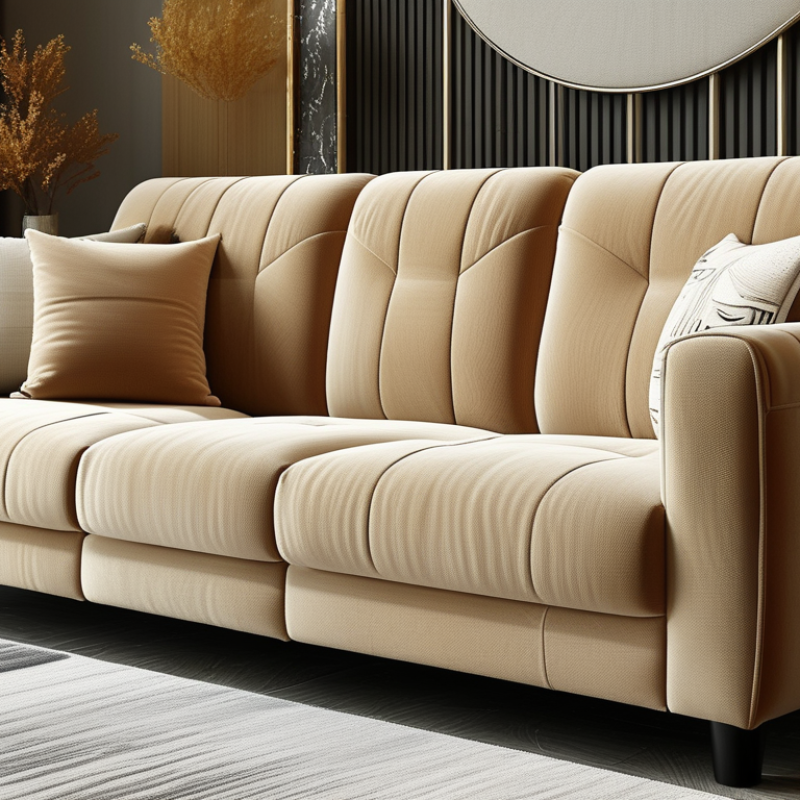
Upholstery fabrics are materials designed to cover and protect furniture, including sofas, chairs, benches, and headboards. They form the visible surface people touch every day. Their role is not purely decorative. A suitable fabric can reduce wear, improve comfort, and help furniture maintain its shape and appearance.
Fabric performance depends on fiber, weave, finish, and furniture use. Cotton and linen often feel breathable and natural, but they may wrinkle or stain more easily. Synthetic fibers can provide stronger abrasion resistance and easier cleaning. Blended fabrics may balance softness with durability. Check abrasion results, pilling resistance, colorfastness, and cleaning instructions before choosing. These details matter more than a beautiful sample alone.
Think about the room first. A dining chair needs better stain resistance than a rarely used reading chair. Direct sunlight can fade some colors. Pets, children, and rough clothing also increase daily stress. In my experience, a tightly woven fabric often feels more reliable than a loose, delicate weave. Still, I once preferred texture over maintenance and regretted that choice after repeated cleaning. No fabric is perfect. A practical choice accepts a few compromises while matching real habits, comfort needs, and expected furniture life.
Main Types of Upholstery Fabrics and Their Properties
Upholstery fabrics cover furniture frames, cushions, and other padded surfaces. Their main types differ in durability, texture, maintenance, and appearance.
Cotton feels soft and breathable, but it can wrinkle and absorb stains easily.
Linen offers a cool, natural texture, although it may crease faster in busy rooms.
Wool resists wear and often keeps its shape well. It can feel slightly rough without a soft blend.
Synthetic options provide practical performance. Polyester resists fading, stretching, and everyday spills. Nylon adds strength, especially on dining chairs or frequently used sofas. Microfiber has a dense, smooth surface that can repel small spills when treated properly.
Velvet creates rich color and depth, but its pile may show pressure marks.
Leather is not technically a fabric, yet it remains a popular upholstery material because it is durable and easy to wipe clean.
Tips:
Match the fabric to the room’s real use. Check the abrasion rating, fiber content, cleaning code, and colorfastness before buying. Sit on a sample if possible. A fabric may look elegant under showroom lights but feel uncomfortable at home.
I once chose a pale, textured material for a busy reading chair; it looked beautiful, but maintenance became frustrating. No material is perfect. Light colors need more care, while heavily coated fabrics may feel less natural. Keep pets, children, sunlight, and cleaning habits in the decision.
Key Factors for Choosing the Right Upholstery Fabric
Upholstery fabric is more than a color layer. It affects comfort, durability, cleaning, and a room’s visual weight. Choose it around real use. A quiet reading chair needs different performance from a busy family sofa or restaurant bench. Count children, pets, sunlight, and cleaning habits before choosing a texture.
Check abrasion, pilling, seam slippage, colorfastness, and cleanability. Ask for Wyzenbeek or Martindale results, but never compare those methods directly. Higher abrasion numbers do not guarantee a softer hand or longer service life. A 2024 Grand View Research analysis projects the upholstery fabric market to grow at about 5% annually through 2030, reflecting continued demand for durable and design-focused interiors. That growth does not make every “performance” claim equally useful. Request test conditions and care instructions.
Material choice also involves environmental judgment. Textile Exchange’s Materials Market Report 2024 reports that polyester made up 57% of global fiber production in 2023. Recycled polyester represented roughly 14% of polyester production. Those figures show scale, not automatic sustainability. Check recycled content, backing materials, finish chemistry, and expected lifespan. I would always take a full-size sample home. View it beside a window, sit on it, and test a small hidden area with the approved cleaner. A beautiful pale fabric can fail quickly in a real hallway. That is an uncomfortable lesson, but catalog photographs cannot reveal it.
What Are Upholstery Fabrics and How Do You Choose Them? - Key Factors for Choosing the Right Upholstery Fabric
Upholstery fabrics are textile materials used to cover furniture such as sofas, chairs, benches, and ottomans. The best choice depends on durability, cleaning needs, comfort, appearance, household use, and budget.
| Fabric Type | Key Characteristics | Durability for Regular Use | Stain and Moisture Behavior | Comfort and Appearance | Care Considerations | Best-Suited Applications |
|---|---|---|---|---|---|---|
| Cotton | Natural fiber with a soft hand, good breathability, and a wide range of colors and patterns. | ★★★☆☆ Moderate | Absorbs liquids relatively quickly and may show stains unless treated or blended with other fibers. | Comfortable, casual, and available in many textures; can wrinkle or fade with heavy exposure to sunlight. | Follow the fabric-care label. Professional cleaning may be needed for fitted upholstery. | Light-to-moderate household use, slipcovers, accent chairs, and relaxed living spaces. |
| Linen | Natural bast fiber known for breathability, a crisp texture, and a distinctive organic appearance. | ★★★☆☆ Moderate | Absorbent and not naturally stain resistant; untreated linen can be vulnerable to spills and soiling. | Cool and elegant with a natural texture; tends to crease and may weaken or fade under prolonged sunlight. | Usually requires careful professional cleaning; avoid excessive moisture and aggressive rubbing. | Decorative furniture, formal rooms, low-traffic seating, and designs where a natural look is preferred. |
| Wool | Natural, resilient fiber with good shape recovery, thermal comfort, and resistance to moderate wrinkling. | ★★★★☆ High | Can resist light surface moisture because of its fiber structure, but it can still absorb and retain stains. | Warm, durable, and refined; available in smooth, bouclé, and textured constructions. | Use approved professional cleaning methods; excessive heat, friction, or moisture may cause felting or shrinkage. | Frequently used seating, offices, reading chairs, and interiors requiring a durable natural fiber. |
| Polyester | Synthetic fiber valued for dimensional stability, color retention, and broad design availability. | ★★★★☆ High | Often resists water-based staining better than absorbent natural fibers, although performance depends on the finish and weave. | Can imitate the look of natural fibers, velvet, or suede; may develop surface pilling in some constructions. | Many varieties are relatively easy to maintain, but cleaning instructions vary by fabric construction. | Family rooms, everyday sofas, dining chairs, and homes seeking practical maintenance. |
| Nylon | Strong, abrasion-resistant synthetic fiber often used alone or blended with other upholstery fibers. | ★★★★★ Very high | Generally has low absorbency, but it is not automatically stain-proof without an appropriate finish. | Resilient and practical; can improve wear performance in blends while contributing less softness than some natural fibers. | Clean according to the label; avoid high heat because some nylon fabrics can be affected by heat. | High-traffic seating, commercial interiors, active households, and upholstery blends. |
| Acrylic | Lightweight synthetic fiber designed to provide wool-like softness and strong color performance. | ★★★★☆ High | Typically dries quickly and can perform well in outdoor applications when specifically engineered for them. | Soft, colorful, and resistant to many fading conditions; quality varies by construction and finish. | Check whether the fabric is rated for indoor or outdoor use and follow the specified cleaning method. | Sunlit rooms, casual seating, covered outdoor furniture, and colorful decorative upholstery. |
| Rayon / Viscose | Regenerated cellulose fiber with a smooth, lustrous appearance and a soft, draping hand. | ★★☆☆☆ Low to moderate | Can be sensitive to moisture and may show marks or distortion when wet, depending on the construction. | Elegant and silky, but often less resilient than performance-oriented synthetic fibers. | Usually requires professional care; avoid rubbing, oversaturation, and unapproved spot-cleaning products. | Decorative seating, occasional chairs, and low-traffic rooms where appearance is the priority. |
| Velvet | A pile fabric rather than a single fiber type; it may be woven from cotton, polyester, viscose, or blends. | ★★★☆☆ Varies by fiber and construction | The pile can disguise minor marks, but spills may penetrate and pressure can create visible pile shading. | Soft, plush, and visually rich; changes in light direction can produce a characteristic nap or shading effect. | Vacuum gently in the direction of the pile and use only the cleaning method approved for the specific fiber content. | Accent chairs, statement sofas, bedrooms, lounges, and interiors focused on texture and visual impact. |
Selection note: Performance varies with fiber blend, weave, pile, backing, finish, and manufacturing quality. Before purchasing, check the manufacturer’s cleaning code, abrasion information, lightfastness guidance, and suitability for the intended furniture and traffic level.
How to Evaluate Durability, Comfort, and Maintenance
What Are Upholstery Fabrics and How Do You Choose Them?
How to Evaluate Durability, Comfort, and Maintenance
Upholstery fabric covers sofas, chairs, benches, and other padded furniture. Choosing it involves more than matching a color to your room. In daily use, fabric must handle friction, body heat, spills, sunlight, and repeated cleaning. Ask how the furniture will be used. A family sofa needs different performance than a decorative lounge chair.
For durability, check the fabric’s abrasion rating and fiber construction. Commercial abrasion testing can offer useful evidence. However, a high score does not guarantee perfect performance in your home. Tight weaves usually resist snagging, while loose textures may catch on pets’ claws. Look closely at seams, corners, and cushion edges. Press and bend a sample. Weak backing or excessive stretching can reveal problems early.
Comfort also depends on temperature, texture, and breathability. Natural fibers may feel cool and soft, but they can wrinkle or absorb stains. Blended fabrics often balance comfort with easier care. Maintenance labels should state whether the fabric allows water-based cleaning, solvent cleaning, or professional service. Never assume “stain resistant” means stain proof.
I once trusted that claim and ignored a small spill too long. The mark remained.
Test a hidden area first, and follow the care instructions carefully. Keep samples near your furniture for several days. Notice how the texture feels in real light, not only in a showroom.
Matching Upholstery Fabrics to Furniture and Interior Spaces
Upholstery fabric covers furniture, protects its structure, and shapes how a room feels. Matching it well requires more than choosing a pleasing color. For a family sofa, select a tightly woven fabric with strong seam support. The Association for Contract Textiles often references 15,000 double rubs for high-traffic seating and 30,000 for severe use. These tests help, but they are not perfect. Results vary between testing methods.
Furniture style also guides fabric choice. A tailored armchair suits a firm weave, subtle texture, and clean edges. A rounded lounge chair can accept bouclé or brushed velvet, though raised surfaces may show crushing. Dining chairs need stain resistance and easy cleaning. A pale linen may look elegant beside oak, but it can reveal coffee marks quickly. I have learned that showroom lighting hides practical problems.
Interior scale matters as much as performance. Large geometric patterns can overpower a narrow chair, while small textures may disappear on a deep sectional. Test a fabric sample near windows and under warm evening light. The U.S. Environmental Protection Agency reported 12.1 million tons of furniture and furnishings entered the American waste stream in 2018, with roughly 80% landfilled. Choosing durable, repairable upholstery can reduce replacement pressure. Still, durability should not excuse uncomfortable fabric or poor construction. A strong textile cannot rescue a badly proportioned room.
Related Posts
-
Top 5 Furniture Upholstery Fabric Choices for Stylish Home Décor
-
7 Essential Tips for Choosing Sofa Upholstery That Elevate Your Living Space
-
7 Essential Upholstery Supplies You Need for Every Project
-
Revolutionizing Interior Design Trends with Designer Upholstery Fabric at 2025 China Import and Export Fair
-
2025 Top 5 Sofa Upholstery Fabric Trends You Should Not Miss
-
Why Choosing the Right Sofa Upholstery Fabric Can Transform Your Living Space