

Blog

blog

Blog

blog

Blog

blog

Why Choose a Makeup Suitcase for Your Business?

A Makeup Suitcase is more than a container for brushes and products. For freelance artists, salon teams, and mobile beauty services, it can shape how work is packed, moved, and presented. Clients notice the small things. A tidy kit can look reassuring before a consultation even begins.

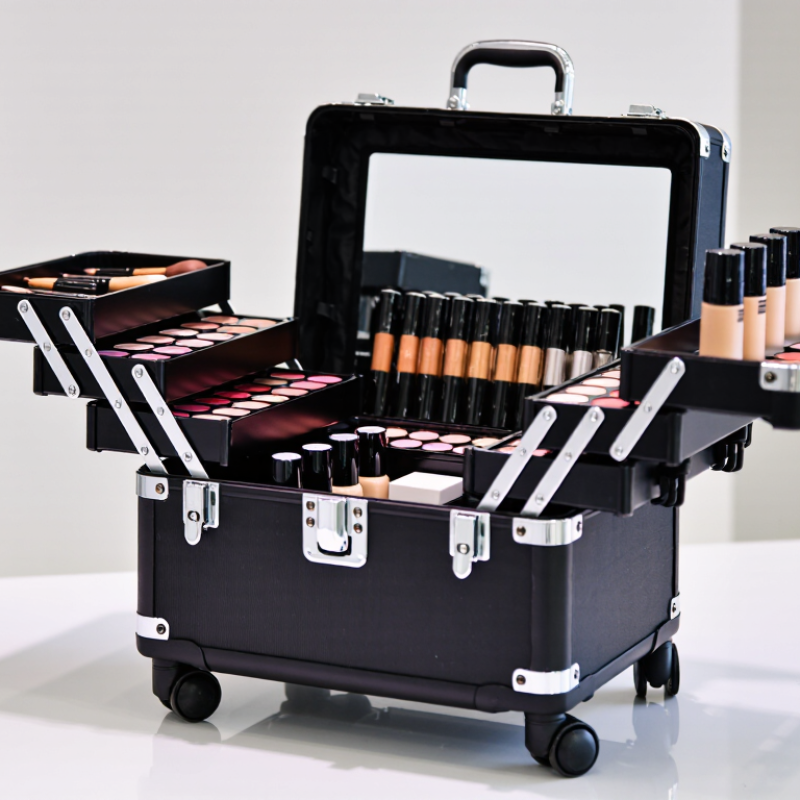
Beauty entrepreneur and makeup artist Bobbi Brown is widely associated with this line: “I believe all women are pretty without makeup, but with the right makeup can be pretty powerful.” Her words focus on the result; a dependable Makeup Suitcase supports the work behind it. Compartments can help separate brushes, palettes, and bottles, while a sturdy handle and smooth wheels matter when equipment travels between appointments. Fit matters, too. A case that looks impressive online may feel bulky in a narrow salon or cramped car.

For a business owner, the choice is practical as well as visual. Consider capacity, cleanable surfaces, secure closures, and how quickly you can find frequently used tools. Check the actual dimensions against your kit. Small details count. A case cannot fix inconsistent service or poor scheduling, and it is easy to expect too much from equipment. Still, the right one can reduce packing friction and help a team work with greater order. The best choice is not always the biggest or most polished; it is the one that suits the way your business really operates. That may take some trial and error.
Why Choose a Makeup Suitcase for Your Business?

Understanding the Makeup Suitcase and Its Business Uses

A makeup suitcase is a portable workstation for makeup artists, trainers, and beauty teams. It keeps palettes, brushes, tools, and hygiene supplies organized between appointments. A hard-sided case can protect pressed powders from knocks, while adjustable dividers separate products by task. At a client’s location, a clear layout also makes it easier to find a shade without unpacking everything. Small details matter: a wipeable lining, secure latches, and a handle that feels comfortable after a long day.

The business case is practical, not glamorous. McKinsey’s 2023 State of Beauty report projected that the global beauty market would reach about $580 billion by 2027, with annual growth near 6 percent. That growth does not guarantee more bookings for an individual artist, but it points to a busy, competitive market where reliable service matters. A well-organized case can help reduce setup time and limit avoidable spills. It also supports a more professional client experience. Not every case is ideal, though. Heavy models can become tiring, and too many compartments may slow packing. Choose capacity around the services you actually provide, then review what stays unused. A little trial and error is normal.

How a Makeup Suitcase Supports Product Storage and Organization

A makeup suitcase gives a working artist or beauty retailer one defined place for products, tools, and small supplies. Instead of loose items shifting in a tote, divided trays can keep palettes, brushes, and stock apart. This makes it easier to notice a missing item before an appointment or a busy sales day. Small things matter.

Adjustable compartments suit changing product ranges, while clear pouches can hold cotton pads, sample sizes, or other small items. Store products with secure lids upright where possible, and keep tools separate from powders and creams. Labels help when several shades look similar. A quick inventory after each workday can also reveal which essentials need replacing.

A sturdy case can reduce bumps during transport, but it cannot prevent every spill or breakage. Capacity matters, too: a suitcase packed to the brim is harder to search and may put pressure on delicate packaging. The layout may take a few tries to get right. Leave a little space for new products, and place frequently used items near the top so they are easy to reach.

Key Features for Selecting a Suitcase for Business Operations

Why Choose a Makeup Suitcase for Your Business?
Key Features for Selecting a Suitcase for Business Operations

A business makeup suitcase should protect tools and make daily work easier. Start with the layout. Adjustable dividers can separate palettes, brushes, and bottles, reducing spills and chipped powder during travel. A wipe-clean lining matters after a foundation leak. It happens.

Check the shell, handle, wheels, and locks as a working system. A rigid exterior can guard delicate items, while reinforced corners handle repeated loading into a car or storage room. Test the telescoping handle with a realistic load; a case that wobbles when empty may feel worse when full. Smooth wheels help on tile, but larger wheels may work better on uneven pavement. There is a trade-off.

Capacity should fit the actual service menu, not an imagined one. Measure taller bottles and leave room for restocking. Compartments that look efficient in a product photo can be awkward when gloved hands need quick access. If staff share the case, choose durable hardware and a layout they can learn quickly. Consider weight, too: extra padding helps, but a heavy case can slow setup. I may be overvaluing sturdy construction here; the best-looking option is not always the easiest to use.

Comparing Makeup Suitcases with Other Product Transport Options

For mobile beauty teams, transport choice affects setup speed, product condition, and how quickly stock can be found. A soft tote is light and inexpensive, but brushes can bend and bottles may press against palettes. A shipping carton works for bulk replenishment, not frequent venue changes; opening, repacking, and tape add friction. Useful, but awkward. A makeup suitcase offers a firmer shell, compartments, and a handle, keeping tools visible and products easier to separate. Removable dividers help fit changing kits, though poorly sized sections can waste space.

The trade-off is weight and cost: a rigid case may be excessive for a small kit or a short trip.

SITA’s 2024 Baggage IT Insights reported 6.9 mishandled bags per 1,000 passengers in 2023. That figure covers airline baggage, not makeup cases, and does not prove one case type prevents loss. Still, it highlights why teams should label cases clearly and keep fragile items secured.

For repeated client visits, compare the case’s empty weight, latch strength, and cleanable interior against the time saved during setup. A suitcase is not automatically better. Test it with a real kit; awkward compartments can slow the very workflow they are meant to improve.

Evaluating Long-Term Value for Professional Makeup Businesses

For a professional makeup business, a suitcase is more than a way to carry products. It can protect tools, keep appointments running smoothly, and reduce the time spent searching for essentials. Look at the details that face daily wear: sturdy corners, secure latches, a comfortable handle, and wheels that roll over uneven pavement. Small things matter.

Long-term value depends on how well the case fits your actual work. Adjustable compartments can separate brushes, palettes, and applicators, while wipeable surfaces make routine cleaning easier. Before buying, estimate how often the case will travel and what it must hold. Compare the purchase price with likely repair or replacement needs, not just the number of compartments. That takes a little effort.

More storage is not always better. An oversized case can become heavy, invite overpacking, and slow down setup in a tight studio. A smaller model may require more careful organization. There is a trade-off. Check whether handles, wheels, and dividers can be maintained or replaced, and inspect seams after regular use. A suitcase will not improve service by itself, but a dependable one can support a calmer, more consistent workflow over time.