Why Choose PU Leather for Your Next Purchase?
PU leather has gained significant popularity in recent years, becoming a preferred choice in many industries. According to a report by Grand View Research, the global PU leather market is expected to reach USD 28.81 billion by 2025, driven by rising demand for eco-friendly alternatives. This synthetic material not only mimics the look and feel of natural leather but also offers durability and ease of maintenance.
Expert in the field, Dr. Emily Johnson, emphasizes the importance of PU leather in modern consumerism. She states, “PU leather serves as a sustainable option that enhances product quality without harming the environment.” This statement reflects a growing awareness among consumers about their purchasing decisions. However, challenges still exist, such as misconceptions about the quality of PU leather compared to genuine leather.
As the demand for stylish yet ethical products rises, PU leather continues to evolve. Many consumers still question its longevity and overall quality. While there are promising advancements, some may need reassurance about its performance. The choice of PU leather isn’t just a trend; it’s part of a larger movement towards sustainability and responsible consumer behavior.
Understanding PU Leather: Definition and Composition
PU leather, also known as polyurethane leather, is a popular alternative to genuine leather. It is made by applying a layer of polyurethane onto a fabric backing, usually made of polyester or cotton. This process gives PU leather its distinctive soft texture and appearance. According to a market research report, the global PU leather market is expected to reach $30 billion by 2027, reflecting its growing popularity.
One key reason many consumers opt for PU leather is its affordability. It allows for the stylish look of leather without the steep price tag. This has made it especially appealing to younger consumers and budget-conscious individuals. A study indicates that 35% of consumers prefer PU leather for budgetary reasons. Despite its advantages, there are criticisms. Some argue that PU leather doesn’t offer the same durability as genuine leather and may wear out more quickly.
Moreover, environmental concerns have been raised about PU leather production. While it is free from the harmful tanning processes used in genuine leather, the production of PU entails petroleum-based products. Statistics show that approximately 60% of PU leather is derived from non-renewable resources. This contradiction leaves consumers pondering the true sustainability of their choices.
The Advantages of PU Leather Over Genuine Leather
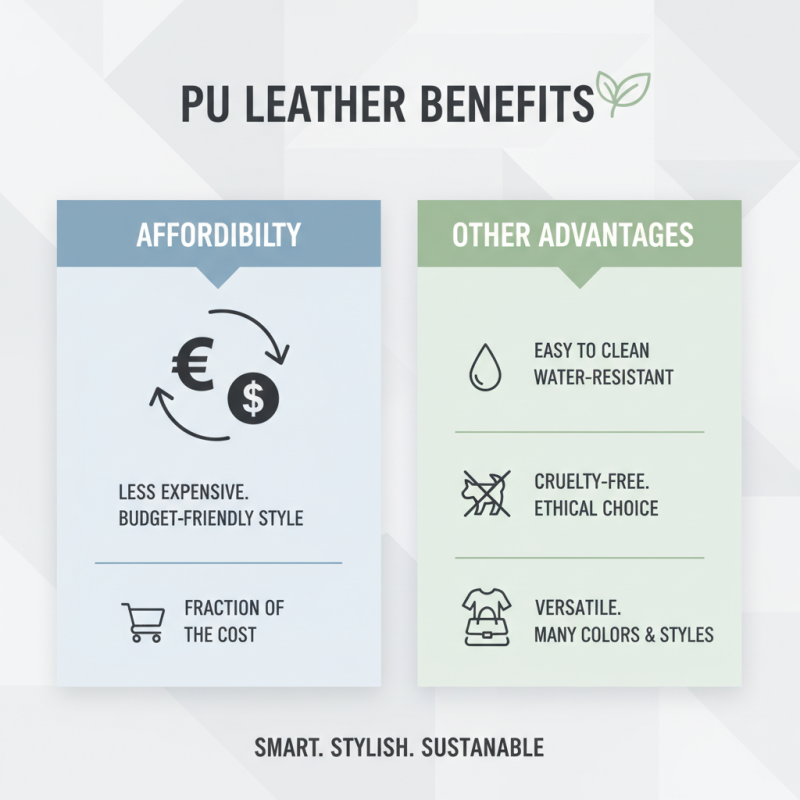
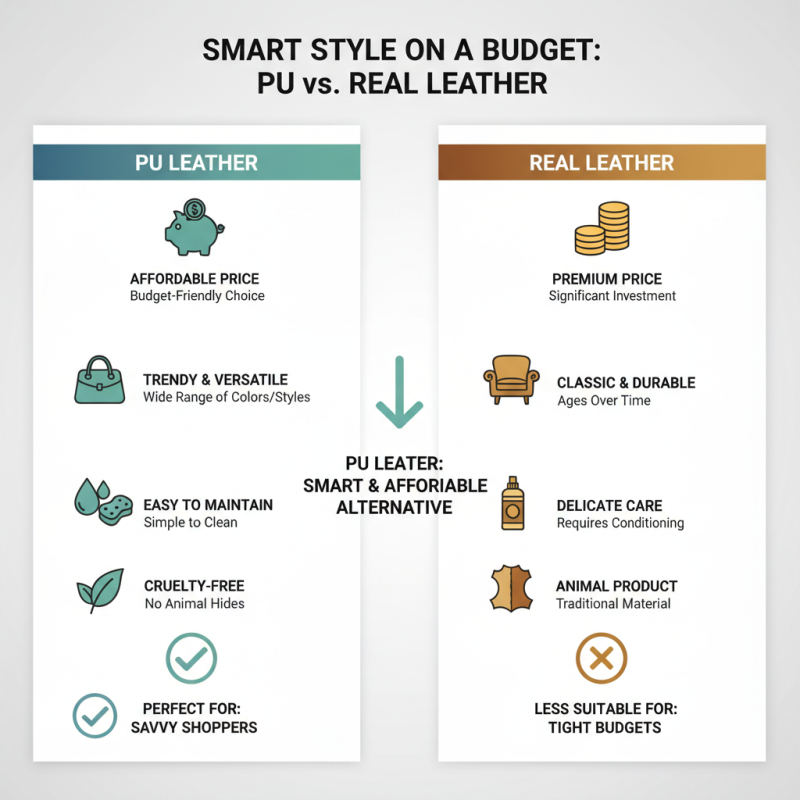
PU leather offers several benefits compared to genuine leather, making it an attractive choice for many consumers. One major advantage is its affordability. PU leather is typically less expensive, allowing for stylish options without breaking the bank. You can find beautiful items made from PU leather that look great at a fraction of the cost.
Another appealing aspect is its variety in textures and colors. PU leather can mimic many finishes, from glossy to matte. This versatility allows for endless design possibilities. Additionally, it is easier to maintain. A simple wipe with a damp cloth is often enough to keep it looking fresh. Genuine leather requires more care and can be prone to scratches.
However, it’s worth reflecting on sustainability. While PU leather avoids the ethical concerns of animal products, its production does use synthetic materials. This raises questions about long-term environmental impact. Many consumers might overlook this aspect, focusing solely on cost or style. Acknowledging these points can lead to more informed choices.
Durability and Maintenance: What to Expect from PU Leather
PU leather is gaining popularity due to its durability and easy maintenance. When you choose PU leather, you can expect a product that withstands daily wear and tear. Its surface is resistant to stains and spills, making it practical for busy lifestyles. Cleaning it is simple; a damp cloth usually does the trick.
However, there are some things to consider. Over time, PU leather may show signs of wear. Cracking and fading can occur with constant exposure to sunlight. Regular cleaning helps prevent these issues, but neglect can lead to visible damage.
**Tips:**
- Store away from direct sunlight to minimize fading.
- Clean with a mild soap solution for better longevity.
- Avoid sharp objects that may scratch the surface.
Being proactive can preserve the look and feel of PU leather. This choice combines style with practicality, especially if maintained well.
Why Choose PU Leather for Your Next Purchase? - Durability and Maintenance: What to Expect from PU Leather
| Feature |
Details |
| Durability |
PU leather is known for its high durability, often lasting for several years with proper care. |
| Maintenance |
It requires minimal maintenance; regular dusting and occasional cleaning are usually enough. |
| Water Resistance |
PU leather is generally water-resistant, making it suitable for various conditions. |
| Cost-Effective |
Typically more affordable than genuine leather while providing a similar aesthetic. |
| Variety of Styles |
Available in numerous colors and textures, making it versatile for different designs. |
| Environmental Impact |
Generally considered more eco-friendly than traditional leather, as it involves fewer resources. |
Eco-Friendliness of PU Leather: A Sustainable Choice
PU leather, or polyurethane leather,
stands out as an eco-friendly option in a world facing mounting environmental challenges.
A study by the European Commission highlights that synthetic leathers can significantly reduce
waste compared to traditional leather production. This innovation utilizes far fewer natural resources.
For instance, producing PU leather leads to 80% less water usage
than animal leather.
While many tout PU leather's aesthetic appeal, its sustainability is equally compelling.
Unlike animal leather, PU leather doesn't rely on harmful chemicals used in tanning.
Yet, it's important to note that PU leather is still a synthetic material, which means
its biodegradability is limited. Awareness of the production process can lead to better choices.
Tips: When considering a purchase, investigate the material's origin.
Seek brands that prioritize sustainable practices in their production. Look for certifications that
guarantee eco-friendly standards. Remember, quality often outweighs price
when it comes to sustainable options.
Cost-Effectiveness: Why PU Leather Fits Your Budget Better
PU leather is an appealing choice for budget-conscious shoppers. It offers a stylish alternative to genuine leather without the hefty price tag. Many people are surprised to learn how affordable PU leather can be. This can make it easier to furnish a space or update a wardrobe with trendy items.
Its versatility also shines in various applications. From handbags to furniture, PU leather can fit any need. However, some may worry about durability. While it might not be as long-lasting as real leather, careful care can extend its lifespan. The ease of cleaning PU leather can be an attractive perk. Just a quick wipe is often all it needs.
Choosing PU leather can spark a thoughtful debate. It raises questions on environmental impact versus cost. Even if PU leather is synthetic, it might be a more sustainable option than traditional leather in some cases. Finding balance between style, affordability, and ethics can be complex but rewarding. These reflections make the choice more meaningful.