
Blog

blog

Blog

blog

Blog

blog

2026 Top Leather Material Types for Global Buyers

Choosing the right leather material in 2026 will require more than comparing color, grain, and price. Global buyers must examine performance, origin, processing methods, and long-term supply reliability. A soft cowhide may suit luxury bags, while firm vegetable-tanned leather can perform better in belts, wallets, and structured accessories. Sheepskin offers a lighter hand, but it may need careful handling in high-wear products. Exotic-looking finishes can attract attention, yet surface appearance does not always reveal material strength.

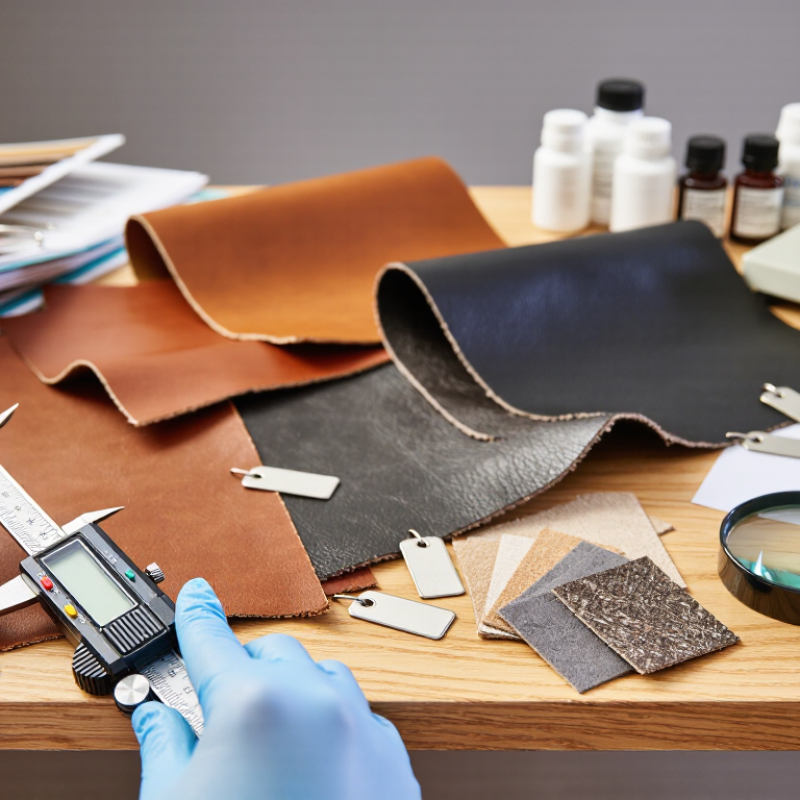
This guide introduces the leading leather material types for international purchasing decisions. It considers full-grain, top-grain, corrected-grain, split leather, suede, nubuck, vegetable-tanned, chrome-free, and recycled leather options. Each type has different advantages, limitations, and testing needs. Buyers should request thickness measurements, colorfastness results, abrasion data, and clear traceability records before approval. Supplier audits also matter. A polished sample can hide uneven dyeing, weak edges, or inconsistent batches.

Real sourcing is rarely perfect.

Some environmental claims remain difficult to verify. Certification helps, but it does not replace practical inspection and supplier communication. My preference may lean toward durable, traceable materials, yet product design and target market can change the final choice. A responsible comparison should leave room for uncertainty. The following outline helps buyers balance appearance, function, cost, compliance expectations, and customer trust when selecting materials for 2026 collections.
2026 Top Leather Material Types for Global Buyers

How Leather Materials Are Classified in the Global Market

2026 Top Leather Material Types for Global Buyers

Global leather classification starts with animal source, hide layer, tanning method, and surface treatment. Cattle leather is common for furniture, footwear, and bags because it offers broad thickness options. Sheep and goat leather usually feel softer and lighter. Exotic sources require stricter documentation and careful legal review.

Hide structure creates another important category. Full-grain leather keeps the original grain and natural marks. Top-grain leather has a lightly corrected surface, often with more uniform color. Split leather comes from lower hide layers and may receive coatings or embossed patterns. Suede uses a napped surface, producing a soft touch but greater sensitivity to moisture. Bonded materials contain leather fibers combined with other substances, so buyers should inspect the declared composition.

Tanning further separates materials. Chrome tanning often supports consistent color and flexible production. Vegetable tanning can develop deeper color changes over time, though results vary with processing. Semi-aniline and pigmented finishes provide different balances between natural appearance and stain resistance. Labels can mislead. Classification terms are not applied identically in every market, and translation can remove important details. Check the cut edge. Feel the surface. Request thickness, finish, fiber content, tanning information, and testing records before comparing prices. A sample may look excellent under showroom lights but reveal weak coating adhesion after bending. I would not treat one attractive swatch as reliable evidence. Material grading still needs context, especially when climate, end use, and maintenance expectations differ.

Key Leather Types Available to Buyers in 2026

Key Leather Types Available to Buyers in 2026

Buyers can choose from several leather types, each suited to different products and budgets. Full-grain leather keeps the hide’s natural surface, including small marks and texture. It often develops a richer patina with use, but its visible variation may not suit every design. Top-grain leather has a lightly corrected surface and a more consistent appearance. It can work well for furniture, bags, and accessories that need a cleaner finish.

Split leather comes from lower layers of the hide and is often finished with a coating or embossed texture. It can offer a lower-cost option, though its performance depends heavily on finishing and construction. Suede has a soft, napped surface that feels warm to the touch, but it can show stains more readily. Buyers may also encounter bonded leather, made with leather fibers and other materials. Its composition and durability can vary, so the label alone tells only part of the story.

Tips: Ask for a sample, not just a photograph. Check the reverse side, thickness, finish, and smell, then compare these details with the supplier’s specification. Rub the surface gently with a clean cloth to see whether color transfers. No sample can predict every outcome; production batches may still differ. That uncertainty deserves attention. Request clear details about the hide type, coating, and care requirements before placing an order.

How Leather Types Differ in Quality, Durability, and Cost

2026 Top Leather Material Types for Global Buyers

Leather quality depends on the hide’s structure, surface treatment, and finishing method. Full-grain leather keeps the natural grain, so it usually offers strong fibers and better aging. Small scars may remain. That is not automatically a defect. Top-grain leather is lightly corrected, giving a smoother appearance and more consistent color. It often costs less than full-grain leather, while maintaining good durability for furniture, bags, and footwear.

Corrected-grain leather receives heavier surface treatment. It can resist stains and look uniform, but deep scratches may expose the treated layer. Split leather comes from lower hide layers and normally costs less. Its performance depends heavily on thickness, coating, and backing materials. Bonded leather is more affordable, yet its surface may crack or peel sooner under heat, friction, or repeated bending. The price difference can be visible after months, not days.

Buyers should compare thickness, tear strength, abrasion results, finish adhesion, and odor before placing large orders. Requesting samples helps reveal stiffness, loose fibers, and uneven dye absorption. A simple fold test can show whether the finish breaks quickly. However, one sample cannot represent every shipment. That is a common purchasing mistake. Tanning quality, storage humidity, and production consistency can change the final result. A cheaper material may work well for decorative panels, but fail on high-contact seating. Quality is not only the leather grade; it is the match between material, use, and expected service life.

Sourcing, Sustainability, and Compliance Considerations

For global buyers, leather sourcing begins well before a hide reaches the tannery. FAO’s 2013 report, Tackling Climate Change Through Livestock, estimates livestock supply chains contribute 14.5% of human-induced greenhouse gas emissions. This is not a leather-only figure, but it puts animal origin and farm-level traceability in context. Ask suppliers to document country of origin, slaughterhouse links, and tannery locations. A neat certificate is not the same as a complete chain of custody. Check its scope and expiry date.

Material choice changes the questions. Full-grain leather can retain natural marks, while corrected-grain surfaces may use coatings that affect repair and end-of-life options. For each lot, request test results for restricted substances, coating composition, and physical performance. The ZDHC Manufacturing Restricted Substances List offers a useful chemical-screening reference; it does not replace applicable market requirements. Small details matter: a damp sample, a sharp chemical odor, or uneven dye transfer deserves investigation, not reassurance.

Environmental claims need evidence. The European Commission’s Product Environmental Footprint method emphasizes consistent lifecycle assessment, including defined boundaries and data quality. Compare suppliers using the same assumptions, such as hide allocation and tannery energy sources. Ask for wastewater treatment records and dated audit findings, not only a sustainability brochure. Data can still be incomplete, especially upstream. Say so plainly. That honesty is more useful than a polished claim.

Choosing Leather Materials for Products and Target Markets

2026 Top Leather Material Types for Global Buyers

Choosing Leather Materials for Products and Target Markets

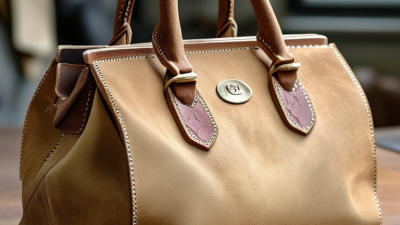
In 2026, leather selection should begin with the product, not a trend chart. A work boot needs thick full-grain leather, firm fibers, and abrasion resistance. A soft handbag may need corrected-grain or split leather with a smooth finish. For gloves, supple goatskin or lambskin can improve touch and movement. Material choice also depends on climate, price, and expected service life. That sounds obvious.

Global buyers should test samples in conditions close to their target markets. Humid regions can expose weak finishing, odor, or poor moisture management. Dry climates may reveal cracking when leather lacks suitable oils. Vegetable-tanned leather develops visible character, but its color can change over time. Chrome-tanned leather usually offers consistent color and efficient production. However, finishing quality still varies. Recycled leather may reduce waste, although its fiber content and durability require verification. Ask for thickness, tensile strength, abrasion results, and coating details. Paper claims are not enough.

Product positioning also guides the decision. Premium small goods may benefit from traceable hides and natural grain variation. Entry-level products may require corrected surfaces for stable appearance and lower cost. For children’s items or close-contact goods, review chemical testing and restricted-substance documentation. A sample can mislead. Attractive leather may fail after repeated bending or exposure to moisture. A small pilot order, followed by wear testing, often reveals more than a polished sample. No material is perfect.

2026 Top Leather Material Types for Global Buyers — Choosing Leather Materials for Products and Target Markets
Material type Typical construction or finish Key characteristics Common product applications Market and use-case fit Buyer checks
Full-grain leather Uses the outer grain layer with its natural surface largely intact; may be finished lightly or left relatively natural. Visible natural grain and markings; develops a patina with use. Quality and appearance vary with the hide and finishing. Premium footwear, bags, belts, small leather goods, and selected upholstery. Suitable for products where natural character, durability, and long-term appearance are valued. Review hide selection, thickness, surface consistency, colorfastness, and samples from multiple production lots.
Top-grain leather The grain layer is retained but may be lightly corrected, sanded, pigmented, or otherwise finished. Often offers a more uniform appearance than minimally finished full-grain leather; performance depends on the finish and base hide. Handbags, wallets, footwear, furniture, and automotive interiors. Useful when buyers need a balance of natural leather character and controlled appearance. Specify whether the surface is corrected or pigmented, and test abrasion, flexing, color transfer, and finish adhesion as relevant.
Corrected-grain leather The grain surface is mechanically corrected and typically embossed or coated to create a more even finish. Can provide consistent color and texture; heavier coatings may reduce the visibility of natural grain and affect feel or breathability. Fashion accessories, footwear, commercial upholstery, and products requiring a consistent surface. Often considered for larger production runs where repeatable appearance is important. Check coating durability, embossing consistency, flexibility, odor, and applicable chemical and safety requirements.
Split leather Made from the lower layer of a hide after the grain layer is separated; it may be left as suede or given an artificial grain coating. Generally differs from grain-layer leather in structure and surface; strength, feel, and durability depend on thickness and treatment. Footwear linings, casual shoes, gloves, and coated leather goods. Can suit applications with defined performance and cost requirements when the split construction is clearly disclosed. Confirm the leather layer, thickness, coating or finish, tensile and tear performance, and whether the product is coated split leather.
Nubuck Grain-side leather lightly buffed to create a fine, short nap. Soft, velvety surface; can show marks and may be more vulnerable to water and staining unless appropriately treated. Casual footwear, boots, bags, and selected upholstery. Well suited to designs that benefit from a matte, tactile surface and where care guidance can be provided. Test color transfer, water spotting, stain resistance, nap uniformity, and cleaning instructions.
Suede Napped surface commonly produced from the flesh side or split layer of leather; construction varies by specification. Soft, textured feel and matte appearance; the nap may shade or mark during handling and use. Shoes, jackets, gloves, bags, and garment details. Appropriate for fashion-led products where a soft surface is desired and maintenance expectations are clear. State whether it is grain-side suede or split suede; assess nap, color consistency, shedding, and rub-fastness.
Aniline leather Dyed primarily with soluble dyes, with little or no opaque surface pigment. Retains a natural-looking surface and hide markings; appearance can vary, and the surface may be more susceptible to staining and fading. Premium bags, furniture, and other products where natural variation is part of the design. Best for buyers whose customers accept natural marks and are prepared to follow care guidance. Review shade variation limits and test light exposure, water spotting, and color transfer for the intended use.
Semi-aniline leather Dyed leather with a light pigment or protective surface coating. Combines visible grain character with more surface protection and shade consistency than many aniline finishes. Furniture, bags, footwear, and premium interior products. A practical option when buyers want a natural appearance with some added protection. Confirm coating level and test abrasion, colorfastness, stain resistance, and feel against the product specification.
Vegetable-tanned leather Tanned using vegetable-derived tannins; the term describes the tanning method, not a single grade or finish. Often develops color and patina with use; tanning time, hide selection, and finishing affect the final properties. Belts, structured bags, wallets, saddlery, and craft products. Suitable for products designed to age visibly and for buyers seeking a specified tanning process. Verify the tanning claim and test flexibility, water response, color transfer, and performance for the product’s end use.
Chrome-tanned leather Tanned using chromium salts; it may be finished in many ways, including aniline, semi-aniline, or pigmented finishes. A widely used tanning route with properties that vary by recipe and finishing; the tanning method alone does not determine quality. Footwear, apparel, bags, upholstery, and automotive applications. Can serve a broad range of markets when the leather is matched to the product’s performance and compliance needs. Request relevant chemical compliance documentation and test for the intended market and end use; do not infer performance from tanning method alone.
Buyer note: These categories can overlap: grain structure, tanning method, and surface finish describe different aspects of leather. Confirm the exact construction, finish, thickness, color, testing criteria, and regulatory requirements in the purchase specification. Performance varies by supplier, hide, processing, and intended use.